Recruitment scams in Jammu and Kashmir prey on job-seeking youth
Rising Kashmir reports that fake hiring networks are exploiting young people chasing scarce government and private jobs, turning employment hopes into a regional social and economic wound.
In this piece
A Rising Kashmir report describes recruitment scams targeting a generation of job-seekers in Jammu and Kashmir. With official details limited in the public…
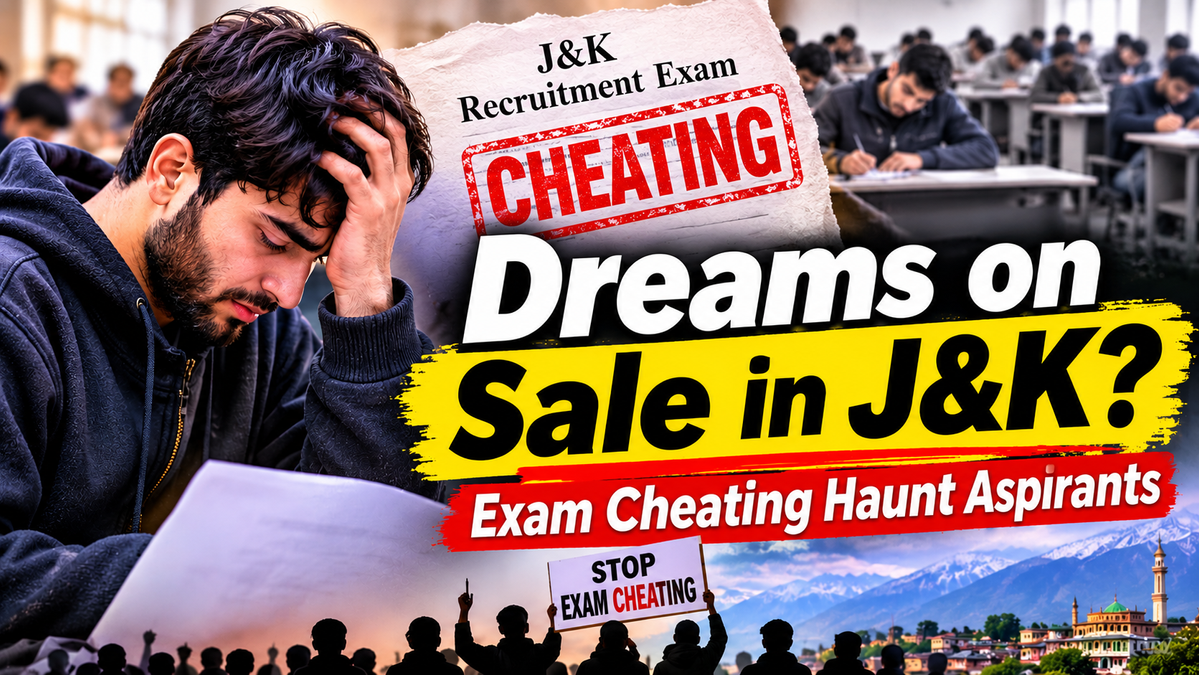
Recruitment scams are betraying young job-seekers in Jammu and Kashmir, according to a Rising Kashmir report that frames the problem as a generation-wide betrayal of employment dreams. The newspaper’s account, circulated via Google News, presents fake or opaque hiring as a live social crisis rather than isolated fraud.
Public summaries of the article do not list named defendants, court outcomes, or verified victim counts. What is clear from the published framing is that the alleged schemes sit at the junction of high unemployment pressure, prestige attached to secure posts, and a market of middlemen who claim they can “arrange” selection.
In many Indian states and union territories, job-seekers have long paid consultants, coaching centres or purported insiders for exam leaks, interview influence or guaranteed appointment letters. Rising Kashmir’s title — “Dreams on Sale” — places Jammu and Kashmir inside that pattern, arguing that the trade in hope is especially damaging where public-sector jobs remain a primary path to stability.
The report’s available headline and dek do not specify whether the scams involve central or local government recruitment, police or teaching cadres, private-sector placements, overseas work, or a mix. Readers should treat those details as unconfirmed until the full Rising Kashmir text or official statements name the channels involved.
Why the story matters is less about any single racket than about how repeated fraud can hollow out trust in legitimate exams and notifications. Families that liquidate savings, take loans, or delay other plans on the strength of a promised vacancy can lose both money and years of preparation if the offer was never real.
Youth unemployment and underemployment have been persistent political themes in Jammu and Kashmir. When hiring is slow or highly competitive, the gap between aspiration and openings is fertile ground for anyone selling shortcuts. The newspaper’s argument is that an entire cohort, not only a handful of victims, is being asked to treat employment as a commodity that can be purchased.
Law-enforcement and administrative responses are not detailed in the Google News snippet. Typically in such cases, police register cheating or fraud complaints, exam bodies cancel tainted processes, and governments warn applicants never to pay unofficial fees. Whether those steps are under way here is not established by the material at hand.
Independent verification of scale is also pending. Without published figures on complaints, recoveries or convictions, the Rising Kashmir piece should be read as an editorialised news feature on a known risk, not as a statistical census of crime.
What happens next depends on documentation. Full reporting, FIRs if any, and statements from recruiting agencies or the administration would clarify how the alleged networks operate, who is accused, and what redress exists for people who already paid.
Until those facts are on the record, job-seekers in the region are left with the caution the story itself implies: treat unsolicited guarantees, cash demands outside official portals, and claims of insider influence as red flags, and rely only on notified, fee-transparent recruitment channels.
Primary source: Google News Jammu and Kashmir. Newzly rewrites and structures source reporting for clarity; verify critical details at the original.