Report claims residential proxies detected on White House network
A Layer3Intel headline alleges residential proxy activity on the White House network, but the supplied material contains no technical evidence establishing the finding, its scope or its cause.
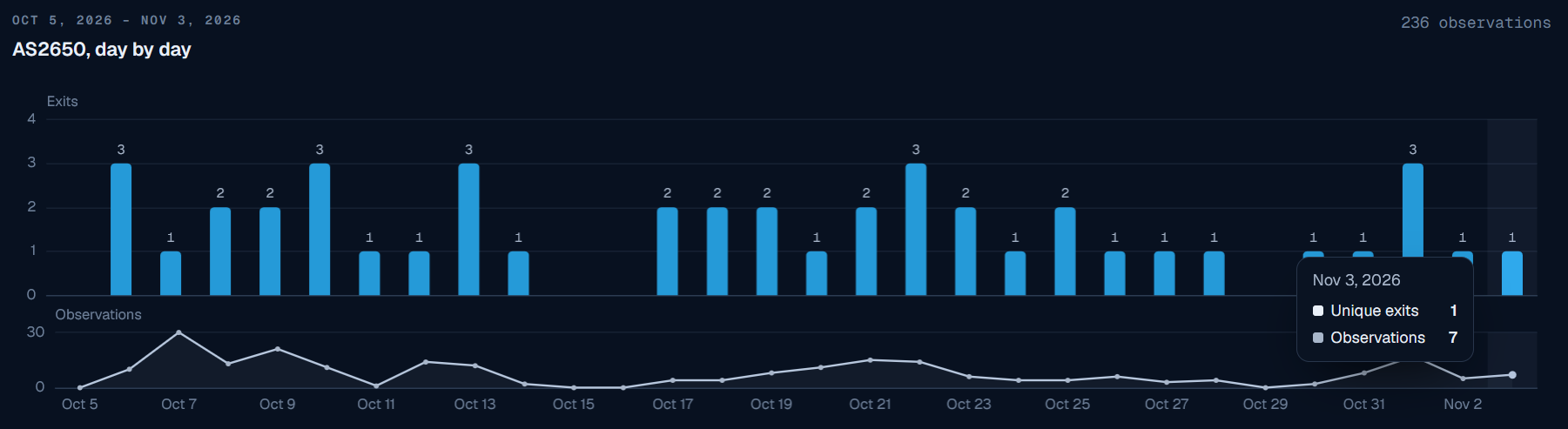
A Layer3Intel article claims residential proxies were detected on the White House network, raising questions about the basis for that attribution and whether the alleged activity represents a security issue. The material supplied for this report includes the article’s headline and link, but not its technical findings or supporting evidence.
The article was shared on Hacker News, where the supplied listing recorded 401 points and 111 comments. Those figures indicate attention on the discussion platform, but they do not independently corroborate the headline or establish that commenters verified the underlying claim.
Residential proxies generally route internet traffic through connections associated with residential internet service rather than conventional data-center infrastructure. Their presence in a network-related finding requires careful interpretation: identifying a proxy-associated address is not, by itself, the same as proving that an organization’s internal equipment has been compromised.
The wording of the headline leaves that distinction unresolved in the available material. Without the article’s methodology, it is not possible to determine whether the claim concerns a device allegedly operating as a proxy, traffic involving an outside proxy service, or some other relationship between network infrastructure and proxy activity.
Attribution is particularly important because the headline names the White House network rather than describing an unidentified collection of internet addresses. An assessment would need to explain how the relevant infrastructure was linked to that network and what limits apply to the attribution; the supplied excerpt provides no such explanation.
The available material also does not identify when the alleged activity occurred, how long it lasted or whether it remains ongoing. It contains no evidence establishing unauthorized access, exposure of information or disruption, so none of those outcomes can be inferred from the headline alone.
The potential significance depends on those missing details, not simply on the use of the term residential proxy. Evidence that an internal device was relaying unauthorized traffic would support a different assessment from evidence that a network communicated with an external address associated with a proxy service; the supplied material does not establish either scenario.
Further assessment therefore rests on examination of Layer3Intel’s underlying evidence and any response from the organization named in the headline. No White House response or independent technical corroboration is included in the supplied material, leaving the claim’s accuracy, scope and operational consequences unresolved rather than establishing a confirmed breach.
Primary source: Hacker News. Newzly rewrites and structures source reporting for clarity; verify critical details at the original.