Rhode Island fans recall record-setting Beach Boys concert after Mike Love’s death
WJAR says fans are looking back at a Beach Boys concert in Rhode Island described as record-setting, following the death of longtime member Mike Love. The short report does not specify the show’s date, venue, or mark.
In this piece
A WJAR report says Rhode Island fans are remembering a Beach Boys concert they regard as record-setting after Mike Love’s death. The available item does not…
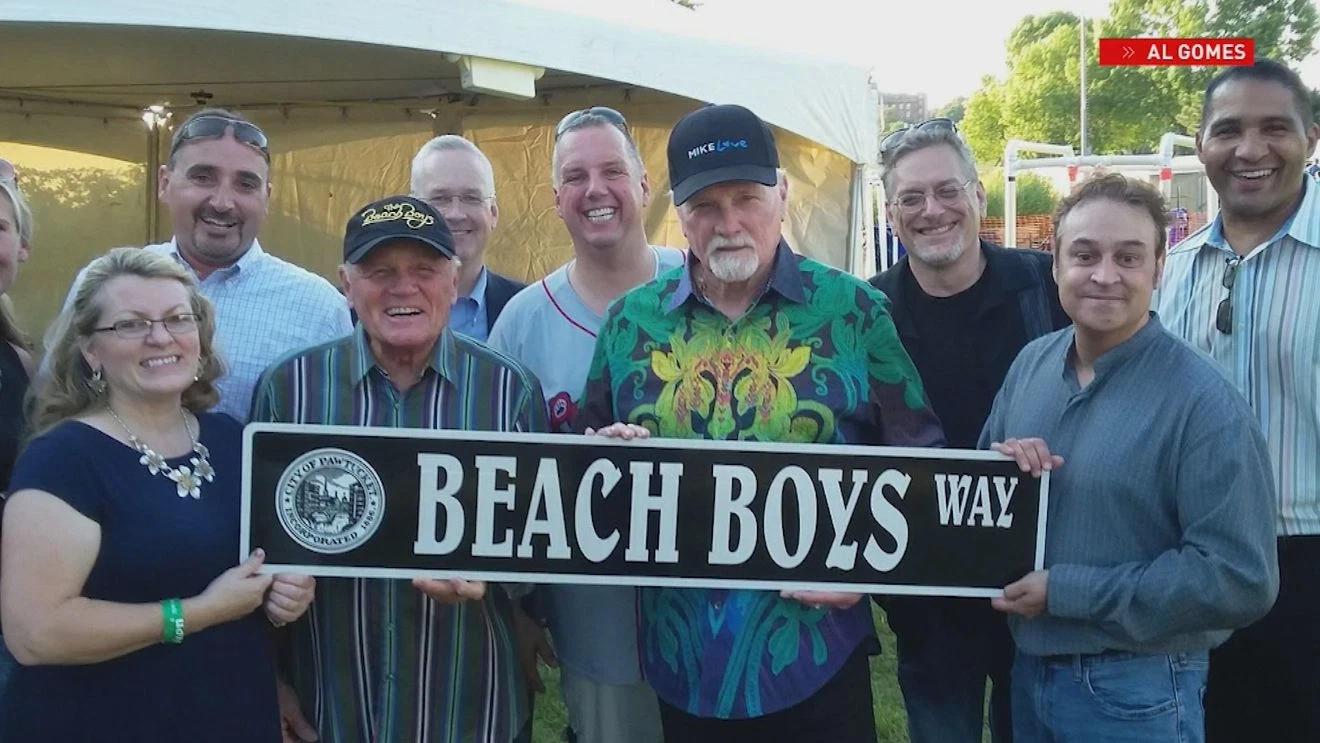
Fans in Rhode Island are remembering a Beach Boys concert locally described as record-setting after the death of Mike Love, according to a WJAR report circulated on Google News. The station frames the moment as one of recollection: people tying Love’s death to a night when the band left a lasting mark in the state.
The item available for this account is brief. It names Love, the Beach Boys, Rhode Island, and a concert remembered as record-setting, and it identifies WJAR as the outlet. It does not include a date for the show, a venue, a crowd figure, or a description of the record itself.
Love was a central, long-running voice of the Beach Boys, the California group whose harmonies became a fixture of American pop. Public memory of the band often runs through its early hits and through decades of touring under the Beach Boys name. This report does not add new biographical detail about Love, and it does not state when or where he died, or a cause of death.
Because those facts are absent from the source item, they should not be treated as established here. What the station is reporting is the local response: fans using a Rhode Island concert as the story they tell when they talk about him.
“Record-setting” can cover several kinds of claims in live music. It may refer to attendance, a box-office figure, a venue milestone, or a mark that mattered mainly inside one market. WJAR’s headline uses the phrase without defining it. Until a fuller account names the night and the comparison, the nature of the record stays unspecified.
That gap matters for how the memory is read. A claim repeated by fans can be sincere and still differ from a figure documented at the time by a promoter, a venue, or a contemporary news story. Regional television often gathers those memories first, then leaves verification to a longer report.
Rhode Island’s size gives a large touring stop extra weight in local retelling. In a small state, one unusually big night can stand in for a band’s whole relationship with the place. People who saw the Beach Boys on different tours may be recalling different lineups and different decades while using the same concert story.
The Beach Boys’ catalogue is widely known beyond any single show: songs that have remained on radio, in films, and on playlists for generations. A death tends to send listeners back to that catalogue. Nothing in the WJAR item describes a new release, a tribute concert, or an official statement from the group or from Love’s family.
What happens next, on the evidence available, is mostly further recollection. Stations may collect photographs, ticket stubs, and on-air memories. Those contributions can sketch how the concert felt. They do not, by themselves, confirm a record.
Confirming the mark would require the date, the venue, and a contemporary account of the figure being claimed. None of that appears in the short item. National obituaries, where they exist, typically assemble confirmed biography and comments from people close to the musician; this source does not reproduce that material.
For now, the reported news is narrow and local. WJAR says Rhode Island fans are marking Mike Love’s death by remembering a Beach Boys concert they call record-setting. The songs remain the part of the story listeners can return to without waiting on the missing details of that night.
Primary source: Google News Rhode Island. Newzly rewrites and structures source reporting for clarity; verify critical details at the original.