Rising Toy and Travel Costs Force Americans to Scale Back Holiday Plans
Higher costs for food, travel, and toys are prompting American households to trim holiday budgets this season, as broader inflation and energy market shocks squeeze family finances.
In this piece
American consumers are scaling back their holiday spending in 2026 amid rising prices for food, travel, and toys. Lingering inflation and global energy shocks…
American households are confronting widespread cost increases across holiday essentials this season, as elevated prices for food, travel, and gifts force families to rethink their traditional year-end plans. With toy prices also climbing alongside standard seasonal expenses, consumers are adopting more cautious shopping habits heading into peak holiday periods. The shifting behavior underscores how cumulative living costs are testing consumer resilience.
The financial squeeze reflects a compounding set of pressures facing domestic shoppers in late 2026. Higher price tags at store registers are colliding with persistent household budget constraints, leaving significantly less discretionary room for seasonal celebrations. Many families are finding that everyday expenses have left limited cushion for discretionary holiday outlays.
A substantial driver behind the recent surge in retail and transportation expenses stems from ongoing volatility in global energy markets. Geopolitical tensions and conflict involving Iran have triggered energy price shocks that continue to reverberate across the wider economy. These elevated fuel and crude costs inevitably cascade through freight networks, driving up the expense of transporting finished goods to store shelves.
Holiday travel plans are bearing a direct brunt of these dynamics as airline tickets, gasoline, and lodging costs adjust to higher underlying operating expenditures. At the same time, the cost of hosting seasonal meals remains elevated, forcing shoppers to re-evaluate grocery spending for major family gatherings. As a result, many travelers are choosing shorter trips or staying closer to home.
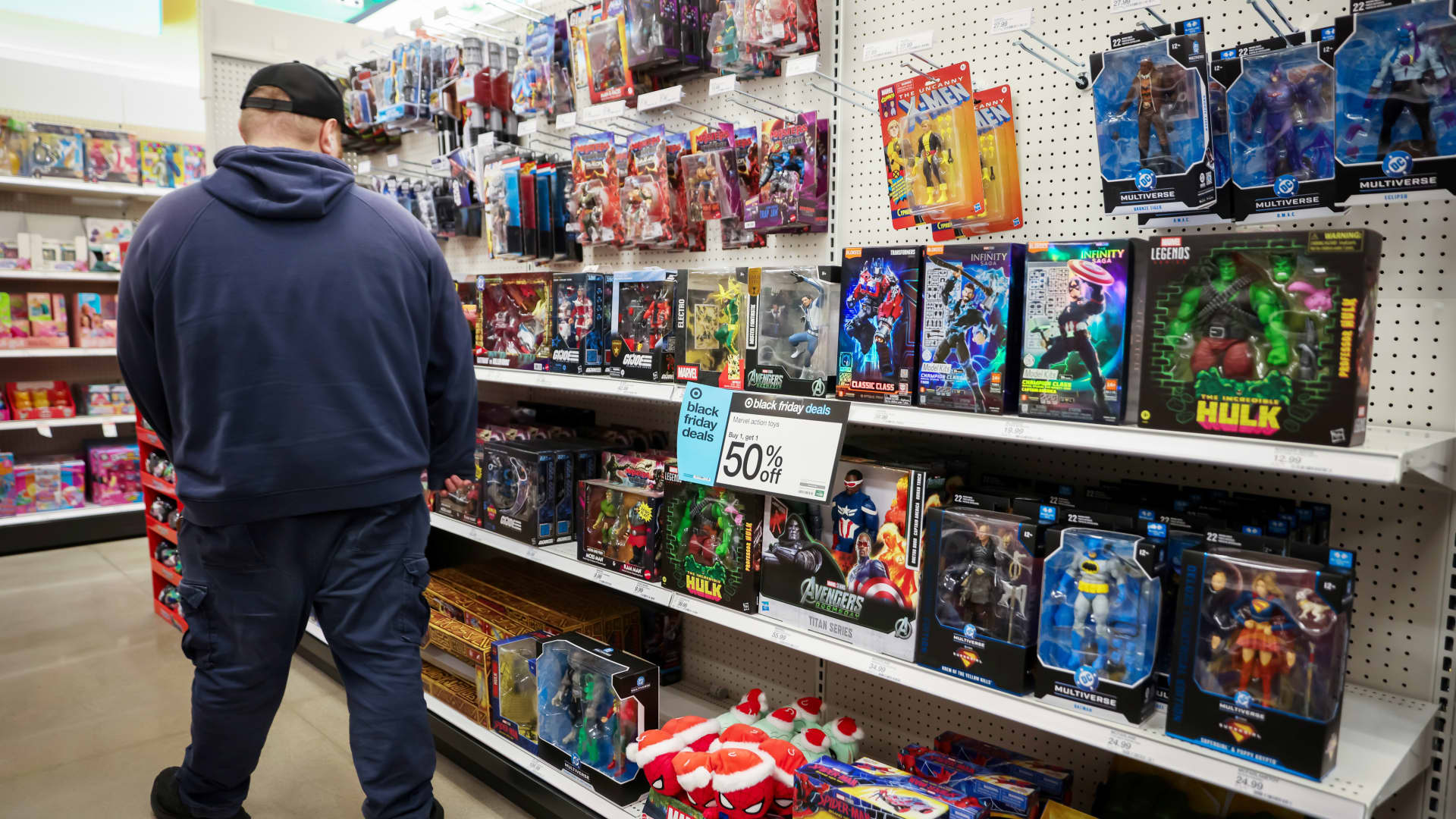
Gift budgets are experiencing similar strain as manufacturers and merchants manage higher production and logistics costs. Even the toy sector, historically sheltered by parents seeking to protect holiday traditions for children, has seen price tags rise across popular categories. Consequently, parents and gift-givers are prioritizing essential purchases and trimming overall wish lists.
To navigate these challenges, consumers are altering their purchasing routines well ahead of major retail promotional dates. Rather than completing their shopping during short, concentrated bursts, many individuals are spacing out purchases over multiple months or substituting premium items with value alternatives. Shoppers are also demonstrating a greater willingness to compare prices across competing digital and brick-and-mortar storefronts.
For the retail sector, this prevailing caution introduces considerable uncertainty during what is traditionally the most lucrative quarter of the calendar year. Department stores, specialty outlets, and e-commerce platforms must strike a delicate balance between preserving profit margins and offering compelling discounts to tempt reluctant buyers. Without meaningful value propositions, merchants risk seeing inventory linger on shelves into the new year.
The holiday shopping period serves as a critical indicator for the overall momentum of domestic consumer spending, which forms the backbone of economic growth. When households pull back on discretionary expenditures in response to geopolitical and inflationary shocks, the ripple effects can be felt across supply chains, logistics providers, and hospitality sectors. Persistent spending hesitation highlights the degree to which broader economic uncertainties are influencing everyday family decisions.
Looking ahead to the remainder of the holiday season, the pace of sales will likely depend on how aggressively retailers discount merchandise and whether energy prices stabilize. Analysts anticipate that value-focused retail strategies will dominate the weeks leading up to the new year as households maintain defensive budgets. Until broader inflationary pressures recede, moderation and careful financial planning are set to define the 2026 holiday landscape.
Primary source: CNBC Top News. Newzly rewrites and structures source reporting for clarity; verify critical details at the original.