Ru-Soam highlights Lepcha engineering heritage in North Sikkim
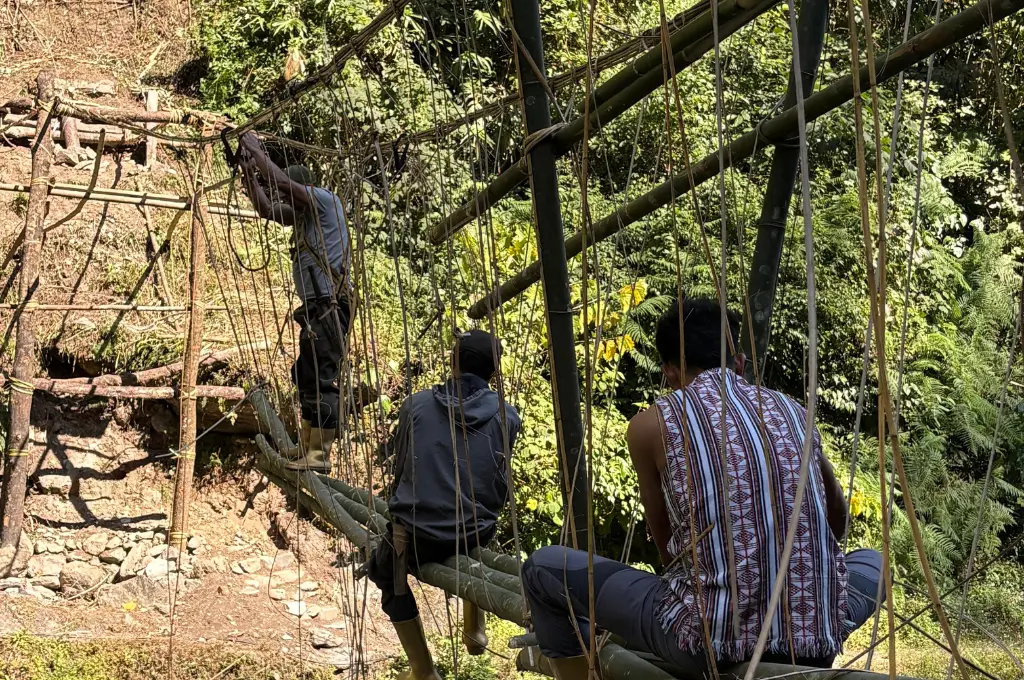
An India Development Review feature spotlights Ru-Soam, describing it as an engineering marvel of the Lepcha people in North Sikkim. The available excerpt offers no construction details or information about its present condition.
In this piece
India Development Review has highlighted Ru-Soam as an example of Lepcha engineering in North Sikkim. The supplied news listing identifies the subject and…
Ru-Soam, identified by India Development Review as an engineering marvel of the Lepcha people in North Sikkim, is the subject of a feature drawing attention to the community’s engineering heritage. The available news listing provides the headline and publication name, but not the reporting behind that description.
The headline places Lepcha knowledge at the centre of the story, associating a named engineering work with the people responsible for it. However, the supplied excerpt does not explain what Ru-Soam is, how it functions or which features underpin the publication’s assessment of its engineering significance.
That distinction matters when interpreting the description “engineering marvel.” It is the publication’s characterisation, rather than a technical conclusion independently established by the material available here. Without the full account, there is no basis to describe Ru-Soam’s materials, dimensions, construction methods or performance, or to compare it with other engineering works.
The feature’s framing nevertheless opens a broader question about how community engineering is documented and recognised. An account centred on the Lepcha people can examine not only a finished work but also the knowledge behind it. Whether the original article explores those connections cannot be determined from the listing alone.
Understanding the engineering would require an explanation of the problem Ru-Soam was designed to address and the choices made by its builders. Details about its setting, maintenance and use would also help readers assess its significance. None of those particulars appears in the supplied material, so they should not be assumed.
The same caution applies to its history and present condition. The listing gives no construction date, identifies no individual builders or custodians, and provides no account of repairs or continued use. It therefore does not establish whether Ru-Soam is an active work, a surviving historical example or the subject of a preservation effort.
For readers interested in cultural heritage, the headline’s central emphasis is the association between engineering achievement and a named community. A fuller account could clarify how that association is understood by Lepcha people themselves. The excerpt, however, includes no community testimony, interviews or quotations that would allow those perspectives to be represented directly.
The immediate next step for a fuller understanding is access to the original India Development Review feature and its supporting reporting. Until then, the supported takeaway remains limited but clear: the publication has spotlighted Ru-Soam in North Sikkim as a Lepcha engineering achievement. Any more detailed account of its origins, operation or future would require additional source material.
Primary source: Google News Sikkim. Newzly rewrites and structures source reporting for clarity; verify critical details at the original.