Rubio Urges Cubans to Seize Opportunity for Political Change
U.S. Secretary of State Marco Rubio told Cubans seeking political change that 'now is the time' to act, following remarks by Donald Trump suggesting U.S. warships could intervene on their return from Iran.
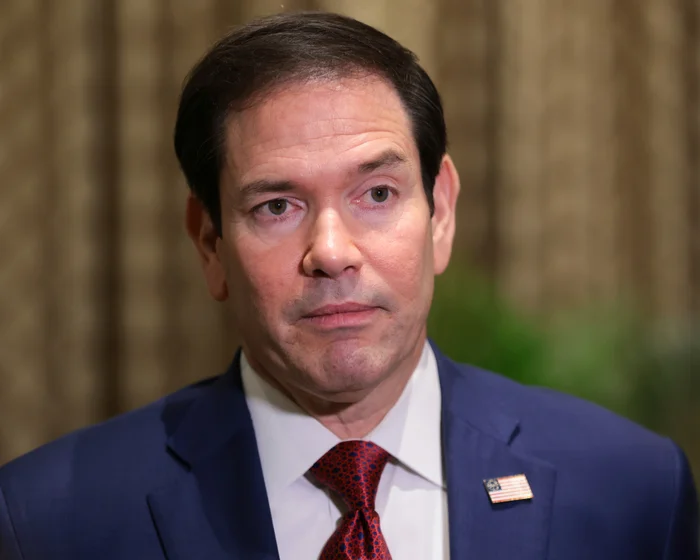
U.S. Secretary of State Marco Rubio has urged citizens in Cuba seeking political reform to take action, declaring that "now is the time" to pursue domestic transformation. The top diplomat issued the public appeal shortly after Donald Trump addressed a political rally in south Florida, where he raised the prospect of military intervention. The rapid sequence of statements underscored an aggressive posture directed toward the government in Havana.
In a statement published on social media, Rubio directed his appeal specifically toward individuals striving for positive change within the Caribbean nation. The secretary of state cited systemic grievances including broken promises, governance corruption, and the concentrated privileges enjoyed by a small ruling elite. He urged Cubans to seize the present moment to pursue systemic change through what he termed a discreet partnership with the Central Intelligence Agency.
The message closely followed a Friday campaign rally in south Florida, where Trump spoke in support of political candidates. During his speech, Trump claimed that U.S. warships returning from operations in Iran could potentially intervene in Cuba. Rubio subsequently referenced those plans, advising dissidents and citizens dissatisfied with local conditions to capitalize on the momentum generated by the administration's public declarations.
The dual statements represent a marked escalation in public rhetoric surrounding U.S.-Cuba relations. While Washington has maintained comprehensive economic sanctions and diplomatic pressure against Havana for decades, explicit public calls inviting foreign citizens to collaborate directly with intelligence agencies remain rare. The open rhetoric departs significantly from traditional diplomatic norms, signaling an assertive effort to exert psychological and political pressure on the island's authorities.
Rubio's framing focused heavily on popular discontent, linking political stagnation to deep economic hardships felt across the population. By contrasting the daily struggles of ordinary citizens with the insular lifestyles of elite officials, the statement sought to legitimize calls for rapid political upheaval. At the same time, the direct invocation of intelligence agency involvement carries substantial operational ambiguity, leaving observers to assess how such an initiative could function in practice.
Significant questions also surround the logistical and strategic feasibility of the military movements suggested at the Florida rally. Campaign remarks frequently employ heightened rhetoric to energize supporters rather than signaling formal, coordinated defense directives. Rerouting naval assets engaged in the Middle East toward operations in the Caribbean would require complex redeployment decisions and clear operational mandates that were not detailed during the public address.
The remarks are expected to provoke fierce pushback from authorities in Havana, who routinely condemn foreign political statements as illegal violations of national sovereignty. Historically, Cuban state leadership has cited U.S. statements referencing covert operations to justify tighter internal security controls and crackdowns on domestic opposition. International analysts emphasize that open declarations of intelligence collaboration can complicate the safety and efforts of local reform advocates on the ground.
For now, Washington has not released official policy documentation clarifying how the statements align with formal regional defense and intelligence strategy. The contrast between campaign rhetoric and formal institutional policy leaves the exact trajectory of U.S. intentions unresolved. Whether these remarks foreshadow new sanctions, enhanced covert operations, or merely a rhetorical escalation will depend on subsequent actions from both the White House and the State Department.
Primary source: The Guardian World. Newzly rewrites and structures source reporting for clarity; verify critical details at the original.