Russia Finalizes Cryptocurrency Trading Rules Ahead of November 17 Rollout
Russia has finalized new crypto trading rules permitting retail access to BTC, ETH, and USDT through regulated intermediaries starting Nov. 17, with the Moscow Exchange set to follow in December.
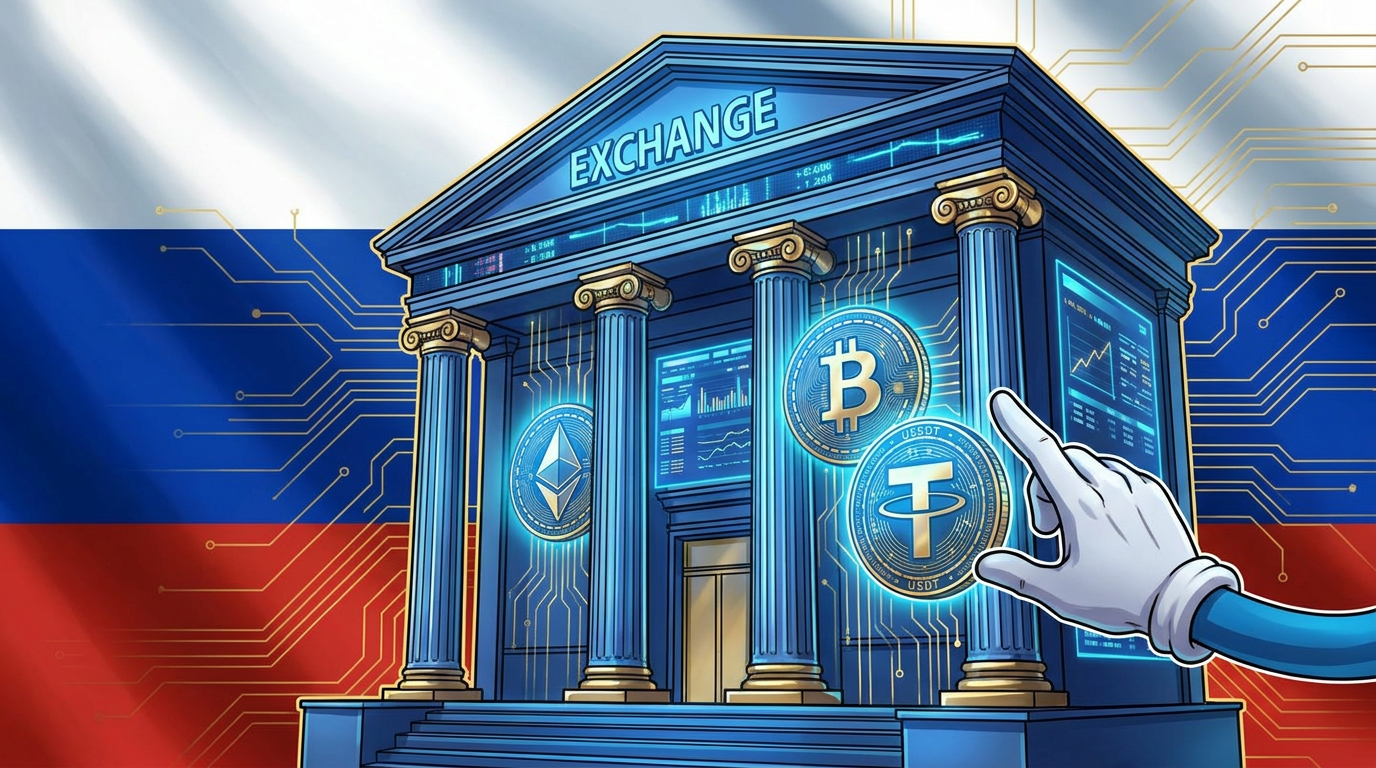
Russia has finalized comprehensive cryptocurrency trading rules ahead of a scheduled November 17 rollout, marking a significant step in the formalization of its digital asset sector. According to reporting from CoinTelegraph, the newly approved framework establishes official guidelines for domestic digital currency operations. The move sets the stage for regulated market access after months of policy deliberations surrounding crypto supervision.
Under the finalized provisions, retail investors will be officially permitted to trade Bitcoin, Ethereum, and Tether. The rules mandate that all trading activity must take place exclusively through regulated intermediaries, barring direct unsupervised retail trading. This requirement ensures that financial brokerages and registered institutions handle compliance, customer onboarding, and transaction verification.
The rollout schedule is set to expand rapidly from the initial mid-November date into the broader financial market. The Moscow Exchange is currently planning to introduce cryptocurrency trading services in December, providing an institutional venue for market participants. The exchange's entry is expected to bring standardized trading infrastructure and order matching to domestic crypto participants.
By selecting Bitcoin, Ethereum, and Tether, regulators have initially restricted retail access to the digital asset market's largest and most established tokens. Bitcoin and Ethereum represent the foundational assets of the decentralized ecosystem, providing substantial market liquidity and global price discovery. The inclusion of Tether grants retail participants direct access to the world's most widely used dollar-pegged stablecoin for settlement and portfolio management.
The formalization of these rules reflects a strategic evolution in Russia's broader economic and financial policy landscape. Domestic authorities have spent years debating the role of digital currencies, weighing the risks of financial volatility against the practical utility of alternative payment networks. The latest framework indicates a preference for state-supervised integration over outright prohibition.
Relying on regulated intermediaries serves as a central pillar of the regulatory strategy. By routing trades through authorized financial entities, regulators can enforce standard anti-money laundering controls and maintain transaction oversight. This approach provides financial authorities with clear visibility into domestic capital movements while mitigating the risks associated with shadow markets.
The planned launch of crypto trading on the Moscow Exchange represents a crucial bridge between traditional capital markets and digital assets. Integrating crypto products into a major national bourse provides retail traders with a familiar, structured execution environment. It also aligns the trading of digital currencies with existing market safeguards and reporting conventions.
For individual retail investors, the framework offers clearer legal and operational footing after an extended era of regulatory uncertainty. While traders previously relied on international platforms or peer-to-peer mechanisms, the new guidelines establish a sanctioned domestic channel. However, market participants will operate under strict oversight and structured compliance boundaries.
Financial institutions and intermediaries are now preparing their technical and operational systems ahead of the November 17 deadline. Regulated firms must ensure that custody solutions, client verification procedures, and risk management systems align with the finalized rules. Achieving operational readiness within this short timeline remains a critical priority for participating brokerages.
Attention now turns to how smoothly the November 17 rollout proceeds and how market participants respond to the initial trading parameters. The subsequent launch on the Moscow Exchange in December will offer an early indicator of institutional capacity and retail volume. The outcomes of these initial phases are expected to shape whether Russian authorities eventually broaden the list of permitted digital assets in the future.
Primary source: CoinTelegraph. Newzly rewrites and structures source reporting for clarity; verify critical details at the original.