S&P 500 Faces Longest Losing Streak Since 2020 as Selling Pressure Mounts
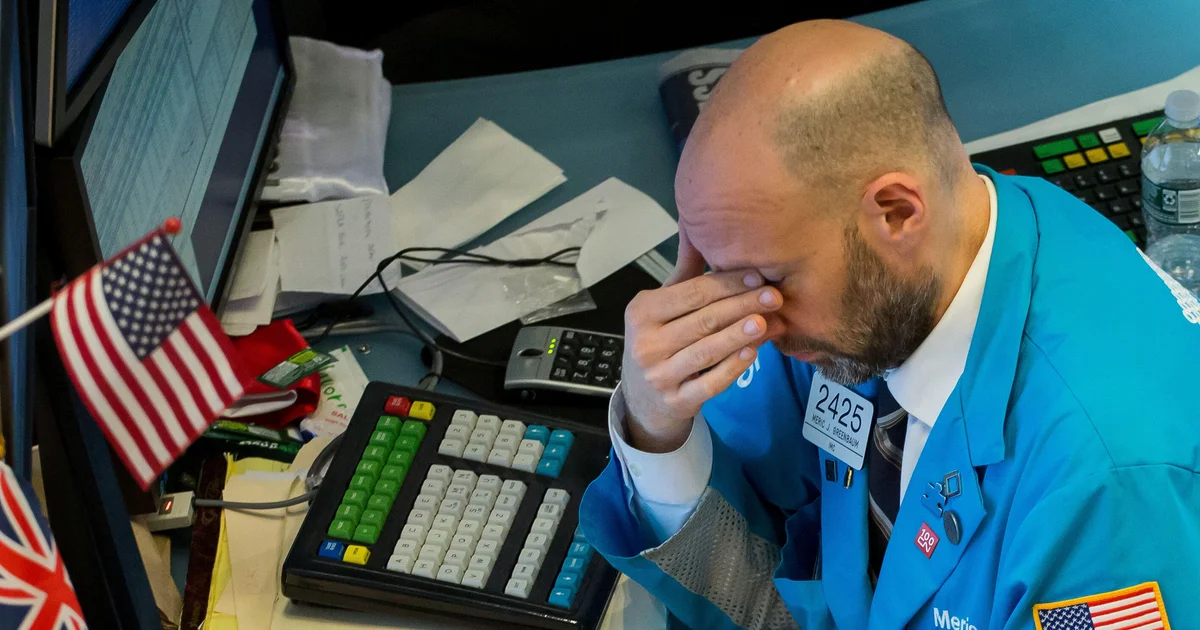
The S&P 500 is heading toward a seventh consecutive day of losses, marking its longest slump since February 2020. The sustained retreat reflects mounting caution across equity markets as investors reassess portfolio risk.
In this piece
The S&P 500 is on track for a seventh consecutive session of losses, recording its longest losing streak since February 2020. The sustained market decline…
The S&P 500 is pacing toward its seventh straight day of losses, signaling a sharp shift in momentum across United States equity markets. The extended retreat marks the benchmark index's longest losing streak since February 2020. Market participants have watched gains erode as persistent selling pressure continues to weigh heavily on broad market sentiment.
A seven-session decline represents a rare technical milestone for the broad-market index, which has not endured a comparable continuous slump in several years. The benchmark had last experienced such a prolonged daily retreat during the onset of major global disruptions in early 2020. While market pullbacks are standard occurrences across economic cycles, extended downward runs typically prompt closer scrutiny of underlying market conditions.
The persistent slide reflects broader hesitation among investors who are reassessing risk profiles after extended periods of market gains. Shifting confidence across major market sectors often prompts institutions and retail traders to pull back from equities. When dominant indexes slide uninterrupted for over a week, broader portfolio rebalancing frequently accelerates the downward movement.
Market observers often point to evolving macroeconomic factors and elevated valuations when evaluating broad market downturns. Fluctuating expectations surrounding interest rates, corporate earnings sustainability, and economic growth can rapidly change risk appetites. When investors become concerned that stock prices have outpaced fundamentals, market sentiment can swiftly pivot toward risk aversion.
For everyday market participants, multi-day losing streaks can introduce significant psychological stress and test portfolio discipline. Rapid paper losses across diversified index funds often tempt investors to make impulsive, emotionally driven adjustments. However, financial analysts routinely caution that attempting to time market bottoms during active declines carries considerable financial risk.
Prudent financial strategy during protracted selloffs generally emphasizes maintaining a balanced, long-term perspective. Long-term investors typically benefit from reviewing asset allocation targets rather than liquidating holdings in response to daily volatility. Staying aligned with established risk tolerance and long-term financial goals helps mitigate the long-term impact of temporary market dislocations.
Diversification across uncorrelated asset classes remains a cornerstone of defensive portfolio management during equity turbulence. Periodic rebalancing allows investors to trim overweighted positions and reallocate into undervalued segments systematically. Dollar-cost averaging can also assist investors in deploying capital incrementally rather than trying to anticipate the exact end of a downward trend.
Market participants continue to monitor whether selling pressure stabilizes or spreads further across secondary indicators. Sustained downward momentum can sometimes indicate deeper macroeconomic headwinds, while in other instances it represents an ordinary valuation correction. Assessing market breadth and trading volume provides critical insight into whether institutional investors are liquidating or preparing to re-enter.
In the coming sessions, traders and financial analysts will closely watch for signs of technical support that could arrest the index's slide. Market stabilization will likely depend on whether buying interest returns to key benchmark components or if broader caution keeps sideline capital reserved. Until market equilibrium is re-established, heightened volatility and cautious trading are expected to characterize equity sessions.
Primary source: Yahoo Finance Markets. Newzly rewrites and structures source reporting for clarity; verify critical details at the original.