S&P 500 Sinks 3.7% as Slumping AI Stocks Push Nasdaq Negative for the Year
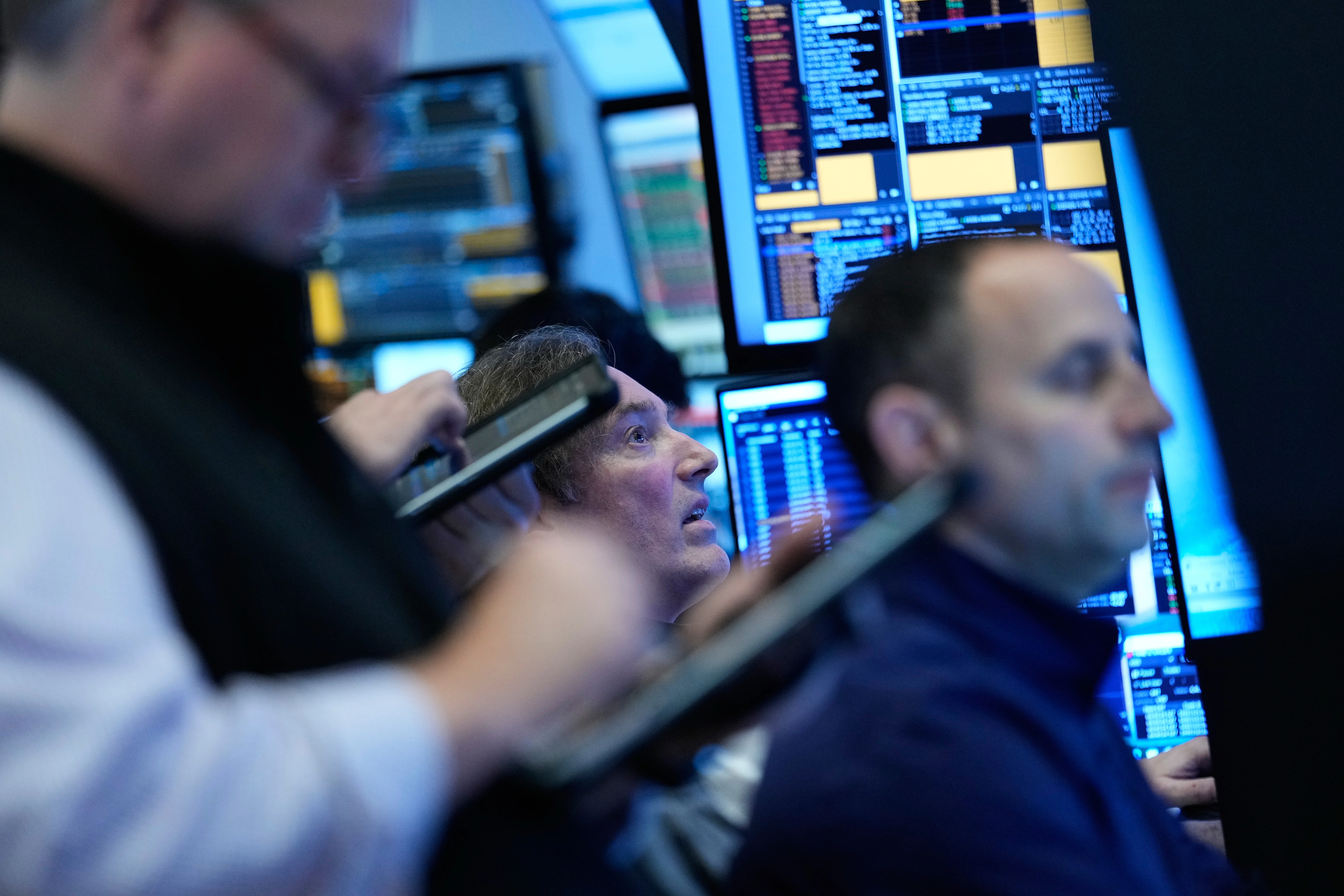
Wall Street suffered a sharp pullback as a steep slide in artificial intelligence stocks dragged the S&P 500 down 3.7% and sent the Nasdaq Composite into negative territory for the year.
In this piece
The S&P 500 dropped 3.7% and the Nasdaq Composite turned negative for the year as heavyweight artificial intelligence stocks experienced a severe sell-off. The…
Wall Street experienced a sharp sell-off as the benchmark S&P 500 tumbled 3.7 percent and the tech-heavy Nasdaq Composite wiped out its gains to slip into negative territory for the year. The broad retreat reflects an abrupt shift in investor risk tolerance following months of technology-led advances. Major market indices faced relentless downward pressure throughout the trading session as market participants re-evaluated elevated equity valuations.
The steep slide was driven primarily by an aggressive retreat in artificial intelligence and mega-cap technology stocks. Because these companies carry enormous market capitalizations, their share price movements exert an outsized influence on capitalization-weighted benchmarks. When heavyweights in the sector stumble, their market weight pulls broader index averages down significantly, regardless of performance in other sectors.
The reversal stands in stark contrast to the market dynamics that characterized trading earlier this year. A wave of optimism surrounding the commercial potential of artificial intelligence had previously powered Wall Street to strong gains and record highs. Investors had enthusiastically rewarded companies building computing architecture, machine learning platforms, and related digital hardware, propelling index valuations higher.
The rapid ascent of AI-linked leaders created an unusually concentrated market structure where a handful of mega-cap firms accounted for the vast majority of index returns. While that concentration accelerated gains during market rallies, it also left benchmark indices acutely vulnerable to sudden declines. When sentiment cooled and selling gained traction among these market titans, the downside impact reverberated across the financial landscape.
Market participants have increasingly focused on the sustainability of massive enterprise spending dedicated to developing artificial intelligence capabilities. Billions of dollars in corporate capital expenditure have flowed into infrastructure, data centers, and advanced computing clusters over recent quarters. Investors are now scrutinizing whether returns from commercial AI applications will materialize fast enough to support historically high price-to-earnings multiples.
The Nasdaq Composite falling into negative territory for the year represents an important psychological milestone for institutional and retail investors. Having previously served as the primary engine of broader market momentum, the tech-focused benchmark now reflects growing caution across high-growth assets. Traders who had grown accustomed to persistent rallies are now facing renewed volatility and broader risk aversion.
The outsized influence of mega-cap tech shares has also made it difficult for defensive and value-oriented sectors to balance market losses. Even during sessions where consumer staples, utilities, or industrial names demonstrate relative stability, their collective market weight is often insufficient to counter steep drops in tech giants. As a result, standard index-tracking funds and diversified retirement portfolios inevitably feel the full force of tech-sector downturns.
The sell-off also unfolded amid broader discussions concerning monetary policy, interest rates, and ongoing macroeconomic uncertainty. Higher debt costs and borrowing conditions generally increase the hurdle rate for speculative growth investments, compounding pressure on valuation-sensitive technology equities. When broad macroeconomic concerns coincide with sector-specific doubts, liquidity across trading desks can tighten, amplifying session-by-session price swings.
Looking ahead, market participants will be closely watching forthcoming corporate financial statements and executive guidance for indications of demand stability across tech supply chains. Analysts note that future market trajectory will likely hinge on whether corporate customers continue spending aggressively on artificial intelligence tools or choose to temper deployments. Until clarity emerges regarding earnings resilience, equity markets appear positioned for continued volatility as investors recalibrate their expectations.
Primary source: NPR News. Newzly rewrites and structures source reporting for clarity; verify critical details at the original.