SAD-BJP reunion brings both parties back into Punjab poll calculations, report says
The Hindu describes reunification between the Shiromani Akali Dal and BJP as restoring their electoral relevance in Punjab, though the supplied excerpt gives no details of the arrangement or election timetable.
In this piece
A headline from The Hindu frames SAD-BJP reunification as putting both parties back in contention in Punjab. The supplied material contains no accompanying…
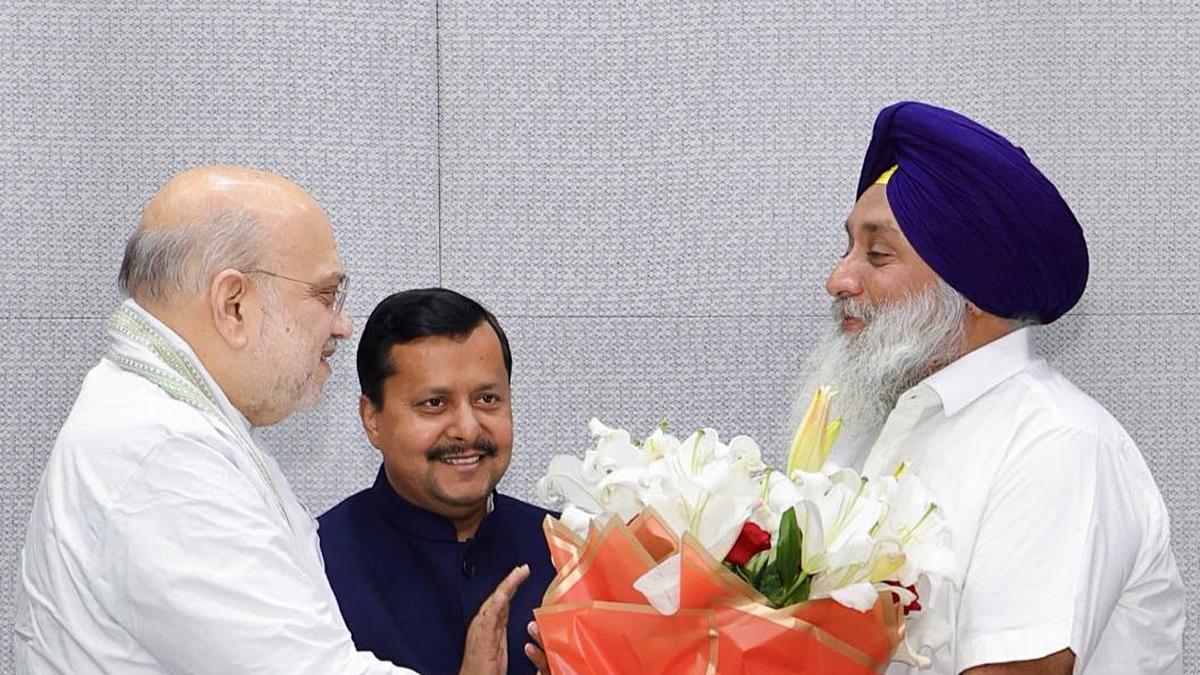
Reunification between the Shiromani Akali Dal (SAD) and the Bharatiya Janata Party (BJP) has brought both parties back into Punjab’s electoral reckoning, according to a headline published by The Hindu. The supplied news feed carries that assessment but does not include the article’s reporting or details of the political arrangement.
The headline presents the coming together as a development with potential consequences for both parties’ prospects. However, the available material does not establish whether it refers to a formally announced alliance, a particular electoral understanding or a broader political rapprochement. That distinction matters when assessing what has changed on the ground.
The reference to “Punjab polls” places the story in the state’s electoral context, but the excerpt does not identify the election or its timing. It supplies no polling dates, constituencies or candidate information. As a result, the report cannot be tied confidently to a specific contest on the basis of the material provided.
The central assessment is that the relationship between the two parties has renewed their relevance to the contest. Being back “in the reckoning,” however, is an appraisal of competitiveness rather than evidence of an electoral outcome. The excerpt provides no survey findings, voting figures or constituency-level analysis against which to evaluate that appraisal.
An electoral partnership can matter because it may change how parties coordinate campaigns, choose candidates and compete for support. Whether any of those effects apply here depends on the terms of the arrangement and its implementation. None of those operational details appears in the supplied text, so they remain questions rather than established features of this development.
For voters, the practical significance would depend on what the parties propose to do together and how that affects the choices on the ballot. The available excerpt contains no joint programme, policy commitments or campaign priorities. It also offers no statements from either party explaining the purpose or scope of their renewed relationship.
The sourcing places a further limit on the account: the supplied Google News entry reproduces The Hindu’s headline and publication name, rather than the underlying article. Its summary and content fields repeat the same linked text. They therefore do not provide separate corroboration, additional background or direct comments from those involved.
The next substantive questions concern confirmation of the arrangement, its electoral scope and any decisions on candidates or campaign coordination. Those details would help establish whether the renewed relationship changes the parties’ competitive position in practice. For now, the supported account is limited to The Hindu’s headline assessment that reunification has put SAD and BJP back into Punjab’s electoral calculations.
Primary source: Google News Punjab. Newzly rewrites and structures source reporting for clarity; verify critical details at the original.