world·Vermont·Chittenden County
Saint Michael’s College Expands Academic Programs to Address Vermont’s Workforce Shortages
Saint Michael’s College in Vermont has introduced new degree tracks in emergency services, science education, and biotechnology, pairing campus learning with local business co-ops to counter regional labor shortages.
In this piece
Saint Michael’s College has launched new academic majors and local co-op initiatives to address acute workforce shortages across Vermont. The programs focus on…
Saint Michael’s College in Colchester, Vermont, has launched a suite of targeted academic programs designed to directly tackle severe workforce shortages and talent retention challenges across the state. The strategic expansion introduces new curricula in emergency services, secondary science education, and biotechnology, intentionally aligning campus offerings with the region's most urgent employment needs. Campus leaders indicated that the initiatives aim to equip graduates with practical expertise while serving critical local communities.
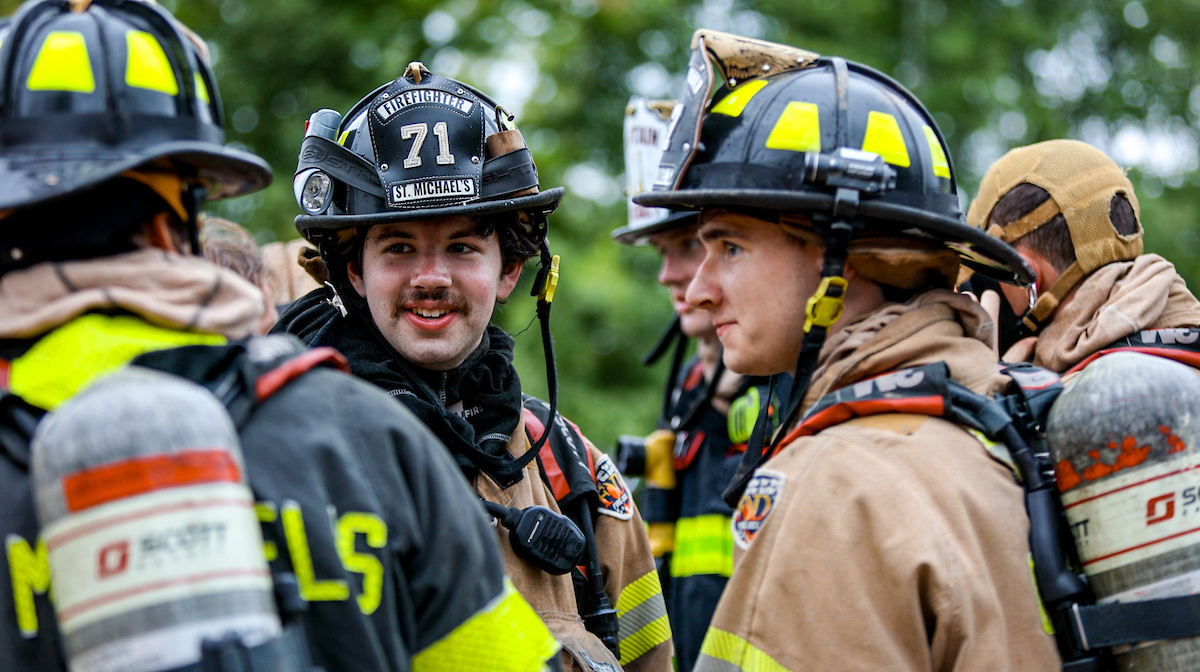
A central pillar of the expansion is a comprehensive emergency services major, which builds directly upon the college’s renowned student-run fire and rescue organization. The program offers focused tracks in emergency medical services, fire science, wilderness medicine, and disaster management to address staffing deficits across municipal and volunteer squads. By combining field operations with academic credentials, the college hopes to supply well-trained emergency personnel throughout northern Vermont.
Alongside emergency training, Saint Michael’s has introduced a secondary science education major to address acute regional and national shortages of qualified classroom instructors. The curriculum integrates rigorous coursework spanning biology, chemistry, physics, and environmental science while guiding undergraduates through state teaching licensure requirements. Education faculty designed the track to ensure aspiring teachers can immediately step into understaffed middle and high school classrooms.
The institution is also expanding academic pathways into Vermont's expanding life sciences ecosystem through dedicated biotechnology initiatives. Backed by a 400,000-dollar grant from the National Science Foundation, the college established specialized certificate credentials and intensive laboratory courses, including summer biotechniques training. These offerings give students hands-on technical proficiencies required by regional biomedical firms and research laboratories.
To bridge the gap between undergraduate study and local economic needs, Saint Michael's partnered with the Lake Champlain Chamber to establish the SMC Co-op Program. Under this cooperative model, participating upper-level students complete paid, project-based professional placements of at least twenty hours per week with area employers while continuing their degree coursework. The cooperative structure provides local businesses with skilled talent while giving students valuable real-world experience.
Workforce retention has emerged as a high priority for Vermont policymakers and business leaders navigating an aging population and tight labor markets. Institutional leaders noted that exposing students to local professional environments encourages out-of-state undergraduates to build enduring ties within the state. Strengthening these institutional ties helps ensure that young professionals view Vermont as a viable and rewarding place to launch their careers after graduation.
These pragmatic additions complement Saint Michael's traditional liberal arts foundation, reflecting a nationwide push among small colleges to demonstrate direct career readiness. In recent terms, the college has also bolstered its portfolio with programs in data science, public health, digital marketing, and project management to match changing marketplace expectations. Faculty leaders stressed that combining foundational analytical thinking with applied career training offers students the most resilient preparation for modern employment.
The institution reported that its emphasis on experiential learning and regional integration has already produced strong career placement outcomes for recent cohorts. Institutional data indicates that 98 percent of recent graduates secured full-time employment, enrolled in graduate studies, or began full-time service fellowships within six months of receiving their degrees. College administrators attribute these high placement figures to the extensive internship, volunteer, and clinical opportunities embedded in the curriculum.
Looking ahead, Saint Michael’s plans to deepen its relationships with area healthcare networks, municipal agencies, school districts, and private sector employers across Chittenden County and beyond. Administrators stated that curricular offerings will continue to evolve in tandem with Vermont's shifting economic demands. As the inaugural cohorts advance through these new programs, regional employers anticipate a steady influx of skilled professionals ready to fill vital vacancies.
Primary source: Google News Vermont. Newzly rewrites and structures source reporting for clarity; verify critical details at the original.