Saving for a starter home now takes 16 years, twice as long as in 2019
A median-income renter household needs 16 years to save for a starter home's down payment and closing costs, a new analysis finds, as housing and everyday expenses squeeze savings.
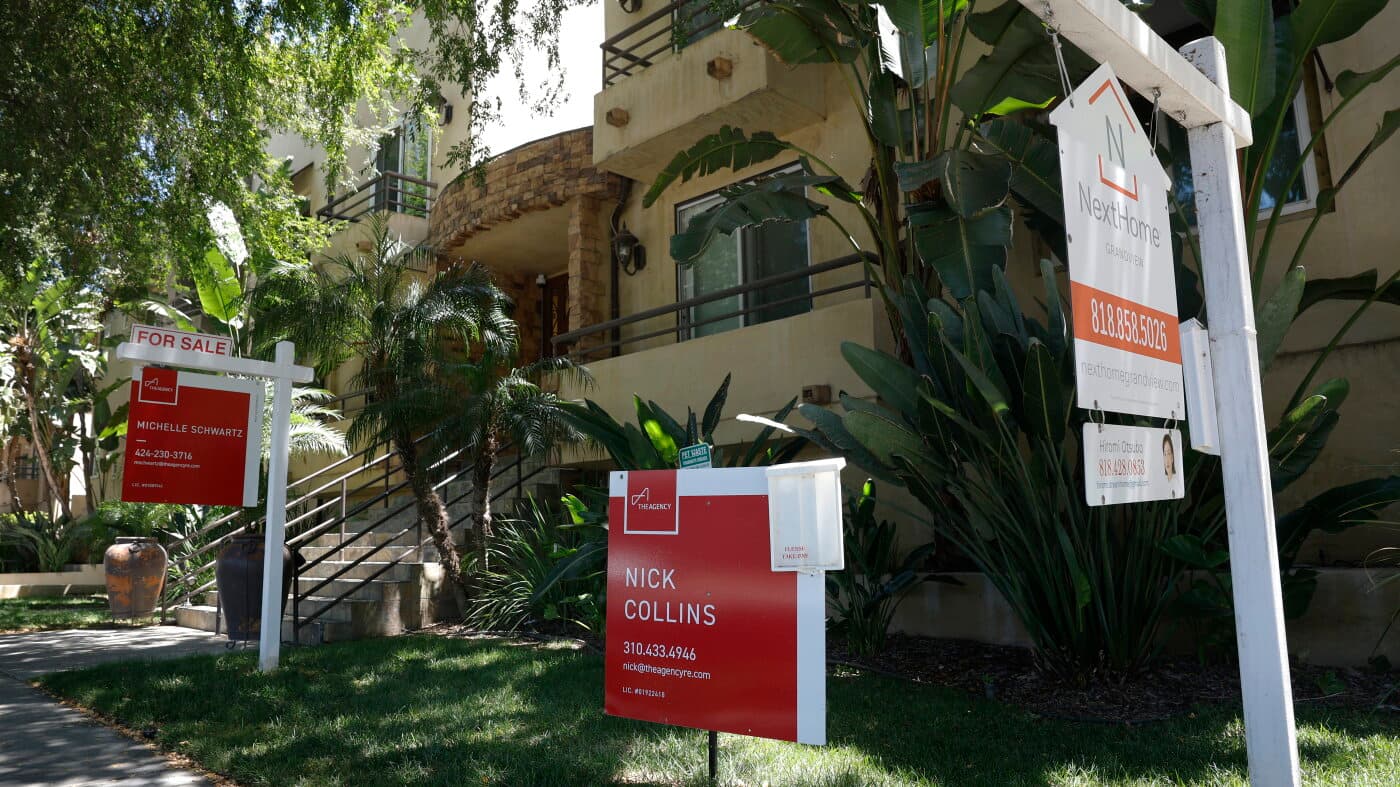
A median-income renter household would need 16 years to accumulate a down payment and closing costs for a starter home, double the time required in 2019, according to research released October 22 by the Center for Responsible Lending's Julian Bond Institute. The findings show how upfront expenses have become a substantial obstacle alongside mortgage payments.
The analysis updates the center's earlier research and estimates how long families would need to save under prevailing financial conditions. It measures the time needed to assemble purchase funds, rather than tracking how long individual households actually spend preparing to buy.
The estimated wait is longer for Black renter households at the median income: 21 years, compared with 11 years in 2019. The center says the Black-white disparity in saving time has doubled, underscoring how access to ownership differs across households even before they apply for financing.
The deterioration extends beyond the lowest-income renters. NPR reported that households earning roughly $50,000 to $120,000 face an estimated 12-year savings period, while the timelines for police officers, firefighters, emergency medical technicians, nurses and teachers range from 10 to 13 years.
Rising property prices have increased the amount buyers need upfront, while rent and other household expenses leave less income available to save. According to NPR, higher food, fuel, healthcare and homeowners insurance costs have compounded the pressure, and renters' incomes have failed to keep pace.
The calculation assumes a 3.5% down payment and values a starter home at $335,574, NPR reported. Those assumptions matter: a household seeking to make a larger down payment would need more money, while its actual savings timeline would depend on income, expenses and outside assistance.
The findings also expose a divide between families trying to enter the market and owners who have benefited from rising property values. Existing owners may have accumulated equity, while aspiring buyers must assemble their initial funds without that housing wealth to draw on.
Mike Calhoun, the center's president and a report co-author, said in the institute's announcement that families without help from relatives face particularly steep barriers. The institute argues that access to family resources increasingly shapes who can overcome upfront purchase costs, making the challenge more than a question of willingness to save.
The center is calling for expanded down payment assistance, access to low-down-payment mortgages and more housing supply. Its recommendations frame affordability as a combined financing and construction problem: helping buyers accumulate cash addresses one barrier, while increasing the availability of starter homes addresses another.
The report's policy outlook therefore rests on action beyond individual household budgeting. Calhoun urged policymakers to expand assistance, particularly for first-generation buyers, alongside efforts to increase supply; the research presents both as necessary to shorten a path to ownership that has lengthened sharply since 2019.
Primary source: NPR. Newzly rewrites and structures source reporting for clarity; verify critical details at the original.