Second Phase of Census 2027 Set to Begin on January 25 in Tripura
Tripura will begin the second phase of Census 2027 on January 25, deploying mobile enumeration tools across the state following a two-week online self-enumeration period for households.
In this piece
The second phase of Census 2027 in Tripura will run from January 25 to February 28, following an online self-enumeration window starting January 10. The fully…
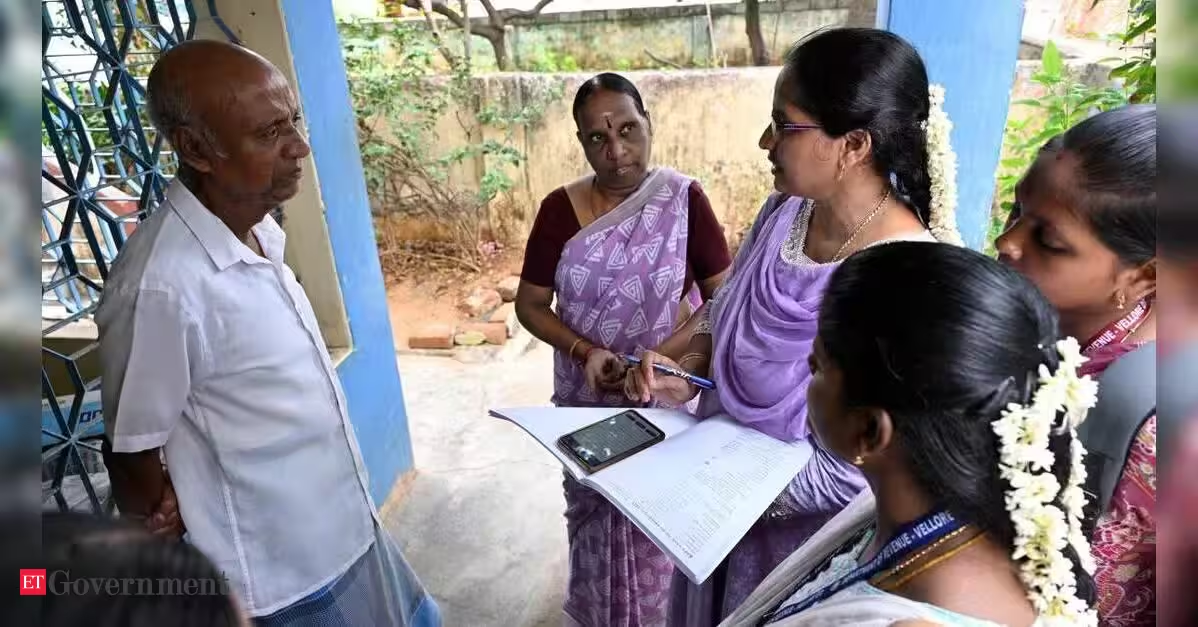
The second phase of Census 2027 is scheduled to begin across Tripura on January 25, marking a crucial step in India's nationwide population enumeration drive. Field operations in the northeastern state will continue through February 28, following an initial self-enumeration window for residents. State authorities have finalized preparations to deploy enumerators to gather detailed demographic data across all administrative zones.
Ahead of door-to-door visits by census officials, citizens will have the option to self-enumerate through an online portal from January 10 to January 24. This advance digital window allows households to submit their information independently prior to visits from designated field enumerators. Officials noted that the self-reporting mechanism is designed to streamline data entry and shorten physical verification times.
The upcoming population enumeration phase focuses on recording comprehensive socio-economic, demographic, and cultural parameters of individuals and households. Enumerators will administer a standardized questionnaire containing around 40 questions covering education, economic activity, migration patterns, and fertility. In addition to settled households, administrative teams will conduct special drives to document the homeless and institutional populations.
The commencement of the population count follows the conclusion of the first round of the census exercise, which centered on house listing and housing amenities. That initial phase was completed across Tripura in August, establishing the structural framework and mapping necessary for the subsequent population count. The earlier survey collected foundational details on living conditions, household assets, and basic infrastructure access.
Census 2027 is structured as the country's first fully digital decennial count, replacing traditional paper forms with electronic workflows. Enumerators will record responses directly on dedicated mobile applications, with built-in validation checks to minimize data entry discrepancies. Encrypted data transmissions will route information directly into centralized administrative databases for real-time monitoring and verification.
The data collected during the upcoming enumeration will serve as a foundational benchmark for governance, economic planning, and resource allocation over the next decade. Updated population metrics are vital for determining legislative representation, delimitation exercises, and targeted welfare distribution under central and state development programs. In border states like Tripura, precise demographic tracking is also essential for tailoring regional infrastructure initiatives.
State administrative machinery and district-level census coordinators have initiated specialized training programs for thousands of field staff and supervisors. The training sessions emphasize technical fluency with the digital data collection tools, as well as sensitivity to local languages and geographical accessibility. Administrative bodies have established review protocols to track coverage and address any technical connectivity issues in remote areas.
Following the completion of fieldwork on February 28, authorities will undertake a brief revision round to account for births, deaths, and population movements during the survey window. Preliminary results and provisional population totals are expected to be processed through automated analytics pipelines once regional data validation concludes. Officials urge residents to participate actively and verify their details, framing the exercise as integral to long-term national planning.
Primary source: Google News Tripura. Newzly rewrites and structures source reporting for clarity; verify critical details at the original.