Senate passes permitting bill aimed at speeding energy and data center projects
The Senate has approved a permitting measure that supporters say will accelerate energy and data center construction. Critics and several outlets describe it as a weakening of environmental review.
In this piece
The Senate passed a permitting reform bill that backers link to faster energy and data center projects, including work supported by AI and energy interests.…
The Senate has passed a permitting reform bill intended to speed approval of energy projects, according to multiple news reports. Coverage describes the measure as a significant shift in how large infrastructure proposals move through federal review, with data centers also named as part of the overhaul.
Accounts of the vote differ in emphasis. The Washington Post framed the action as a Senate vote to weaken environmental laws in order to accelerate energy projects. NPR reported that the Senate passed a bipartisan energy bill amid environmental concerns, signaling both cross-party support and unresolved objections.
Fox News cast the result as Senate Republicans breaking through Washington gridlock with a broad American energy and data center overhaul. Axios described the legislation as a Trump-backed permitting bill. Those characterizations sit alongside NPR’s bipartisan framing, and the available reports do not include a vote tally that would show how wide the margin was.
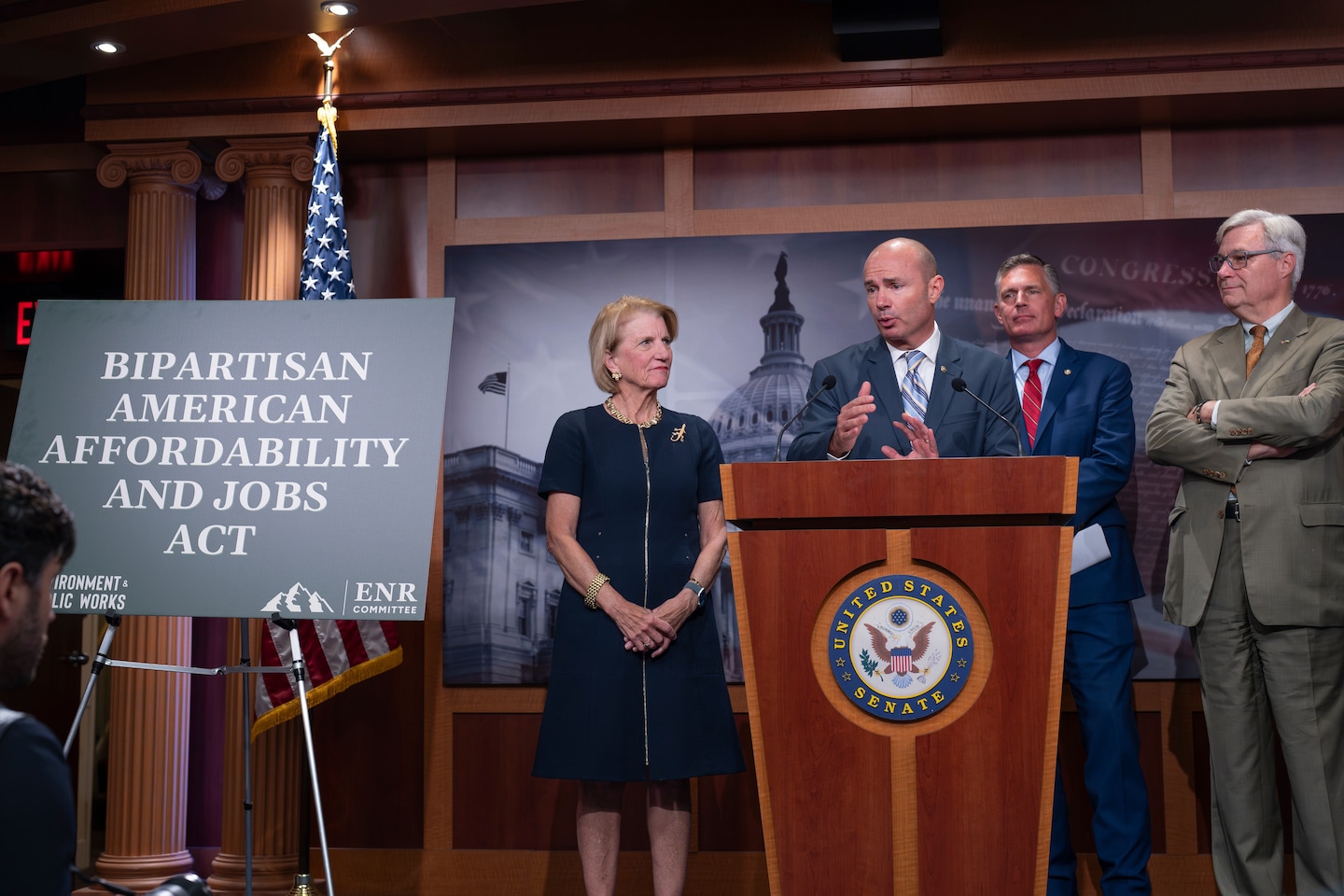
CNBC identified the measure as the BAAJA permitting reform bill and said it was backed by the AI and energy sectors. That reporting ties the Senate action to industries seeking faster sites and power connections for computing facilities as well as for conventional energy development. The headlines do not spell out the bill’s section-by-section text.
Taken together, the reporting points to a single legislative goal: shorter timelines for projects that now face lengthy environmental and permitting reviews. Supporters, as described in the coverage, present that speed as a way through federal gridlock. Critics, reflected most directly in the Post’s account and in NPR’s note of environmental concerns, treat the same changes as a reduction in safeguards.
The data center thread matters because large computing facilities need substantial electricity and land-use approvals. Fox News and CNBC both place data centers or the AI sector alongside energy in the story of the bill. How far the text reaches into transmission, generation, or site permitting is not detailed in the headlines that form the public record here.
Environmental law is the other fault line. The Post’s description — that the Senate voted to weaken those laws — is a stronger claim than a generic permitting tweak, and it is not independently confirmed by the shorter headlines from other outlets. Readers should treat that wording as the Post’s characterization of the vote, not as a substitute for the statutory language.
The political labels are similarly outlet-specific. Calling the bill Trump-backed, a Republican breakthrough, or a bipartisan energy measure each implies a different coalition. Until a full roll call and sponsor list are examined, those labels should stay attributed to the organizations that used them.
What the Senate action does not settle is the bill’s future. The reports available here say the Senate passed the measure. They do not describe House action, a conference process, or a presidential signature, so enactment is not established by this coverage.
Industry backing noted by CNBC suggests energy and AI interests will keep pressing for the changes if the bill moves further. Environmental concerns flagged by NPR, and the Post’s account of weakened review, indicate opponents will argue that faster approvals come at the expense of public and ecological scrutiny.
Next steps depend on Congress and the White House, and on whether the BAAJA permitting language, as CNBC named it, survives in the form the Senate approved. Until fuller text and vote details are published, the clearest facts are these: the Senate passed a permitting bill tied to energy and data center projects, and major outlets disagree on whether that is reform, a partisan breakthrough, or a weakening of environmental law.
Primary source: Google News U.S.. Newzly rewrites and structures source reporting for clarity; verify critical details at the original.