Sevastopol promotion puts UEFA’s Crimea rules under scrutiny
FC Sevastopol’s bid to enter Russia’s professional third tier could test UEFA’s prohibition on Crimean clubs playing in Russian Football Union competitions, with a licence decision still unconfirmed.
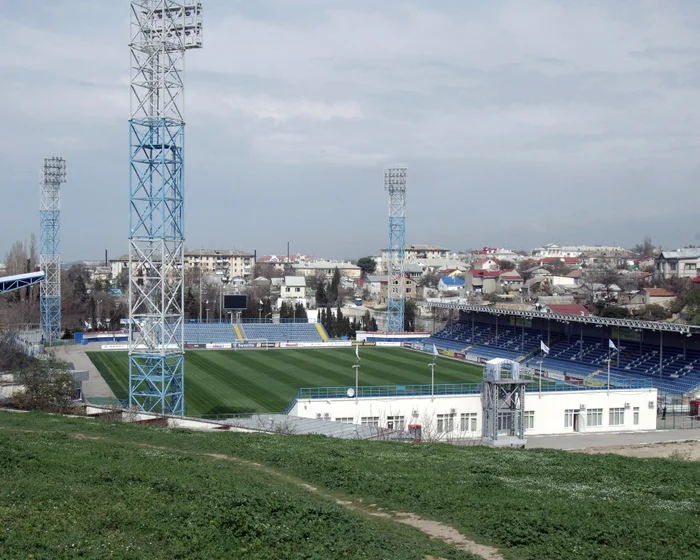
UEFA and FIFA face renewed scrutiny over Russia’s integration of football clubs from occupied Ukrainian territory after FC Sevastopol won promotion toward the country’s professional third tier, The Guardian reported. The Crimean club’s participation at that level remains dependent on a licence that the report does not confirm has been granted.
Sevastopol were declared champions of group one in Football National League 2B, effectively Russia’s fourth division, according to the report. They are believed to have applied for permission to compete in FNL 2A, the division above, making the licensing process the immediate focus of the dispute.
The distinction between winning promotion and receiving permission to participate is central to the case. Sevastopol’s sporting result has established a route upward, but the information provided does not establish that the club have completed the administrative requirements or been accepted into the higher competition.
UEFA rules prohibit Crimean clubs from playing in competitions organised by the Russian Football Union, according to The Guardian. If Sevastopol receive a licence and enter FNL 2A, that step would appear to violate the restriction and place the governing body under pressure to respond.
The dispute concerns more than the movement of one club between divisions. Sevastopol are based in Crimea, which the report identifies as illegally occupied Ukrainian territory, placing their integration into Russia’s football system within the wider conflict over Ukraine and the treatment of clubs from occupied areas.
Russian club and national teams are already banned from international tournaments, the report notes. The Sevastopol case therefore raises a separate enforcement question: whether football’s authorities would extend sanctions in response to a domestic competition admitting a club covered by UEFA’s territorial restrictions.
Those existing bans do not resolve the issue described in the report. The immediate question is whether Sevastopol will be permitted to play in the higher Russian division; the broader question is how UEFA and FIFA would react if that participation goes ahead despite the prohibition.
The Guardian frames the case as a test of both organisations’ willingness to punish Russia’s integration of teams from occupied Ukrainian territory. However, the supplied report does not identify a proposed additional penalty, confirm a disciplinary proceeding or provide a response from either governing body on Sevastopol’s application.
That leaves important limits on what can be concluded about the outcome. A reported licence application is not an approval, and pressure for further sanctions does not establish that either UEFA or FIFA has decided to impose them. The potential breach described in the report depends on the club being licensed and proceeding into FNL 2A.
The next decisive development is therefore the outcome of Sevastopol’s licensing bid and whether they enter the competition. If they do, attention will turn to how football’s governing bodies enforce the Crimea restriction and whether the existing sanctions on Russian football are expanded.
Primary source: The Guardian Sport. Newzly rewrites and structures source reporting for clarity; verify critical details at the original.