world·Pennsylvania·Philadelphia County
Severe Thanksgiving Storm Batters East Coast With Flooding and Heavy Travel Delays
A powerful holiday storm has unleashed coastal flooding, power outages, and more than 1,000 flight disruptions across the eastern United States, upending Thanksgiving travel plans for millions.
In this piece
A major storm system is battering the U.S. East Coast and Midwest with heavy rain, strong winds, and king tides, placing 67 million people under coastal flood…
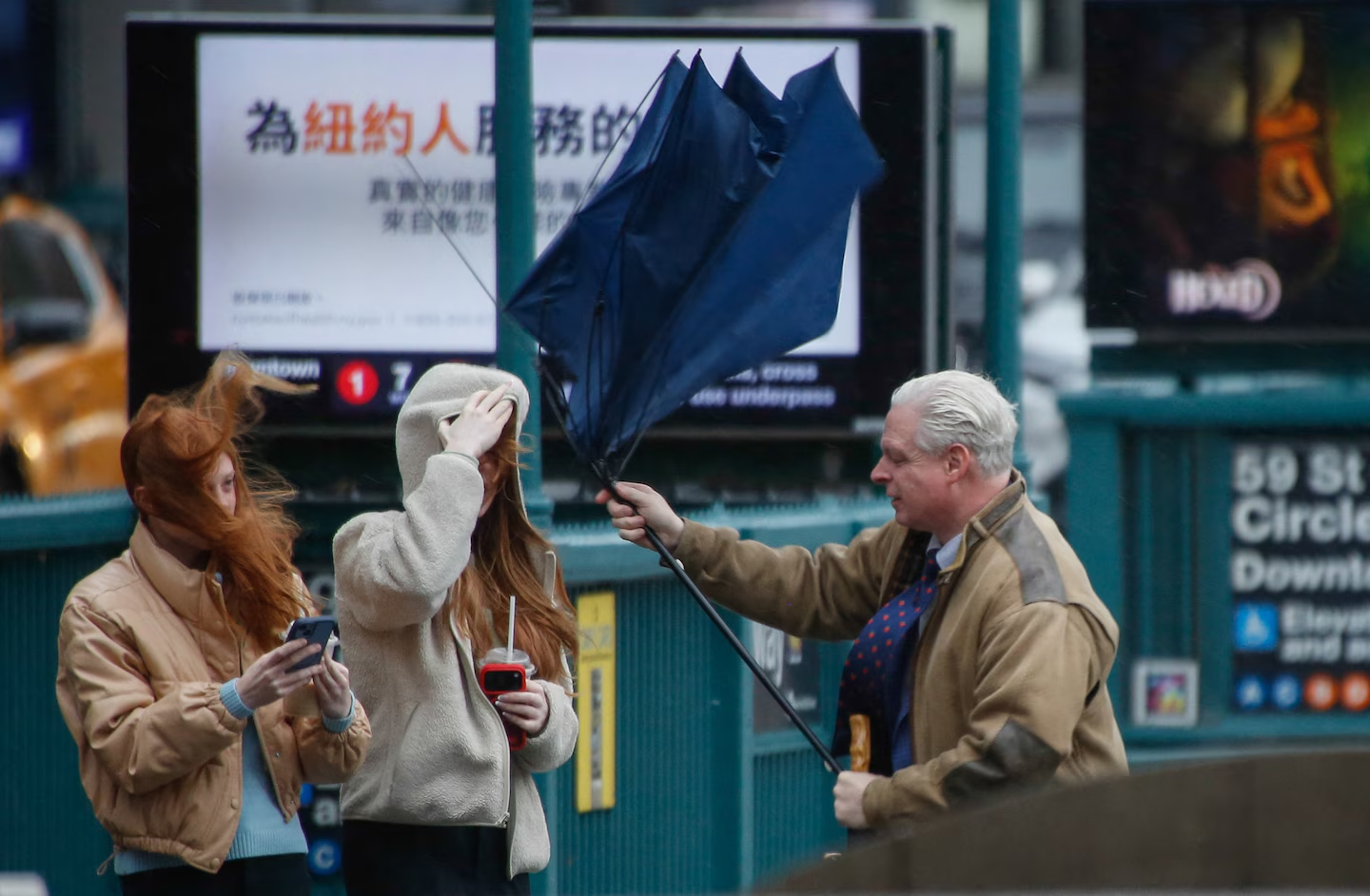
A powerful holiday storm system is battering the eastern United States, triggering extensive flight disruptions, widespread coastal flood alerts, and growing power outages as millions attempt to travel for Thanksgiving. Heavy rainfall, intense wind gusts, and abnormally high tides have combined to create hazardous conditions across the Northeast, Mid-Atlantic, and Midwest. Transportation hubs and coastal communities are bearing the brunt of the turbulent weather at one of the busiest travel periods of the year.
Aviation networks have been hit particularly hard, with more than 1,000 flights across the United States already delayed or canceled as adverse conditions sweep through key transit corridors. Major regional airports from the Midwest through the East Coast have reported mounting gate delays, ground stops, and schedule disruptions. The cascading cancellations have left thousands of holiday passengers stranded or facing long rebooking queues during peak travel days.
Coastal regions face compounding risks as the storm system coincides with king tides, pushing seawater into vulnerable low-lying neighborhoods and waterfront roads. Roughly 67 million residents along the East Coast have been placed under coastal flood alerts as persistent onshore winds drive storm surge ashore. Emergency management personnel and municipal road crews have monitored rising water levels, closing submerged thoroughfares and warning motorists to stay off inundated streets.
In urban centers such as the Philadelphia region, the storm has produced treacherous driving conditions and localized infrastructure challenges. Heavy rain and gusty winds have brought down tree limbs and utility lines, leading to scattered electrical outages for residents and businesses. Local authorities have urged drivers to exercise extreme caution on slick highways and to avoid moving through standing floodwaters.
The timing of the storm significantly amplifies its disruption, arriving right as nationwide Thanksgiving holiday mobility reaches its annual crest. With millions of travelers relying on synchronized highway corridors, passenger rail routes, and flight connections, even localized weather bottlenecks quickly trigger nationwide ripples. Airlines and transit authorities often struggle to reposition planes and crews once multiple major regional hubs experience severe ground delays simultaneously.
Meteorological analyses indicate that the convergence of heavy precipitation bands and strong pressure gradients has fueled intense winds across both interior regions and coastal shorelines. The Midwest has experienced widespread inclement weather, which tracked eastward into the already saturated Mid-Atlantic and northeastern states. The widespread footprint of the disturbance has complicated regional response efforts, requiring state and municipal emergency services to respond to diverse hazards concurrently.
Utility providers throughout the affected corridors have mobilized additional repair crews to restore electricity in areas hit by wind-driven power failures. Emergency responders have continued to monitor drainage basins, barrier islands, and low-lying coastal districts where king tides exacerbate flooding from inland runoff. Officials note that saturated ground conditions increase the likelihood of falling trees, threatening overhead power distribution networks well after the heaviest rainfall ceases.
Airlines and transportation agencies are encouraging ticket holders to monitor flight trackers closely and verify schedule changes before heading to regional terminals. Carriers have instituted flexible travel waiver policies in many impacted cities, allowing travelers to reschedule departures without additional fees as operations gradually normalize. Rail operators and highway patrols have likewise advised passengers to anticipate extended transit times and plan for detours around flooded roads.
As the storm continues its track across the eastern seaboard, coastal alerts and high-wind advisories are expected to remain active until winds subside and floodwaters recede. Officials emphasize that the combination of astronomical high tides and persistent onshore flow may produce lingering water hazards across successive high-tide cycles. Travelers and coastal residents are being urged to remain alert to changing local forecasts and heed official advisories through the remainder of the holiday weekend.
Primary source: Google News U.S.. Newzly rewrites and structures source reporting for clarity; verify critical details at the original.