Severe Thanksgiving Storm Cuts Power and Snarls Holiday Travel Across East Coast
A fierce holiday storm brought heavy rain, damaging winds, and coastal flooding to the Northeast, knocking out power to hundreds of thousands and disrupting Thanksgiving travel nationwide.
In this piece
A major holiday storm system brought torrential rain, damaging winds, and coastal flooding across the eastern United States, leaving hundreds of thousands…
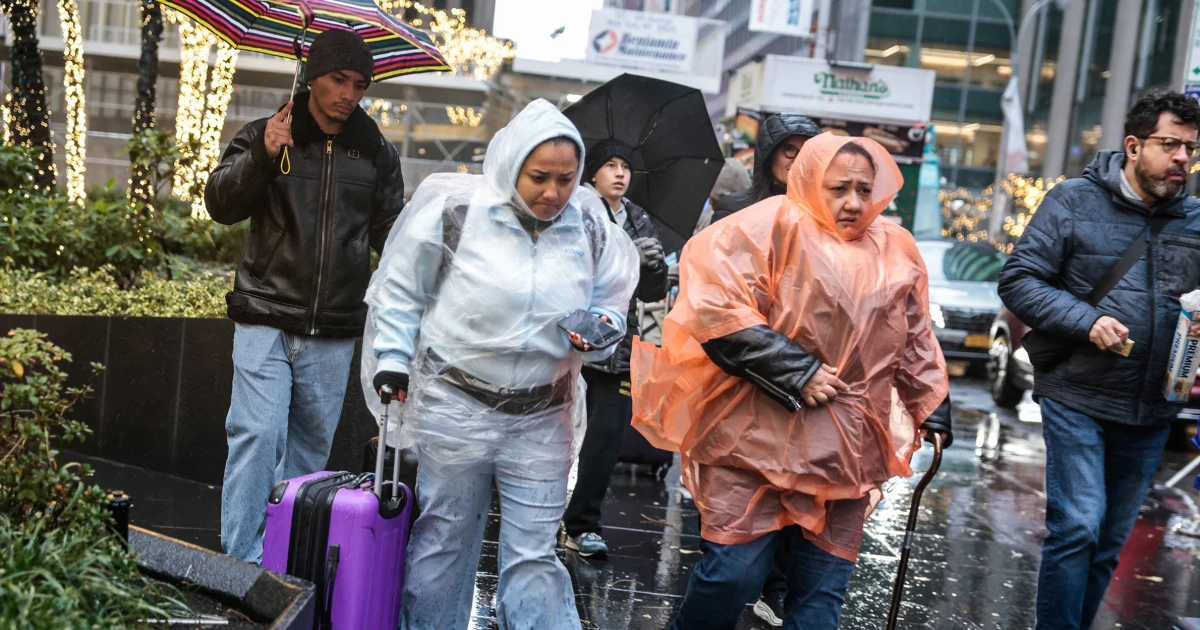
A powerful holiday storm system swept across the eastern United States, upending Thanksgiving travel plans and leaving hundreds of thousands of residents without electrical power. The severe weather unleashed a punishing combination of torrential rainfall, damaging wind gusts, and accumulating snow as millions of Americans attempted to reach holiday gatherings. Ground transportation and commercial aviation networks were thrown into widespread disarray as the storm disrupted critical transit corridors.
Utility infrastructure across multiple regions buckled under the strain of the tempest, resulting in extensive blackouts that stretched across several states. Severe winds sent mature trees crashing into residential homes and brought down primary transmission lines, posing immediate dangers to suburban neighborhoods. Repair crews mobilized quickly, though hazardous winds and blocked roads frequently hampered their initial response efforts.
As the disturbance tracked into the Northeast, it took on the destructive characteristics of a formidable Nor'easter, driving intense coastal winds and heavy precipitation across already saturated ground. Meteorologists tracked the storm's steady northeastward progression, warning that the system would deliver sustained squalls and deteriorating conditions through the peak of the holiday period. The combination of falling temperatures and intense pressure gradients heightened the risk of structural damage.
Along coastal areas, the arrival of the storm coincided with astronomical king tides, worsening the severity of coastal flooding and swamping waterfront communities. Persistent onshore gales drove seawater into low-lying streets, inundating downtown areas and rendering several shoreline roads impassable. Residents in vulnerable coastal zones were forced to contend with encroaching water levels that threatened vehicles and waterfront properties.
The Mid-Atlantic felt the brunt of the storm's heavy precipitation, leaving regions such as the Baltimore metropolitan area thoroughly soaked after hours of relentless downpours. Downed trees and snapped branches triggered scattered power outages across local neighborhoods, forcing municipal crews to clear blocked arteries. Emergency services fielded numerous calls regarding hazardous road obstructions and localized urban drainage backups.
Further inland and across northern sectors of the system, falling temperatures transformed the heavy moisture into accumulating snow and sleet. The winter conditions sharply reduced driver visibility and blanketed major interstates in slush and ice, dramatically slowing vehicular traffic. Highway patrols urged extreme caution as slick pavement and sudden squalls raised the risk of collisions on crowded travel routes.
The timing of the weather system exacerbated an already tense travel period, striking when transportation volume historically peaks nationwide. Flight delays mounted at major regional hubs as ground stops and high crosswinds restricted runway operations, leaving air travelers stranded or rerouted. Those traveling by car encountered extended delays, hazardous detours, and sporadic fuel outages in communities affected by grid failures.
Power companies dispatched mutual assistance teams and extra utility workers to begin the painstaking process of rebuilding damaged circuits and replacing downed poles. However, utility officials noted that full restoration would require time, particularly in heavily forested areas where fallen timber complicated access to damaged lines. Priority was given to clearing critical infrastructure, emergency medical facilities, and main transit routes before addressing localized residential circuits.
Regional authorities and meteorological agencies maintained active alerts across coastal and interior corridors, warning the public that hazards would persist even as the storm center gradually pushed offshore. Residual high tides, lingering winds, and icy roads were expected to challenge travelers attempting return journeys following the holiday. Officials continued to urge residents to remain vigilant, monitor local updates, and avoid downed power lines while recovery efforts remained underway.
Primary source: Google News U.S.. Newzly rewrites and structures source reporting for clarity; verify critical details at the original.