Sikkim BJP flags 13-year company law gap, warns of start-up and investment risk
The Sikkim unit of the BJP has warned that a company-law gap it puts at 13 years could slow start-ups and outside investment in the Himalayan state, India Today NE reported.
In this piece
Sikkim’s BJP has flagged what it calls a 13-year gap in company law and warned of consequences for start-ups and investment, according to India Today NE. The…
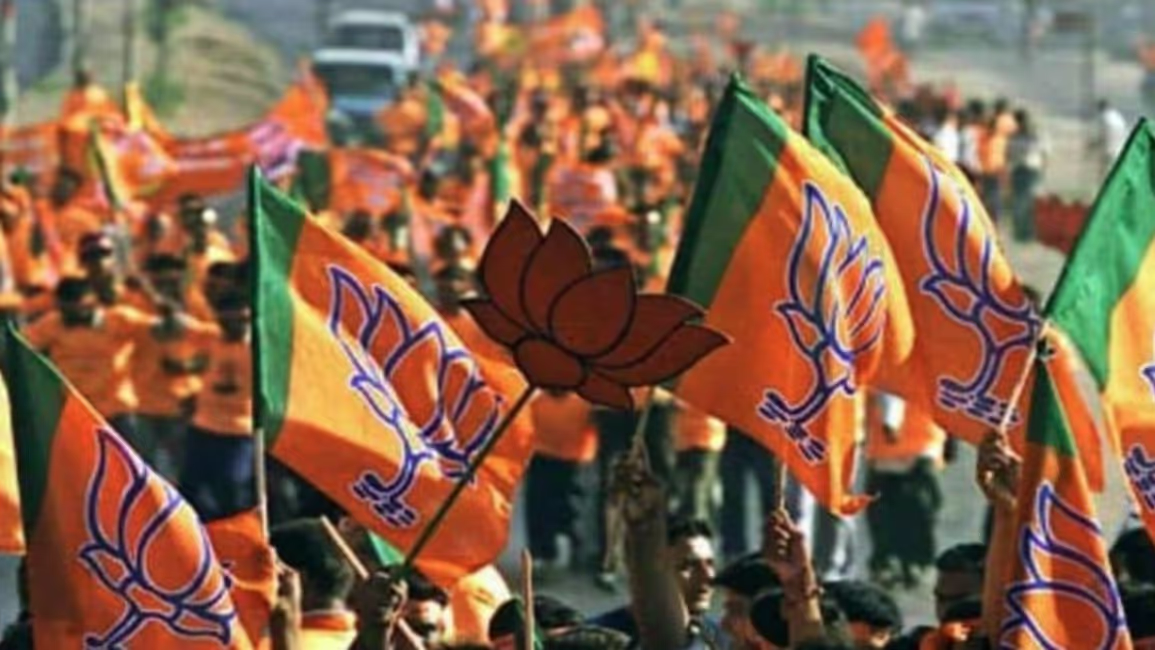
The Bharatiya Janata Party’s Sikkim unit has flagged what it describes as a 13-year gap in company law and warned that the shortfall could weigh on start-ups and investment in the state, according to a report by India Today NE.
The account, carried in news listings for Sikkim, presents the party’s warning in brief. The material available with that report does not set out the precise statutory provision at issue, name the leaders who raised it, or quote a formal memorandum to the government.
A span of 13 years running back from late 2026 lines up with the period since Parliament enacted the Companies Act, 2013, the statute that now anchors how companies are formed, governed and wound up across much of India. Whether the Sikkim BJP is pointing to delayed application of that Act, a missing state-level adaptation, or another compliance hole is not spelled out in the brief report.
Company law is the rulebook for limited-liability businesses. It covers incorporation, director duties, share capital, filings and the protections investors expect when they put money into a firm. Where those rules are unclear or unevenly available, founders can struggle to register entities that outside investors recognise, and lenders may treat local firms differently from companies elsewhere in the country.
Start-ups are especially exposed to that kind of uncertainty. Early ventures often rely on a standard corporate form to issue shares, bring in co-founders, open bank accounts and sign contracts with customers beyond the state. A political warning that ties a long-running legal gap to investment is, at root, an argument about whether Sikkim firms can use those ordinary channels without extra friction.
Sikkim, a Himalayan state in India’s northeast, has long presented tourism, hydropower and smaller industry as pillars of its economy. Public argument over company-law coverage matters because private capital, including money that backs new firms, usually looks first at whether a place offers a familiar and enforceable corporate regime. The India Today NE item does not cite investment totals or a count of affected companies.
The issue also sits beside a wider question about how central economic laws operate alongside Sikkim’s distinct constitutional arrangements. Article 371F of the Constitution records special provisions linked to the state’s merger with India, and those provisions have shaped how some national laws are extended or adapted. The available report does not say the BJP invoked Article 371F, so any connection remains background rather than a claim the party is quoted as making.
For founders already working in the state, the practical questions are narrower than the political headline: which registrar they file with, which annual-compliance calendar applies, and whether investors’ lawyers will accept a Sikkim-incorporated entity without extra structuring. None of those operational details appears in the short item.
India Today NE’s report, as reflected in the listing, frames the intervention as a warning rather than as a bill, a court case or a government notification. No response from the Sikkim government or the Union ministry that handles corporate affairs is included, and no timeline for a legislative or administrative fix is given.
What follows will depend on whether the party’s warning is backed by a detailed representation, a clarification from the authorities, or a move to align company-law practice in the state with the framework used elsewhere. Until a fuller account or an official reply is public, the scale of the gap and the size of any effect on start-ups and investment remain assertions by the Sikkim BJP, not independently measured findings.
Primary source: Google News Sikkim. Newzly rewrites and structures source reporting for clarity; verify critical details at the original.