Sikkim to Raise Vehicle Entry Fees at Nathula, Tsomgo Lake and Baba Mandir From 2027
Sikkim will raise vehicle entry fees for Nathula, Tsomgo Lake and Baba Mandir from 2027, NDTV reported. The notice available here does not list the new rates or the official order behind the change.
In this piece
NDTV reports that Sikkim will increase vehicle entry fees for Nathula, Tsomgo Lake and Baba Mandir beginning in 2027. The three sites form a closely linked…
Sikkim will raise vehicle entry fees for Nathula, Tsomgo Lake and Baba Mandir from 2027, NDTV reported. The three destinations sit on one of the state's best-known high-altitude tourist circuits, and a change in vehicle charges would touch day trips that operators routinely sell together.
The report, carried through a Google News listing attributed to NDTV, states that the higher fees take effect from 2027. The headline and summary available for this article do not give the revised amounts, the vehicle categories covered, or the date of any government notification. Those details should be treated as unconfirmed until the official schedule is published or the full report is checked.
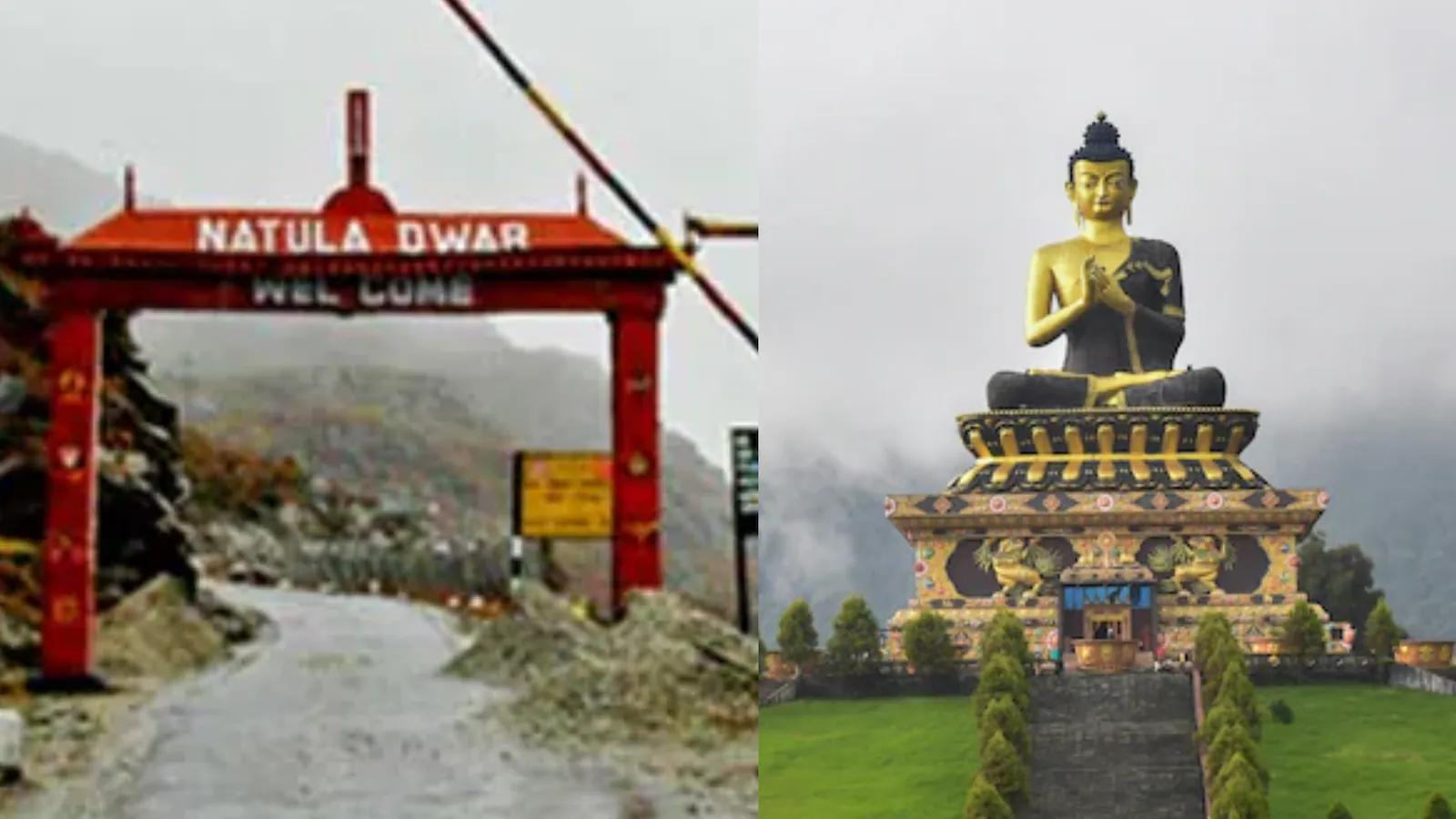
Nathula is a mountain pass on the Sikkim side of the India-China border and has long been a controlled tourist destination rather than an open public road. Visitors generally travel under permit rules set by the state and security agencies. Tsomgo Lake, also widely known as Changu Lake, is a glacial lake on the same upland route and is usually reached by road from Gangtok. Baba Mandir is a shrine associated with Baba Harbhajan Singh, an Indian Army soldier whose memorial has become a standard stop for many of the same visitors.
Because the three places are commonly visited on a single excursion, a vehicle entry fee is often a practical part of the trip rather than a separate charge at each stop. Tour operators, taxi drivers and travellers planning 2027 itineraries will want to know whether the increase applies once per vehicle for the circuit or at each site, and whether it differs by vehicle type. None of that structure is set out in the source material used here.
Sikkim's tourism economy depends heavily on short, permit-based trips into the eastern highlands. Road access, weather windows and daily visitor limits already shape how many vehicles can reach the lake and the pass. An entry-fee change would sit on top of those constraints. It would matter to local transport providers who price packages around permits, fuel and mandatory charges, and to visitors comparing Sikkim trips with other Himalayan circuits.
Authorities in mountain states often use entry fees to manage crowding, fund road and waste services, and limit pressure on fragile lakes and border zones. Whether that is the rationale in this case is not stated in the NDTV headline available here. It would be speculative to assign a motive, a revenue target or an environmental finding to the decision without the notification.
The timing — from 2027 rather than immediately — gives tour companies and travellers a planning window if the report is accurate. Bookings for the following season are often made months ahead, and published package rates may need to be revised once the new schedule is official. Until then, current fees remain the only figures operators can responsibly quote.
No official comment, minister's statement or tourism-department quote appears in the material reviewed for this article. Readers should look to the Sikkim government or the full NDTV report for the fee table, the legal instrument and any exemptions, including whether local residents, defence vehicles or particular permit classes are treated differently.
What happens next is a matter of publication and implementation. If the state has issued or soon issues an order, the operative document will define the rates, the start date in 2027 and the points at which vehicles are charged. Travellers and operators planning Nathula, Tsomgo Lake or Baba Mandir trips after that date will need those figures before locking prices.
Until the schedule is public in full, the confirmed point is narrow: NDTV has reported that Sikkim is raising vehicle entry fees at Nathula, Tsomgo Lake and Baba Mandir from 2027. The size of the increase, and the reasons the state has given for it, are not established in the source used for this account.
Primary source: Google News Sikkim. Newzly rewrites and structures source reporting for clarity; verify critical details at the original.