Smithsonian Highlights Overlooked Histories in 2026 Book Picks
Smithsonian History’s selection of the year’s ten best history books emphasizes overlooked stories and works examining how the United States arrived at its present circumstances.
In this piece
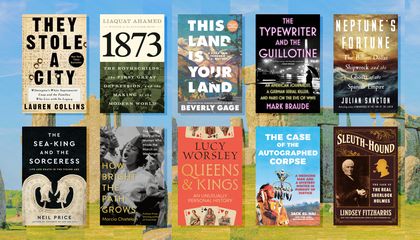
Smithsonian History’s “The Ten Best History Books of 2026” highlights titles that recover overlooked histories and explore the United States’ path to the…
Smithsonian History has presented its selection of “The Ten Best History Books of 2026,” describing its favorites as works that recover overlooked histories and examine how the United States reached its present circumstances. The accompanying description places historical rediscovery and the roots of contemporary America at the center of the list.
The selection is framed as a collection of the publication’s favorite titles of the year, rather than a sales ranking or an award announcement. That distinction matters for readers: the headline expresses an editorial judgment about books, while the supplied material offers no methodology for comparing them or determining their inclusion.
The emphasis on overlooked histories points to an interest in accounts that have received less attention in familiar narratives of the past. However, the description does not identify the people, communities, events or periods explored, so it cannot establish precisely which gaps these books seek to address or what evidence they bring forward.
A second stated theme is the relationship between American history and the country’s current condition. By describing books that examine how the United States ended up where it is today, Smithsonian frames historical reading as a way to understand the present, although the supplied text names no particular contemporary issue or historical explanation.
Those two themes offer readers a broad guide to the selection’s interests without providing a book-by-book account. Recovering a neglected subject and reconsidering a familiar national story are distinct historical tasks; the brief description does not indicate whether individual titles pursue one of these approaches or combine both.
The available source material is limited to the headline and a short description, with the same wording appearing in both the supplied summary and article content. It contains no book titles, authors, publishers, publication dates or excerpts from the individual recommendations, leaving the substance of the ten selections unavailable for a detailed assessment here.
That limitation is especially relevant to anyone using the list to decide what to read or purchase. The overview establishes the editorial focus, but it does not support recommendations for a particular reader, comparisons between books or conclusions about the scholarship, accessibility or arguments of any individual title.
For now, the clearest takeaway is Smithsonian History’s stated emphasis on bringing overlooked pasts into view and connecting American history to the present. Readers seeking the actual recommendations will need to consult the full selection for the names and accompanying assessments; the supplied description alone does not establish which books made the list or why each was chosen.
Primary source: Smithsonian History. Newzly rewrites and structures source reporting for clarity; verify critical details at the original.