Smithsonian Magazine Names the Ten Best History Books of 2026
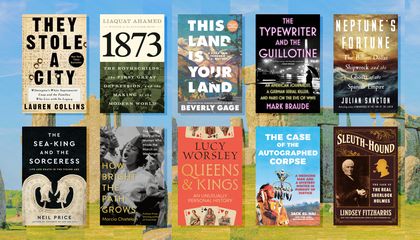
Smithsonian Magazine has unveiled its list of the ten best history books of 2026, spotlighting titles that revive overlooked narratives and explain how modern America took shape.
In this piece
Smithsonian Magazine released its selection of the ten best history books of 2026. The curated lineup focuses on overlooked historical narratives and examines…
Smithsonian Magazine has released its annual curated list of the top ten history books of 2026, highlighting a diverse collection of non-fiction works that revisit neglected chapters of the past. The publication's year-end selections emphasize rigorous scholarship designed to help readers understand the modern United States through critical reassessments of earlier historical eras.
According to the publication, the featured titles share a common commitment to resurrecting overlooked historical accounts and bringing marginalized voices back into public view. Rather than centering exclusively on familiar landmark events or well-documented leaders, the authors highlighted on the list explore underrepresented episodes that shaped national development.
A central objective across the chosen volumes is examining the historical origins of contemporary American society and politics. The works analyze long-term trajectories across centuries, connecting structural, institutional, and social transformations from the country's founding centuries to the specific national challenges and debates visible today.
Curated book selections from prominent cultural organizations like the Smithsonian frequently serve as barometers for the broader state of non-fiction literature and academic inquiry. Such roundups provide general readers with an accessible gateway into rigorous archival research, bridging the gap between university presses and the mainstream reading public.
The 2026 selections reflect an ongoing shift within contemporary historiography toward re-evaluating foundational narratives and traditional textbooks. In recent years, professional historians and narrative journalists have increasingly prioritized archival discoveries, regional community histories, and grassroots movements over standard heroic biographies.
This thematic approach has gained significant traction amid heightened public discussions surrounding historical memory, national identity, and educational curricula. By illuminating neglected perspectives, the recognized titles provide readers with nuanced analytical tools to better understand how cultural conflicts, economic systems, and civic ideals have evolved over generations.
As one of the world's preeminent museum and research complexes, the Smithsonian Institution carries notable cultural weight through its editorial recommendations. Inclusion on its annual historical book roster often boosts visibility for specialized authors, directing attention to critical research that might otherwise be overshadowed in a crowded commercial marketplace.
Literary commentators and educators frequently rely on these institutional assessments to update reading lists, academic discussions, and library collections. The continued enthusiasm for deeply researched non-fiction underscores a persistent public appetite for thoughtful, evidence-based explorations of the past, particularly during moments of national reflection and cultural reassessment.
Looking ahead, the publication's top selections of 2026 are poised to influence reading circles, scholarly debates, and historical discussions well into the coming year. As the literary calendar moves forward, these works stand as reminders that uncovering unrecorded histories remains an ongoing and indispensable process for understanding both the present and the future.
Primary source: Smithsonian History. Newzly rewrites and structures source reporting for clarity; verify critical details at the original.