Smithsonian’s 2026 History Book Picks Explore Overlooked Stories
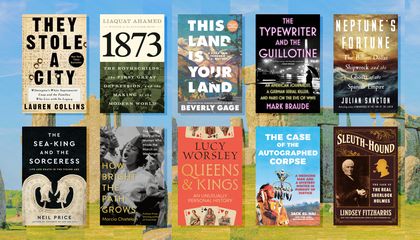
Smithsonian History’s “The Ten Best History Books of 2026” highlights works that recover overlooked histories and examine how the United States arrived at its present circumstances.
In this piece
Smithsonian History has framed its 2026 history-book selections around overlooked stories and the historical forces shaping the United States today. The…
Smithsonian History’s “The Ten Best History Books of 2026” presents a reading list centered on recovering overlooked histories and examining how the United States reached its current circumstances. The publication describes the selections as its favorite titles of the year, linking an interest in neglected stories with questions about the country’s development.
The overview establishes two broad priorities rather than detailing the individual selections. One is to bring overlooked histories into view; the other is to consider the relationship between the American past and the present. Those themes provide the collection’s stated focus, although the supplied material does not explain how each selected book addresses them.
The emphasis on overlooked history raises questions about what receives attention in accounts of the past. Historical writing can revisit familiar subjects from a different perspective or introduce readers to experiences they have not previously encountered. Smithsonian’s brief description does not specify which approach the selected authors take, or whose histories the books seek to recover.
The collection’s second theme gives the list a contemporary frame: understanding how the United States ended up where it is today. That framing invites readers to consider present circumstances through historical inquiry rather than in isolation. However, the overview does not identify particular events, institutions or developments as the books’ shared subjects, so more specific conclusions would go beyond the available information.
The title’s designation of ten “best” books is paired with the publication’s description of them as its favorites. That wording presents the collection as an editorial recommendation, not a comprehensive inventory of the year’s historical scholarship. The supplied text does not describe selection criteria, identify the selectors or explain whether the books appear in a ranked order.
For readers, the stated themes offer a starting point for deciding whether the collection matches their interests. Someone seeking history that connects neglected subjects with broader questions about the United States may find the editorial premise relevant. Assessing any individual recommendation, however, requires the book titles and descriptions that are absent from the supplied overview.
That limitation also leaves the scope of the collection unresolved. The available material does not establish which periods the books cover, whether all ten focus on the United States or how their arguments differ. It would therefore be premature to describe the list as representing a particular historical interpretation or a broader publishing trend.
The full selections are the next point of reference for readers looking to move from the collection’s premise to specific books. For now, Smithsonian History’s stated outlook is clear but broad: its favorites aim to bring overlooked histories to readers’ attention while helping them consider the historical background to the United States today.
Primary source: Smithsonian History. Newzly rewrites and structures source reporting for clarity; verify critical details at the original.