Smithsonian’s 2026 History Book Picks Spotlight Overlooked Stories
Smithsonian History’s selection of the year’s 10 best history books emphasizes overlooked histories and the forces that helped shape the United States, according to the feature’s brief description.
In this piece
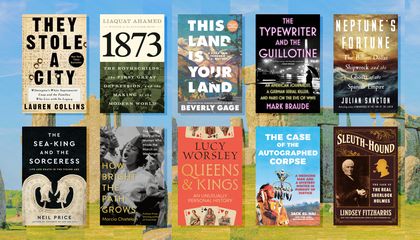
Smithsonian History’s “The Ten Best History Books of 2026” highlights books that recover overlooked histories and explore how the United States reached its…
Smithsonian History’s “The Ten Best History Books of 2026” puts overlooked histories and the roots of the contemporary United States at the center of its annual reading selection. The feature’s description presents the books as works that recover neglected stories while examining how the country arrived at its current circumstances.
The selection is framed as a collection of editorial favorites, with the description calling the books “our favorite titles of the year.” That wording distinguishes the feature as a set of recommendations rather than a sales ranking or a claim that these are the only significant historical works published during the year.
Two connected priorities emerge from the brief introduction: broadening the historical record available to readers and using the past to understand the present. The first directs attention toward histories that have received insufficient notice; the second asks readers to consider the developments behind the United States they recognize today.
Those priorities give the feature a scope beyond recommending books solely for their subjects or storytelling. As described, the selection invites readers to think about both what has been missing from familiar accounts and what historical inquiry can contribute to an understanding of present circumstances. The excerpt does not specify how individual books address either question.
The emphasis on overlooked histories is also an important qualification of the feature’s approach. It signals an interest in bringing less familiar material to a wider readership, but the supplied text does not identify the people, events or experiences involved. Assigning particular communities, periods or historical arguments to the selection would therefore go beyond the available information.
The focus on how the United States reached the present similarly establishes a broad theme rather than a detailed explanation. The description does not say whether the chosen works concentrate on politics, social life, economics or other subjects. It also does not establish whether all 10 books concern the United States or whether some provide a wider frame of reference.
For readers deciding what to read, the distinction between that overarching theme and the individual recommendations matters. The supplied material includes the feature’s title and short description, but no book titles, author names, publication details or individual assessments. It consequently supports an account of the selection’s editorial direction, not a book-by-book guide or a comparison of its recommendations.
The full feature is the place to look for the specific selections and Smithsonian’s reasons for including them. On the information provided, its central proposition is clear: the year’s recommended history reading offers an opportunity to encounter neglected accounts and reconsider the historical foundations of the contemporary United States.
Primary source: Smithsonian History. Newzly rewrites and structures source reporting for clarity; verify critical details at the original.