Snow Begins Falling in Mid-Missouri, Threatening Thanksgiving Travel
Snow began falling across mid-Missouri ahead of Thanksgiving on Wednesday, creating slick road conditions and threatening holiday travel across major corridors including Interstate 70 as transportation crews responded.
In this piece
Snow began falling across parts of mid-Missouri ahead of Thanksgiving, threatening holiday travel along major routes including Interstate 70. Transportation…
Snow began falling across portions of mid-Missouri on Wednesday ahead of Thanksgiving, bringing early accumulations and raising immediate concerns for holiday travel. Local meteorological tracking by KOMU 8 indicated that precipitation started transitioning into snow across several central and eastern counties, leading to deteriorating visibility. Transportation crews and emergency managers closely watched the expanding bands of snowfall as traffic volumes swelled ahead of the long holiday weekend.
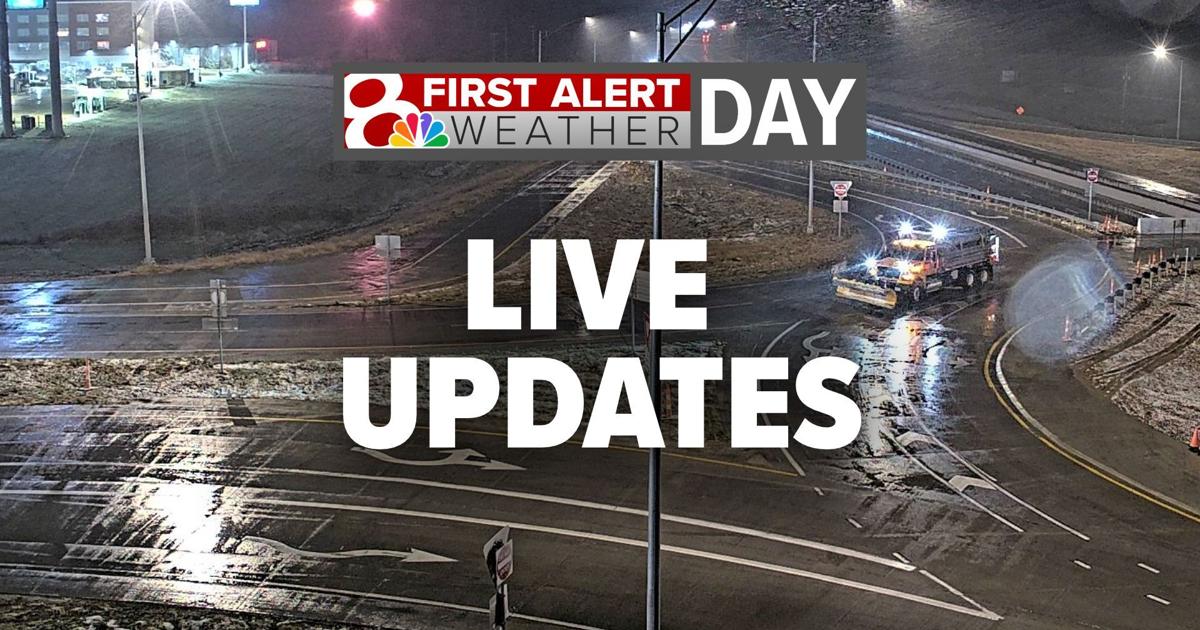
Traffic cameras and regional monitoring systems showed winter conditions taking hold along major thoroughfares, including vital segments of Interstate 70. The Missouri Department of Transportation cautioned that falling ground temperatures and steady precipitation could rapidly create slick spots, slushy patches, and reduced tire traction on highway surfaces. Maintenance crews prepared equipment to salt and clear high-priority corridors as the initial accumulation gathered along roadway shoulders.
The storm system developed with noticeable geographic variability across the state, according to broadcast forecasts and regional tracking. While western and central sections of mid-Missouri experienced lighter snow showers, communities situated further to the east encountered heavier bursts capable of coating highway lanes more rapidly. Forecasters noted that localized accumulation rates could vary widely across short distances depending on temperature fluctuations and precipitation intensity.
The timing of the snowfall added significant complexity to travel logistics, coinciding directly with one of the most heavily traveled periods of the year. Millions of motorists across Missouri and the wider Midwest took to regional highways to reach family gatherings and holiday destinations. Public safety officials warned that even light accumulations during peak travel hours could precipitate severe congestion and chain-reaction traffic incidents.
State highway patrols and municipal agencies increased monitoring across key transit arteries as snow began sticking to untreated road surfaces. Officials repeatedly urged drivers to check current travel condition maps before departing and to adjust their speeds to match prevailing weather rather than posted limits. Motorists were also instructed to maintain generous following distances behind state snowplows and emergency response vehicles operating along the interstate.
Meteorological analyses showed the winter system was driven by an advancing cold front interacting with an incoming corridor of atmospheric moisture across the central United States. As cold air settled into lower atmospheric layers, scattered rain showers transitioned rapidly into steady snowfall across central Missouri counties. Weather observers noted that the sharp temperature drop could cause wet pavement to freeze quickly as dusk settled.
Transportation authorities stressed that bridges, overpasses, and rural bypasses posed the highest risk for sudden icing during the early stages of the event. Drivers planning evening or overnight trips were advised to equip their vehicles with basic winter survival supplies, including heavy blankets, flashlights, water, and fully charged mobile devices. Authorities emphasized that preparedness is essential when traveling through rural corridors where roadside assistance might face weather-related delays.
Beyond highway travel, regional transit networks and travelers bound for major commercial airports monitored schedules for potential cascading delays. Major connecting aviation hubs across the Midwest remained alert to changing visibility and runway clearing operations that could disrupt holiday flight rosters. Rail and regional bus lines similarly advised passengers to confirm departure schedules before heading to stations.
Meteorological forecasts indicated that the snow bands would gradually taper off as the storm system tracked further eastward across the region. A colder and breezier air mass was expected to settle in behind the departing system, keeping road conditions potentially hazardous into Thanksgiving morning. State agencies urged residents and visitors alike to exercise continued vigilance, monitor updated weather bulletins, and postpone nonessential travel until road crews complete clearance operations.
Primary source: Google News Missouri. Newzly rewrites and structures source reporting for clarity; verify critical details at the original.