Sofia Coppola Reflects on Leadership and Vulnerability in Behind-the-Scenes Versailles Documentary
Two decades after filming at Versailles, Sofia Coppola revisits her mother’s archival footage in a documentary that explores the pressures of steering a lavish production surrounded by male crews.
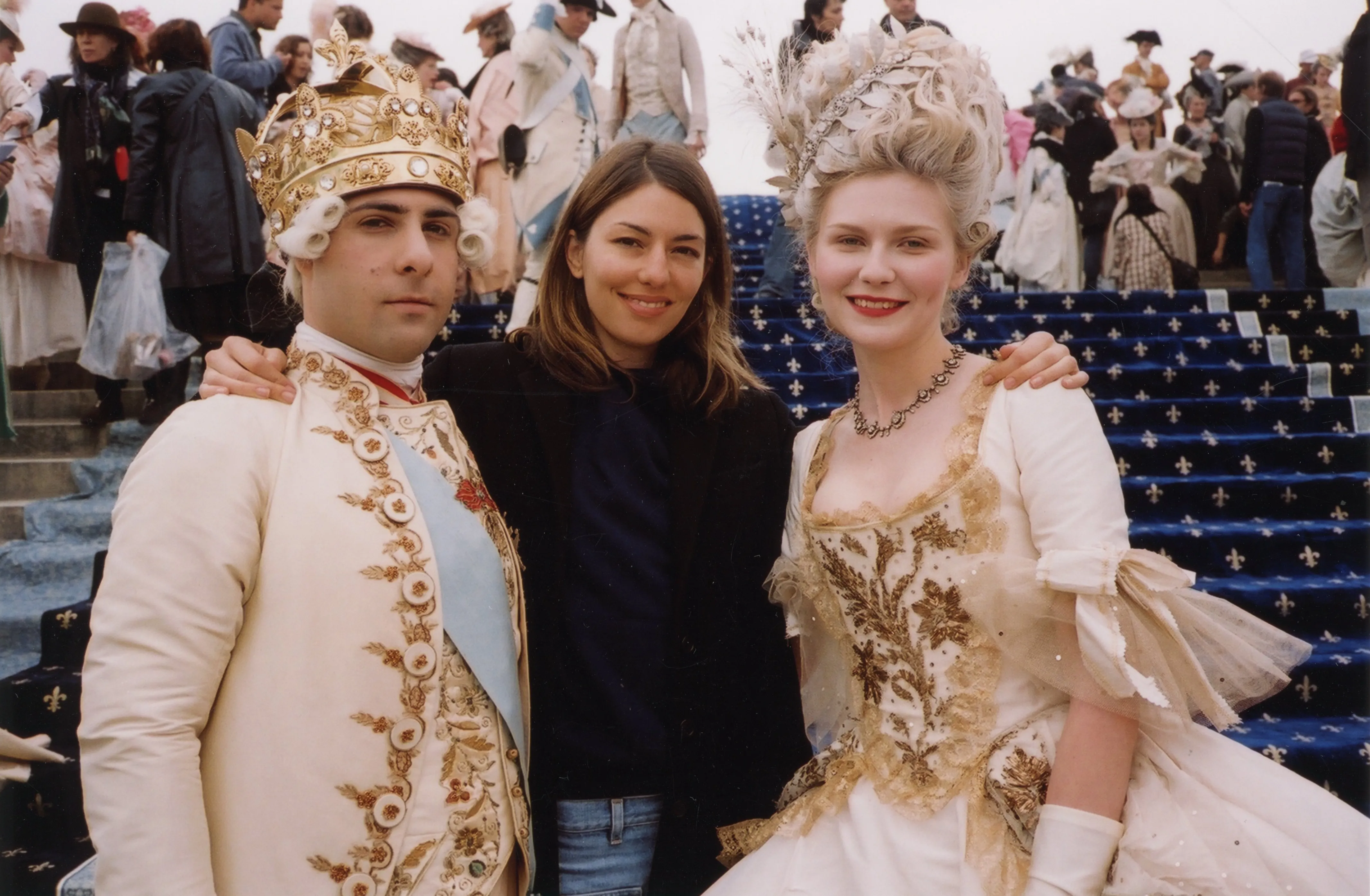
Filmmaker Sofia Coppola is offering an unvarnished look into the creation of her 2006 historical drama as the documentary Making Marie Antoinette arrives in theaters. Compiled from dozens of hours of behind-the-scenes footage captured by her late mother, Eleanor Coppola, the film provides an intimate record of an ambitious production on location at the Palace of Versailles. In candid reflections on the project, the director addressed the emotional friction of watching her younger self handle the mounting pressures of an expansive studio shoot.
The foundation of the documentary rests on roughly eighty hours of footage filmed during the 2005 shoot in France. For years, the archival material remained largely unedited in private storage, save for brief promotional excerpts assembled for early home video editions. During the pandemic lockdown in 2020, mother and daughter began cataloging the material to shape an archival feature, a process Coppola carried across the finish line following Eleanor Coppola's death in 2024.
Revisiting those early professional moments proved both illuminating and humbling for the Oscar-winning filmmaker. Coppola noted that watching her thirty-four-year-old self work through complex logistics occasionally stirred feelings of embarrassment and vulnerability. Rather than presenting a polished facade of unbroken composure, the captured footage reveals a young director working through real-time doubts while managing a monumental historic setting.
At the time of filming, Coppola arrived at Versailles with two acclaimed independent features under her belt, yet she faced an unprecedented scale and a crew predominantly composed of men. Balancing the lavish scope of the production required establishing authority in environments where female leadership remained relatively rare on major period productions. The documentary highlights how she leaned into a quiet, collaborative method of directing rather than adopting performative bravado to command the room.
The original 2006 feature starred Kirsten Dunst and Jason Schwartzman, blending eighteenth-century royal aesthetics with modern post-punk music and contemporary youth culture. Although initial critical reaction was famously divided, particularly among traditionalists after its Cannes debut, the film has undergone extensive critical reappraisal in subsequent decades. The documentary illuminates how steadfastly Coppola defended that distinct stylistic vision amid external skepticism from industry observers.
Beyond serving as a production diary, the documentary functions as a tender record of the artistic relationship between mother and daughter. Eleanor Coppola, who previously chronicled the turbulent production of Apocalypse Now, brought an observational and deeply personal eye to the Versailles grounds. Voiceover narration featuring excerpts from Eleanor's private journals, voiced by actor Diane Lane, anchors the narrative in maternal reflection.
For contemporary audiences, the film provides rare insight into alternative modes of cinematic leadership. Coppola has emphasized that showing hesitation or processing creative decisions in real time does not diminish an artist's command or resolve. By allowing those exposed moments to remain in the final cut, she hopes to demystify the filmmaking process for younger directors encountering their own professional intimidation.
Distributed by Mubi to coincide with the twentieth anniversary milestones of the original production, the documentary is finding an eager audience among cinephiles and industry historians. The release concludes a multi-year effort to preserve Eleanor Coppola's final directorial credit and honor her observational filmmaking legacy. As the film rolls out in theaters, it stands as both an enduring family artifact and an honest case study in creative endurance.
Primary source: Variety. Newzly rewrites and structures source reporting for clarity; verify critical details at the original.