Solo Bitcoin Miner Wins $190,000 Reward Against 130 Million-to-One Odds
An independent bitcoin miner hashing at just eight terahashes per second overcame 130 million-to-one odds to secure a $190,000 block reward, highlighting a rare victory for hobbyists amid challenging industry economics.
In this piece
A solo bitcoin miner operating with just 8 TH/s of computing power hit a $190,000 jackpot after solving a valid block against 130 million-to-one odds. The…
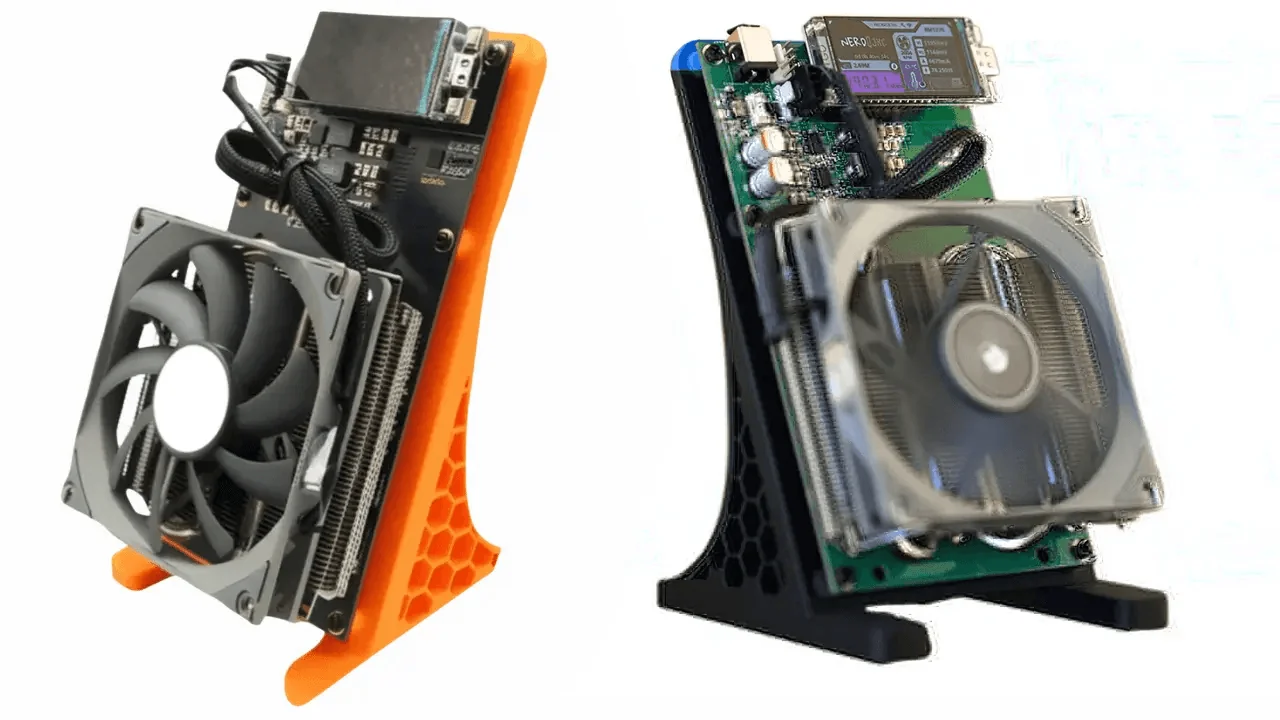
A solo bitcoin miner operating with an exceptionally small computational setup defied astronomical odds on Sunday to capture a block reward valued at approximately $190,000. According to reporting from Bitcoin.com News, the independent operator was hashing at an estimated rate of just eight terahashes per second when validating the block. The rare event highlights how the probabilistic nature of the Bitcoin network can occasionally deliver windfalls to minimal hardware setups.
The miner solved the block against calculated odds of approximately 130 million to one. In a network environment dominated by massive corporate data centers collectively generating hundreds of exahashes per second, finding a valid block hash with only eight terahashes represents an extreme statistical anomaly. To put the scale in perspective, a single modern industrial mining rig often outputs dozens or hundreds of times more hashing power on its own.
Under the proof-of-work protocol governing Bitcoin, participating machines compete to solve cryptographic puzzles that process pending transactions and append new blocks to the blockchain. Because solving a block independently is statistically improbable for small operators, most participants connect their hardware to centralized mining pools. These pools aggregate computing power from thousands of devices to ensure participants receive regular, incremental payouts based on their contributed hash rate.
By opting to operate independently, a solo miner chooses to bypass pool coordination and forgo predictable, small payouts. The vast majority of solo miners with modest equipment never generate a return on their electrical or hardware investments. However, when an independent machine successfully discovers a valid block, the entire block subsidy along with transaction fees is awarded directly to the operator without pool commission deductions.
This unexpected windfall arrives amid significant headwinds for the broader digital asset mining industry. Commercial operators have spent recent months navigating compressed profit margins caused by depressed cryptocurrency prices alongside elevated energy tariffs. The punishing economic climate has forced many firms to curtail expansion plans, retire older machinery, and optimize efficiency across facilities worldwide.
Despite these broader sector pressures, Sunday's discovery marks the latest in a noticeable string of improbable victories by individual hobbyists. Market commentators have observed a handful of similar low-hash-power occurrences in recent quarters, sparking intrigue across the cryptocurrency community. While these moments do not alter structural industry dynamics, they capture widespread attention as modern digital lottery equivalents.
The computational benchmark of eight terahashes per second suggests the miner may have been utilizing an older generation ASIC unit or a scaled-down domestic device. Statistically, running such modest hardware alone would typically require decades of continuous hashing before having an even chance of solving a block. The discovery underscores how every valid hash generated on the network maintains the identical mathematical probability of satisfying difficulty parameters, irrespective of operator size.
Beyond the immediate financial reward, the event reinforces the open-access principles embedded in proof-of-work consensus. Even as mining continues to institutionalize with public corporations and industrial-scale infrastructure, the underlying software makes no distinction regarding the identity or capitalization of participating nodes. Anyone running compliant software retains the technical right to broadcast valid blocks directly to the distributed ledger.
Looking ahead, the ongoing trajectory of network difficulty and expanding global hash power will likely make standalone discoveries even rarer over time. As competition stiffens, the mathematical threshold for small-scale participants will continue to climb. Nonetheless, Sunday's outcome proves that as long as the protocol remains permissionless, individual miners will continue attempting to beat the odds.
Primary source: Bitcoin.com News. Newzly rewrites and structures source reporting for clarity; verify critical details at the original.