world·Delhi·New Delhi District
Sonia Gandhi's Ancestral Home in Italy Converted into Museum
The childhood residence of former Congress president Sonia Gandhi in Lusiana, Italy, has been turned into a museum by an Indian-origin businessman, drawing visitors from India and abroad.
In this piece
The ancestral home of former Congress chief Sonia Gandhi in Lusiana, Italy, has been turned into a museum by an Indian-origin businessman. Featuring a…
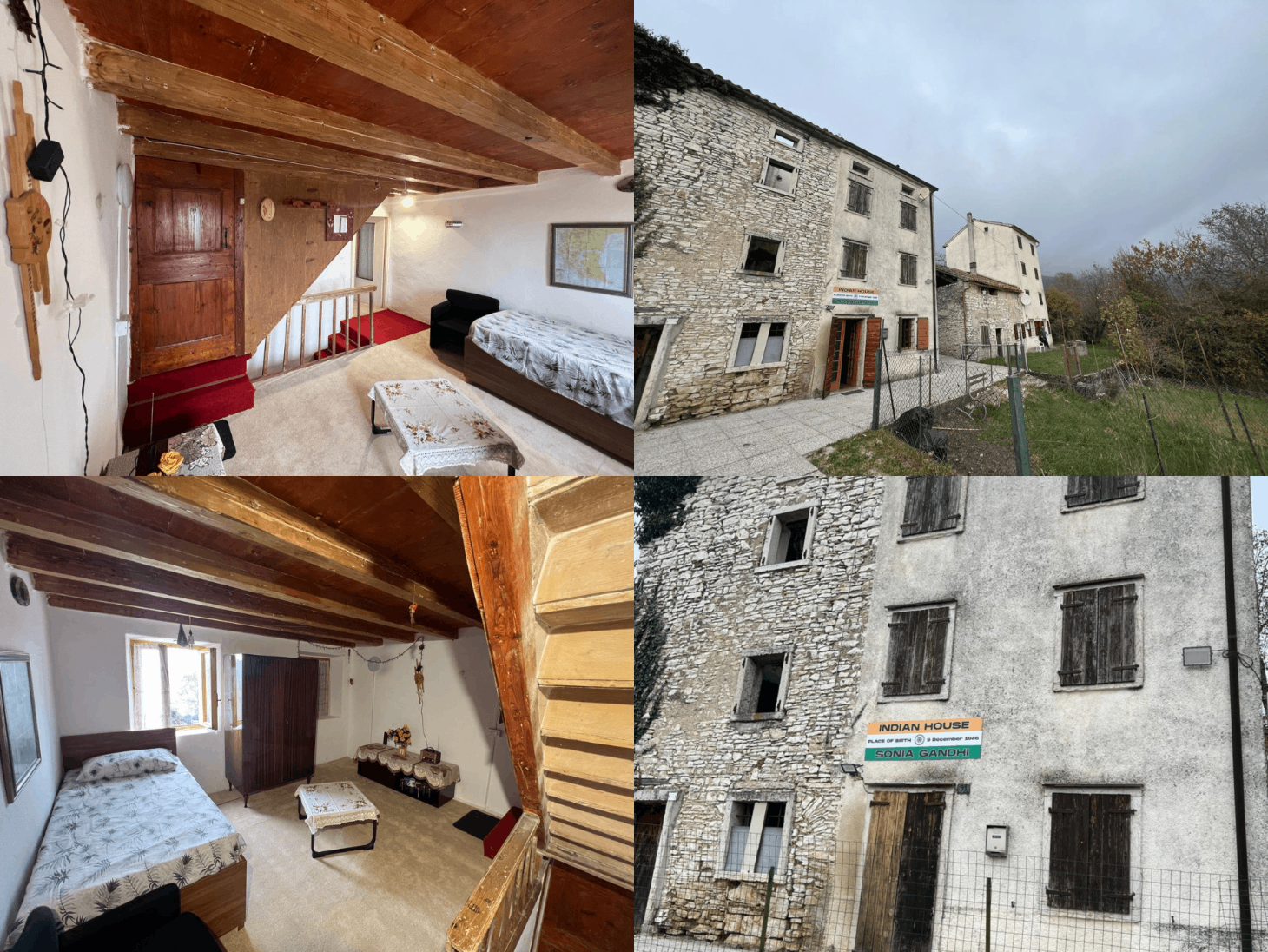
The ancestral childhood home of former Congress party president Sonia Gandhi in northern Italy has been converted into a museum by its current Indian-origin owner. Located in the picturesque village of Lusiana in the Veneto region, the property has begun attracting visitors, including Indian tourists traveling through Europe.
The historic six-room residence was purchased in 2020 by Sukhdev Singh Kang, an Indian businessman who has lived and worked in Italy for several years. Rather than leasing the house or developing it commercially, Kang and his family chose to preserve its unique historical significance linked to one of India's most prominent political figures.
After securing the necessary municipal permissions from local Italian authorities, the owners officially dedicated the premises to chronicling Gandhi's early life and heritage. A commemorative plaque mounted outside the building now identifies the site as the "Indian House" and notes her birth in the village on December 9, 1946.
Kang has publicly extended an open invitation to Sonia Gandhi, along with her children Rahul Gandhi and Priyanka Gandhi Vadra, to visit the ancestral property. He has also expressed a desire to connect with the family to receive archival photographs, letters, or historical memorabilia that could be preserved and exhibited inside the museum rooms.
The initiative has already sparked significant interest among the Indian diaspora across Europe and tourists visiting from India. Notably, several travelers from Kerala and other Indian states visiting northern Italy have made detours to Lusiana specifically to view the house where Gandhi spent her earliest years.
Born Edvige Antonia Albina Maino in Lusiana, Gandhi spent her formative childhood years in the small municipality before her family relocated to Orbassano near Turin. Her path later led her to Cambridge in the mid-1960s, where she met Rajiv Gandhi, whom she married in 1968 before moving to New Delhi and entering public life.
The project underscores the deep emotional ties that members of the Indian overseas community continue to maintain with Indian political history. By maintaining the building's authentic architecture rather than modernizing it, the owners aim to safeguard a tangible link between modern Indian politics and its transatlantic connections.
For the village of Lusiana, nestled in the Alpine foothills of Vicenza province, the house remains a quiet landmark and a point of local historical pride. Longtime community members still share recollections of the Maino family's modest presence in the area before Gandhi rose to global prominence.
Organizers of the museum say they plan to gradually curate additional archival documentation as visitor interest continues to grow. Kang stated that he hopes the preserved residence will foster goodwill and serve as an enduring cultural bridge between India and Italy.
Primary source: Divya Bhaskar National. Newzly rewrites and structures source reporting for clarity; verify critical details at the original.