South Florida Prepares for More Flooding as Residents Shift to Storm Preparations
South Florida communities are shifting from cleaning up waterlogged homes to preparing for renewed flooding, as saturated ground and approaching storms threaten low-lying neighborhoods across Broward County.
In this piece
South Florida residents are racing to secure sandbags, clear storm drains, and move vehicles to higher ground ahead of another round of heavy rainfall. With…
Communities across South Florida are racing against the clock as residents and emergency workers pivot from clearing out flood debris to preparing for another round of severe weather. In low-lying neighborhoods across Broward County and neighboring areas, local authorities and homeowners are taking defensive measures to protect vulnerable properties from renewed inundation. The heightened urgency comes as regional forecasters track additional downpours that could strike already saturated ground.
Along residential streets, massive piles of waterlogged furniture, ruined drywall, and damaged household belongings still line curbs following days of standing water. Municipal claw trucks and sanitation crews have been working extended shifts to haul away debris before high water or gusty winds can turn loose items into dangerous projectiles. Many homeowners, still grappling with damp interiors and ruined flooring, have had to pause indoor remediation to focus on outside defenses.
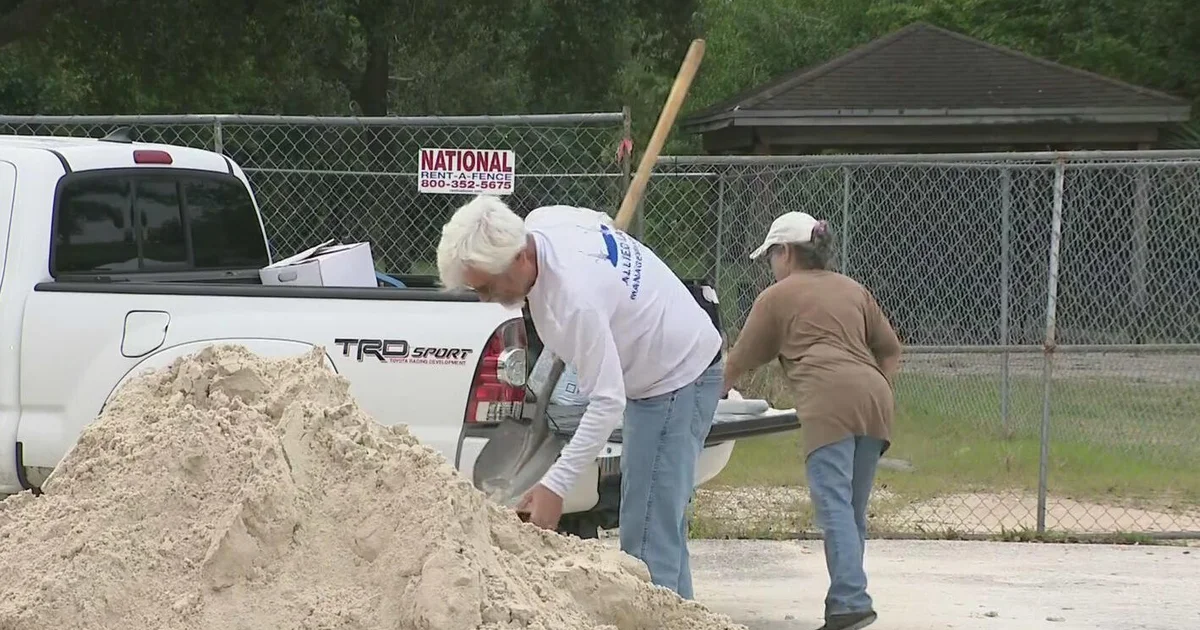
Long lines of vehicles have formed at distribution points across several cities, where anxious residents queued for hours to collect free sandbags. Municipal teams and volunteers shoveled tons of sand into burlap sacks, distributing them alongside plastic sheeting and flood barriers. For many families living in chronic flood zones, stacking bags against doorways and garage thresholds represents their only line of defense against rising street runoff.
Public works departments across the region have deployed specialized vacuum trucks to clear clogged catch basins, street grates, and neighborhood culverts. Heavy machinery has been clearing tree branches and trash from canal banks to ensure unimpeded water flow through the regional drainage network. In addition, temporary high-capacity pumps have been stationed at notoriously flood-prone intersections to assist municipal storm systems.
The rapid shift to storm preparations follows an extraordinary deluge that dumped more than a foot of rain on parts of South Florida within a matter of hours. The sudden deluge stranded hundreds of motorists, submerged major thoroughfares, and flooded numerous ground-floor residences and commercial storefronts. Emergency services handled hundreds of calls for assistance as canal levels crested near maximum capacity across the coastal plain.
Emergency managers warn that the region's vulnerabilities are magnified because soil moisture levels remain near total saturation. With the ground unable to absorb further precipitation, even moderate rainfall threatens to trigger rapid surface runoff and flash flooding. The incoming storm risk is further compounded by coastal high tides, which can prevent storm water from discharging freely into the Atlantic Ocean.
For residents and local business owners, the threat of back-to-back flooding events brings substantial financial and emotional strain. Thousands of vehicles were disabled or deemed total losses during the earlier wave of flooding, leaving many families without reliable transportation. In response, several municipalities have opened elevated public parking garages, inviting residents to store their cars above projected flood levels at no cost.
Local authorities continue to urge caution, reminding drivers that driving through standing water remains the primary cause of weather-related rescues and automotive damage. Law enforcement agencies have staged high-water rescue vehicles near critical corridors to respond quickly if low-lying roadways become impassable. Residents are advised to monitor official weather alerts, secure outdoor furniture, and keep emergency supplies readily accessible.
Regional drainage operators and local emergency operations centers will maintain around-the-clock monitoring of water levels, gates, and pumping stations as the new weather system approaches. While municipal leaders express hope that the heaviest precipitation bands may remain offshore, communities across South Florida are treating the incoming threat with utmost caution. For now, nervous residents can only wait, watching the skies and hoping their latest defenses hold.
Primary source: Google News Florida. Newzly rewrites and structures source reporting for clarity; verify critical details at the original.