South Korea draft bill puts stablecoin control beyond who issues the token
A reported South Korean crypto draft would keep stablecoin issuance bank-led while still letting a fintech or technology firm be the largest individual shareholder, shifting the contest toward ownership.
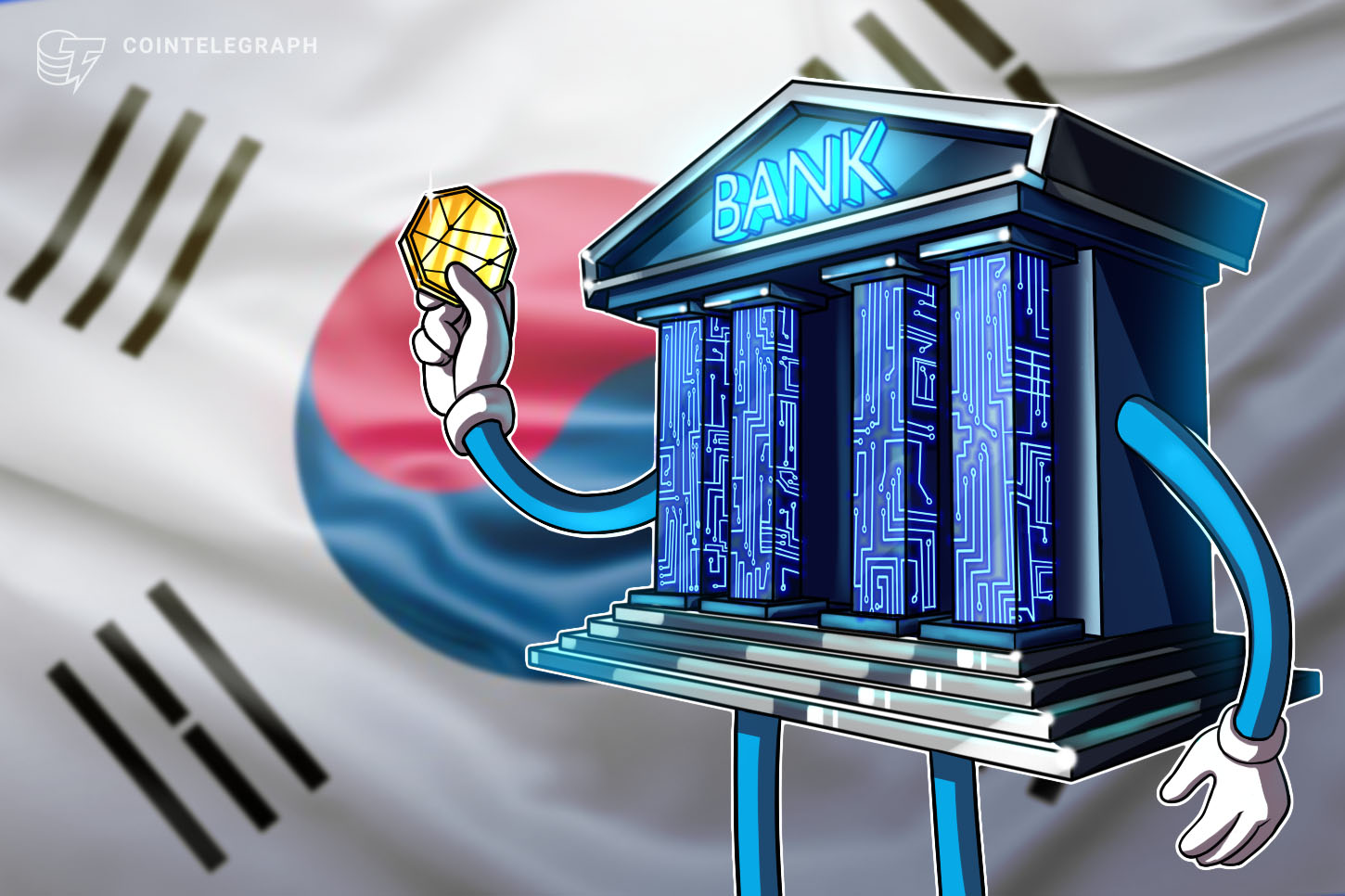
In this piece
Cointelegraph reports that South Korea’s draft crypto bill favors banks as stablecoin issuers but would allow fintech and technology companies to hold the…
South Korea’s draft cryptocurrency bill is being read as a test of who will control stablecoins, not only who may issue them. According to Cointelegraph, the draft favors bank-led issuance while still allowing fintech and technology companies to become the largest individual shareholders.
That pairing is the substance of the report. Banks would sit at the center of putting stablecoins into circulation, a structure that keeps the formal act of issuance with regulated deposit-taking institutions. The ownership approach described in the coverage would still leave room for a nonbank firm to hold the biggest single stake.
Stablecoins are digital tokens designed to track a reference value, most often a national currency. Regulators in many jurisdictions have focused on issuance, reserves, and redemption because a widely used token can function like privately issued money. On the account given by Cointelegraph, South Korea’s draft would place issuance with banks rather than opening that role as the main contest.
Shareholder position is a separate question from the license to create tokens. A fintech or technology company that is the largest individual shareholder could shape product design, partnerships, distribution, and how economic returns are split, even if a bank issues the coin. Cointelegraph’s framing is that the race may therefore move past token issuance itself.
A “bank-led” label can obscure that point. Rules that reserve issuance for banks can still produce competition among nonbanks to be the dominant owner or commercial partner. The draft’s reported design would not close that route for fintech and technology firms.
The split matters for supervision and for industry structure. Bank-led issuance lets authorities lean on prudential oversight already applied to those institutions. Allowing a nonbank to be the largest individual shareholder pulls governance and related-party relationships into the same debate. The Cointelegraph account does not set out voting thresholds, reserve rules, or capital requirements, so those points remain unspecified here.
Elsewhere, stablecoin arguments have often turned on whether nonbank firms should issue tokens at all. The South Korean draft, as summarized, takes a narrower cut: banks lead issuance, and ownership is not described as reserved only for banks. That is a choice about who controls the business as well as about who mints the token.
For domestic banks, a favored issuance role could anchor their place in any stablecoin market that develops under the law. For fintech and technology companies, the ability to be the largest individual shareholder is the opening the report highlights. Neither side’s final standing can be judged until legislative text and implementing rules are settled.
Observers will look next at how “largest individual shareholder” is defined and whether other limits sit beside it. They will also watch whether domestic and foreign firms are treated the same way. Those questions are not answered in the short Cointelegraph summary.
The measure is still a draft. Committee review, government positions, and industry comment can change both the preference for bank-led issuance and the ownership allowance. Until a final text is adopted, the reported balance is a proposal, not settled law.
What follows is procedural and commercial. Lawmakers can tighten shareholder rules, widen who may issue, or keep the reported split. Firms positioning for a South Korean stablecoin market will be reading the bill for control rights, not only for permission to issue a token.
Primary source: CoinTelegraph. Newzly rewrites and structures source reporting for clarity; verify critical details at the original.