South Korean Regulators Urge Stronger Crypto Custody Controls
South Korean financial regulators have urged domestic cryptocurrency exchanges to increase cold-wallet storage and tighten internal access controls, according to Bitcoin.com News, putting asset custody and operational security under renewed scrutiny.
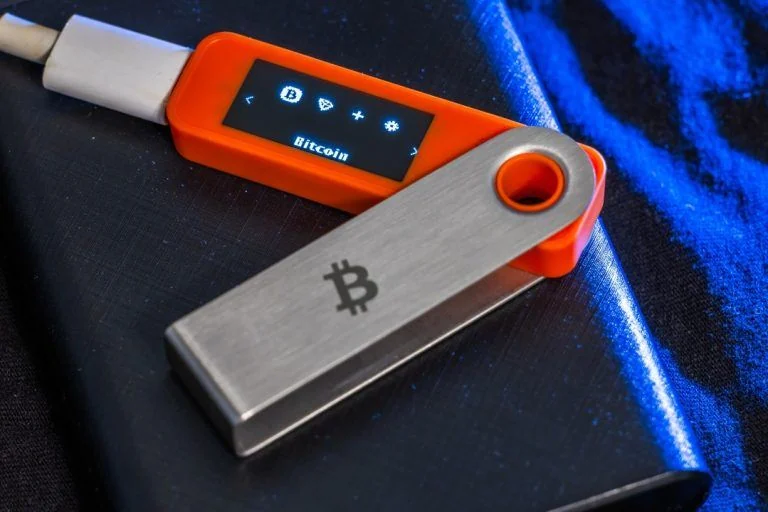
South Korean financial regulators have urged domestic cryptocurrency exchanges to strengthen security by increasing cold-wallet storage and tightening internal access controls, according to Bitcoin.com News. The reported appeal focuses on how trading platforms safeguard digital assets and restrict access to systems that can move customer funds.
The outlet links the intervention to what it describes as a recent hack at Binance involving $6.3 billion in digital assets. However, the supplied excerpt includes no supporting documentation or confirmation from Binance, so that incident and loss figure cannot be independently established from the material provided.
The report identifies two areas for improvement: the proportion of assets held in cold wallets and the controls governing internal access. It does not name the regulator involved, reproduce an official notice or specify whether the recommendations carry a compliance deadline. Those omissions leave the scope and legal status of the reported action unclear.
Cold wallets generally keep the credentials needed to authorize cryptocurrency transfers offline, reducing their exposure to internet-based attacks. Increasing their use can limit the amount of assets accessible through connected systems, although offline storage does not eliminate every custody risk. Its effectiveness also depends on how credentials and transfers are managed.
Internal access controls address a related but distinct vulnerability: who can reach sensitive systems and authorize transactions. Restrictions on permissions and approval processes can help reduce the risk of unauthorized transfers. The excerpt does not describe any specific procedures that South Korean exchanges have been told to adopt, or identify shortcomings at individual firms.
For exchanges, the underlying operational challenge is balancing access to funds with protection against theft. Platforms need to process customer withdrawals while safeguarding assets that do not need to remain immediately available online. A higher cold-storage allocation can affect that balance, making the procedures for moving funds between storage systems important alongside the allocation itself.
For customers, the reported recommendations concern safeguards around custody rather than protection against changes in cryptocurrency prices. Keeping assets offline and limiting internal access address how funds are held and moved. They do not, by themselves, establish that an exchange is secure, and the supplied report offers no assessment of any platform's overall protections.
The next questions are whether authorities publish detailed requirements, specify a minimum cold-wallet allocation or set a timetable for exchanges to respond. None of those details appears in the supplied excerpt. For now, the report describes a push toward stronger custody controls, while the precise obligations for exchanges—and the alleged incident cited as its backdrop—remain insufficiently documented in the available material.
Primary source: Bitcoin.com News. Newzly rewrites and structures source reporting for clarity; verify critical details at the original.