SP and Congress Kick Off Seat-Sharing Talks for Uttar Pradesh Elections
The Samajwadi Party and Congress have commenced formal seat-sharing negotiations in New Delhi for the upcoming Uttar Pradesh Assembly elections, aiming to present a united front against the ruling Bharatiya Janata Party.
In this piece
The Samajwadi Party and Congress have begun preliminary seat-sharing talks in New Delhi for the Uttar Pradesh Assembly elections. Congress submitted a preferred…
The Samajwadi Party and the Congress have formally launched seat-sharing negotiations for the upcoming Uttar Pradesh Assembly elections, initiating their first high-level talks in New Delhi. Senior leaders from both political outfits met to explore an electoral pact aimed at taking on the ruling Bharatiya Janata Party in India's most populous state. Representatives characterized the opening discussion as cordial and focused on building a cohesive alliance framework.
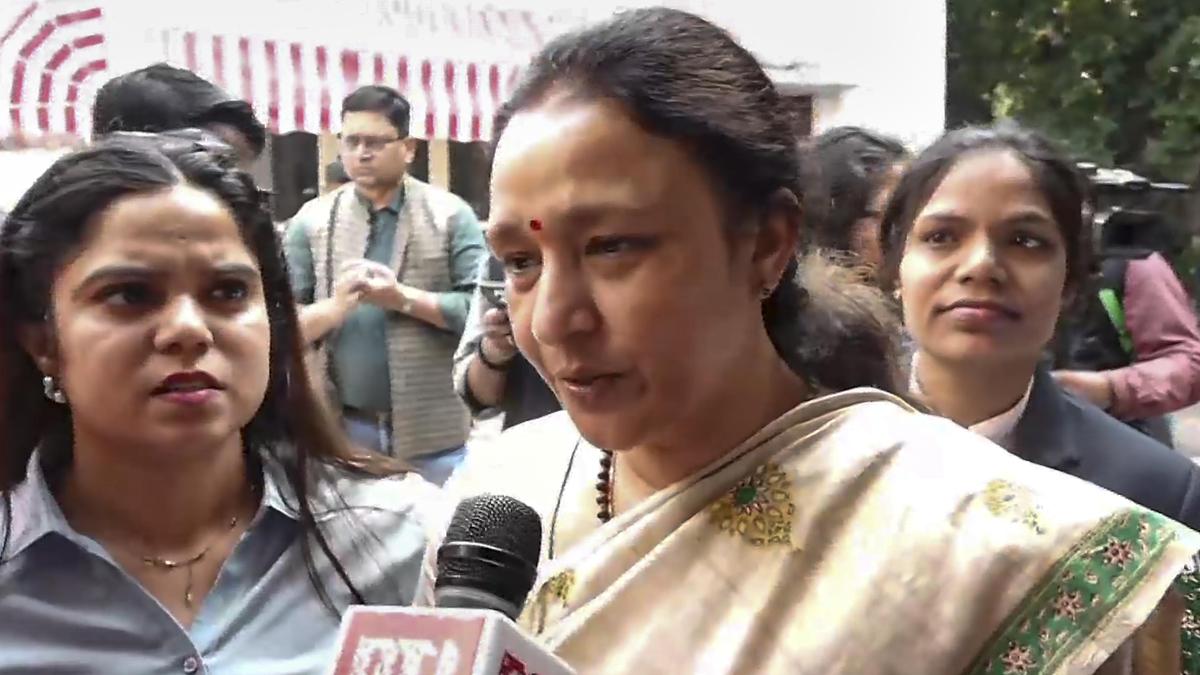
The initial meeting took place at the New Delhi residence of senior Congress Rajya Sabha member Pramod Tiwari. The Samajwadi Party delegation was headed by its national general secretary and Rajya Sabha MP Ram Gopal Yadav, accompanied by state unit leaders. The Congress negotiating team featured the party's state in-charge Rajendra Pal Gautam, Congress Legislature Party leader Aradhana Mishra, and Member of Parliament Imran Masood.
During the preliminary discussions, Congress negotiators submitted a preferred roster of constituencies they are keen to contest across Uttar Pradesh. Party leaders indicated that their claim encompasses roughly 100 to 130 assembly segments where they believe the organization holds significant ground. The proposal was presented as an initial discussion document to establish clear geographic and regional priorities before entering detailed constituency-level vetting.
The Congress based its seat claims on an internal assessment of electoral data, factoring in past voting trends and grassroots organizational strength. Leaders from both sides emphasized that winnability will serve as the sole criterion for determining seat allocations in the final blueprint. The parties plan to review recent assembly and parliamentary performance metrics to identify which partner possesses the strongest competitive advantage in each respective seat.
The talks mark a continuation of the electoral understanding forged between the two opposition parties under the national Indian National Developmental Inclusive Alliance banner. In the 2024 parliamentary elections, the Samajwadi Party and Congress contested Uttar Pradesh in tandem, dealing a notable setback to the ruling coalition. That performance demonstrated that a unified opposition front could consolidate anti-incumbent and backward-caste votes effectively across the northern state.
Uttar Pradesh remains the political epicenter of Indian politics, sending the largest contingent of lawmakers to Parliament and shaping broader national dynamics. Retaining or capturing political dominance in the 403-member state assembly is regarded by both sides as crucial for their long-term viability. For the Samajwadi Party, consolidating its position as the primary challenger to the state administration requires keeping allied parties united without surrendering its core strongholds.
Navigating seat distribution has historically presented substantial challenges for regional tie-ups in Uttar Pradesh, given competing local ambitions and overlapping vote banks. While Congress seeks a meaningful footprint to revitalize its traditional cadre, the Samajwadi Party maintains extensive grassroots machinery throughout eastern and central regions. Negotiators will need to balance Congress's ambition for a substantial share with the Samajwadi Party's insistence on contesting seats where it commands deep community backing.
Both delegations expressed satisfaction with the opening dialogue and signaled that follow-up rounds of discussions would occur promptly. Party representatives noted that further consultations will involve technical teams analyzing seat-by-seat dynamics before the leadership stamps final approval. Rather than dragging talks into protracted public posturing, interlocutors aim to resolve major allocations well in advance of the election cycle.
As talks progress over the coming weeks, senior leadership, including Samajwadi Party chief Akhilesh Yadav and central Congress figures, will review the emerging consensus. Observers view early seat talks as a pragmatic step toward averting last-minute frictions that have hampered past opposition arrangements in the state. The ultimate success of the partnership will depend on how swiftly both parties can finalize an equitable seat distribution and present a cohesive campaign narrative to the electorate.
Primary source: Google News Uttar Pradesh. Newzly rewrites and structures source reporting for clarity; verify critical details at the original.