SpaceX denies Iran's military used Starlink against the United States
TechCrunch reports that SpaceX denied claims the Iranian military used Starlink in operations against the United States. The available account notes Elon Musk's displeasure and leaves the underlying allegation thinly described.
In this piece
SpaceX has denied that Starlink was used by Iran's military against the United States, TechCrunch reported on Nov. 29, 2026. The item says chief executive Elon…
SpaceX has denied that its Starlink satellite internet service was used by Iran's military in operations against the United States, according to a TechCrunch report dated Nov. 29, 2026. The piece presents the company's rejection after reports that Iranian forces had used the network. The version of the story available here does not include a verbatim company statement or a description of any single operation.
The report's headline centers on the denial. Its web address refers to Iran reportedly using Starlink in military operations against the United States. Together, those two framings are the firmest account the available text offers: an allegation was circulating, and SpaceX said the allegation was wrong. How the outlet sourced the claim is not spelled out in the summary provided with the article.
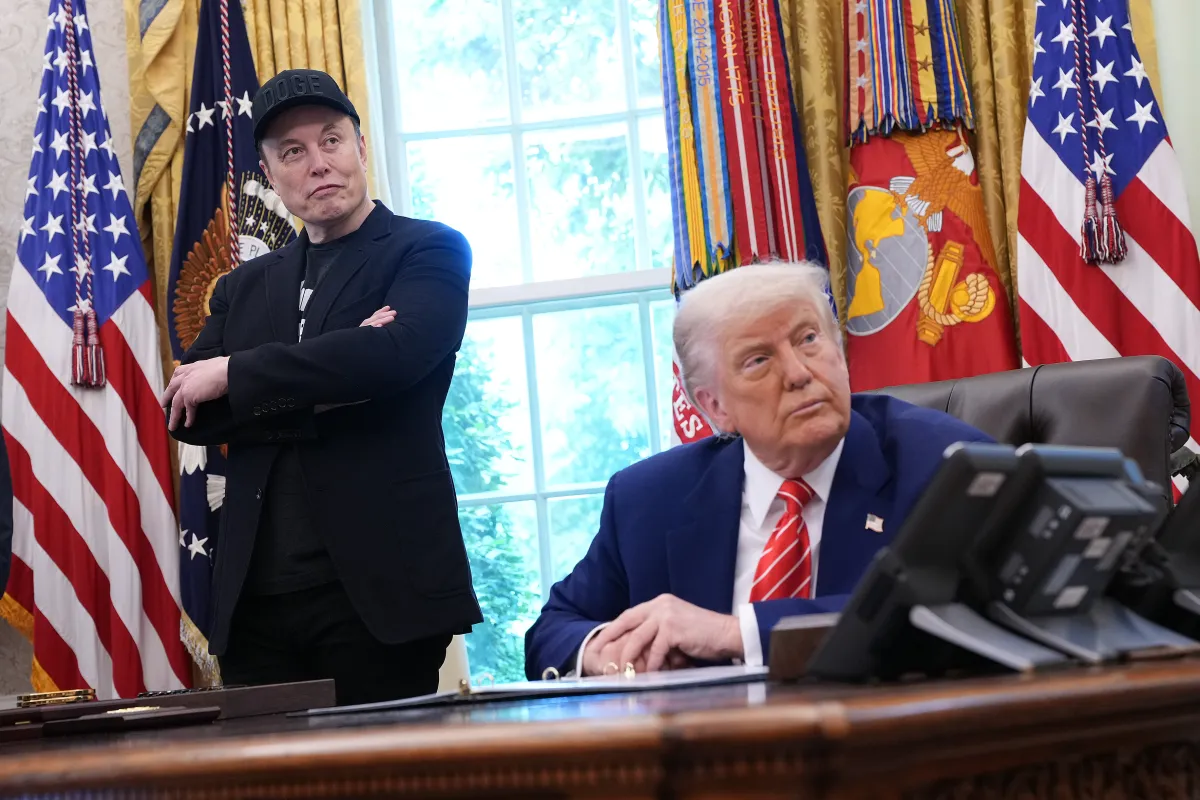
A brief description attached to the report says SpaceX chief executive Elon Musk was unhappy when he learned of the reported use. The note does not quote him, name the channel of his reaction, or say whether he spoke publicly. The characterization of his response therefore stands as a summary in the item, rather than as a recorded statement.
Starlink is the broadband constellation SpaceX operates with satellites in low Earth orbit and ground terminals that connect to them. The service has drawn governments and private users seeking connectivity where ordinary networks are scarce or restricted. The TechCrunch summary does not say whether any terminal, account, or coverage area was tied to the allegation involving Iran.
Commercial satellite links have become part of modern military communications because they can move data when local infrastructure is damaged or untrusted. That background explains why a report of Starlink use by a foreign military would draw immediate attention in Washington and at SpaceX. The available article does not show that U.S. officials confirmed any such use in this instance.
The stakes are practical as well as political. A finding that a U.S. company's network had supported operations against U.S. interests would raise questions about access controls, customer screening, and sanctions compliance. TechCrunch's account, as summarized, stops at the denial. It does not describe an investigation, a regulator's review, or a technical finding about network traffic.
Iran remains subject to broad U.S. sanctions, and transfers of technology to Iranian military end users are heavily constrained. Whether this episode involved hardware already in the country, a deactivated account, or another path is not addressed. Those questions stay outside what the report actually establishes.
The summary also omits the basic particulars needed to test the claim: which Iranian unit was alleged to be involved, which U.S. forces or sites were said to be affected, and when the activity supposedly occurred. Musk's reported displeasure, without his words or supporting detail, does not fill that gap. Readers are left with a headline denial and a thin description of the allegation.
What comes next depends on whether SpaceX, U.S. officials, or further reporting supply evidence that can be checked. A fuller statement could clarify what SpaceX reviewed and what it ruled out. On the material in hand, the public record is the reported claim, the company's denial, and the indication that Musk reacted with displeasure when he heard it.
Until those specifics surface, the episode is an unresolved dispute over whether a commercial satellite network played any role in military activity. Confirmation would require named sourcing, a timeline, and a concrete link between Starlink service and Iranian forces. The TechCrunch report does not yet provide that record.
Primary source: TechCrunch. Newzly rewrites and structures source reporting for clarity; verify critical details at the original.