SpaceX's Starshield Troubles in Ukraine Could Threaten Its Broader Military Business
A top House lawmaker has threatened to halt funding for SpaceX's national security programs, warning that unresolved Starshield disruptions in Ukraine jeopardize the company's broader military contracts.
In this piece
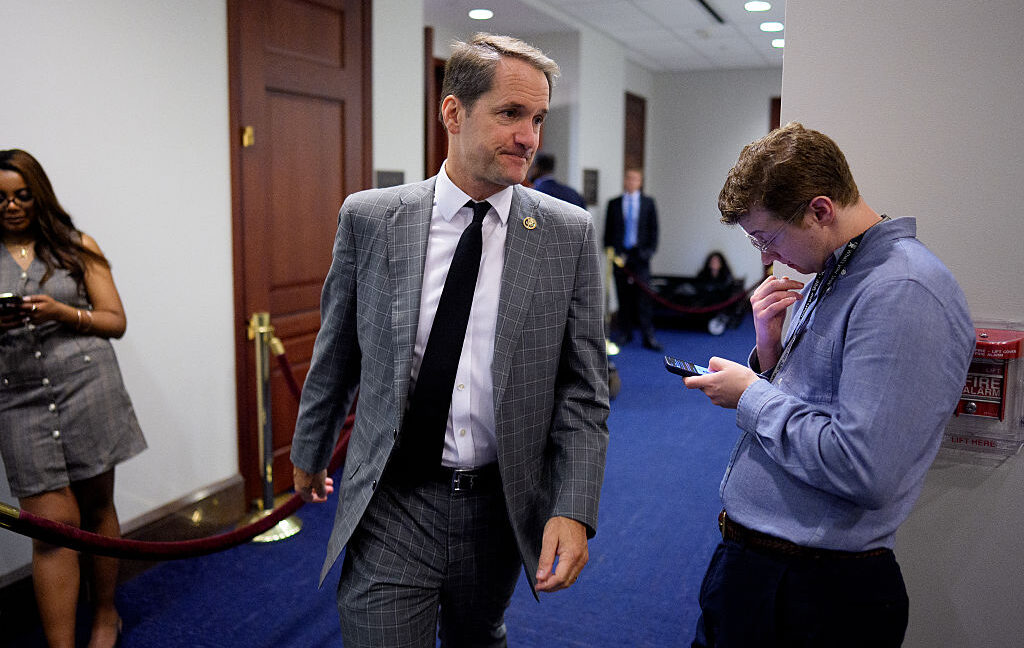
Incoming House Intelligence Committee Chairman Jim Himes has warned SpaceX that disruptions to its Starshield satellite service in Ukraine could threaten its…
A senior congressional lawmaker has warned that SpaceX could jeopardize its lucrative government defense contracts following unexplained disruptions to its Starshield satellite communications network in Ukraine. Representative Jim Himes, the incoming chairman of the House Intelligence Committee, cautioned that unresolved questions regarding service restrictions could halt future legislative support for SpaceX-built national security systems. The confrontation marks a significant escalation in tensions between Capitol Hill and the commercial space giant.
In a pointed letter sent to SpaceX Chief Executive Elon Musk, Himes stated that potential unilateral changes to federal agreements severely undermine trust between commercial aerospace contractors and national security agencies. The Connecticut Democrat asserted that unauthorized adjustments, coupled with an apparent lack of responsiveness to congressional inquiries, call into question every contract the federal government currently maintains with SpaceX.
The dispute centers on abrupt connectivity bottlenecks reported across Ukraine during front-line military operations in October. Ukrainian defense officials, including President Volodymyr Zelenskyy, disclosed that Starshield-equipped hardware suffered severe transmission cutoffs whenever traveling at speeds exceeding 100 miles per hour, or roughly 160 kilometers per hour.
The unexpected velocity caps severely impaired Ukrainian battlefield coordination, crippling high-speed logistical operations and unmanned aerial defenses. Ukrainian military units reported critical impediments to mid-range strike drones and jet-powered interceptors that rely on stable satellite links to track and counter Russian aerial bombardments.
The disruptions triggered acute confusion over who authorized the technical limitations over the battlefield. While Musk has maintained that Starshield operates under U.S. government oversight and that operational restrictions are set exclusively by military leadership, defense officials have offered conflicting accounts. The lack of a clear paper trail has left open the question of whether defense authorities issued a formal directive or if the contractor acted independently.
Himes escalated the matter further by transmitting a classified communication to Director of National Intelligence Jay Clayton. In the correspondence, the lawmaker warned that Congress would find it increasingly difficult to authorize appropriations for sensitive, government-owned satellite constellations that depend on SpaceX as their primary architecture without complete transparency.
The dispute underscores deepening anxieties in Washington regarding the Pentagon's heavy reliance on private commercial vendors for vital wartime infrastructure. SpaceX has secured billions of dollars in military and intelligence contracts, positioning its Starshield constellation as a centerpiece of future orbital surveillance and defense communications. Lawmakers have expressed growing unease over granting private executives unprecedented leverage over foreign policy and combat theaters.
The warning from House intelligence leadership aligns with broader bipartisan scrutiny across both chambers of Congress. Lawmakers and senators have increasingly demanded formal hearings, records preservation, and comprehensive reviews into how commercial communication systems are administered in active combat zones.
Congressional committees are now demanding full disclosure regarding the technical modifications implemented in October and the precise chain of authority that approved them. As future defense authorization debates loom, SpaceX faces mounting pressure to address congressional concerns or risk political resistance against its expanding portfolio of classified national security contracts.
Primary source: Ars Technica. Newzly rewrites and structures source reporting for clarity; verify critical details at the original.