Stocks Snap Losing Streak on Chipmaker Rebound as Traders Await Midterm Election Results
U.S. stocks halted a multi-day slide as semiconductor shares rebounded, while investors braced for initial midterm election returns and weighed potential policy shifts across AI, healthcare, and foreign relations.
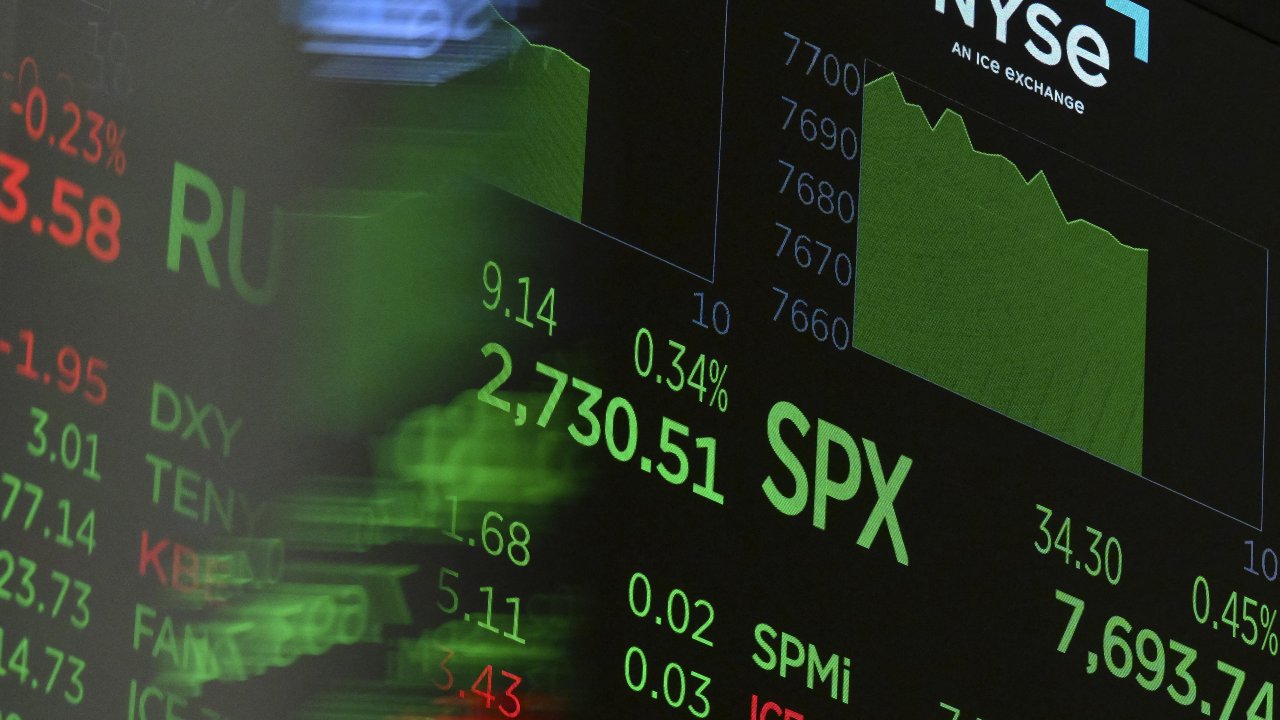
Major equity benchmarks snapped their recent downward momentum as semiconductor shares rebounded, providing broader markets with relief ahead of high-stakes political developments. Trading desks across Wall Street turned their attention to the initial wave of midterm election results, which are expected to reshape legislative priorities and fiscal policy over the coming years.
The recovery in chipmakers helped halt a multi-session losing streak across major stock averages, underscoring the tech sector's continued sensitivity to shifting investor sentiment. After several sessions of persistent selling pressure, technology shares stabilized as market participants reassessed valuations against an evolving macroeconomic backdrop.
Much of the day's positioning centered on the political calendar, with investors awaiting early ballot returns that could determine the balance of power in Washington. The uncertainty surrounding the midterm outcomes kept broader trading disciplined, as market participants prepared for potential shifts in policy directives across key economic sectors.
Among the primary focal points for investors is the potential impact of congressional leadership on artificial intelligence infrastructure and technological development. Market observers are closely monitoring whether federal funding initiatives, regulatory frameworks, and export policies concerning advanced computing hardware will face renewed scrutiny or shifts in priority under a newly configured legislature.
Healthcare policy also remains a crucial consideration for portfolio managers attempting to gauge sector-level risk following the vote. Changes in legislative majorities often bring renewed debate over drug pricing mechanisms, federal healthcare spending, and broader regulatory oversight, prompting caution among institutional investors.
Beyond domestic policy, international developments are adding another layer of complexity to financial markets. Investors are actively weighing the broader geopolitical implications of stalled negotiations between the United States and Iran, monitoring how energy markets and foreign policy stances might respond to changing domestic political dynamics.
The convergence of political, technological, and foreign policy questions has left trading desks navigating multiple crosscurrents simultaneously. While the rebound in semiconductor stocks provided a tactical lift to headline indices, institutional market participants remain largely cautious until the composition of government becomes clear.
Historically, equity markets have experienced periods of heightened volatility heading into national elections, often followed by clearer direction once legislative trajectories are established. Traders are mindful that prolonged vote counts or contested races could extend near-term swings across key asset classes.
As polls close and initial vote tallies emerge, investors are watching for clarity on fiscal agendas, regulatory appointments, and government spending priorities. The market's near-term trajectory is likely to hinge not only on sector fundamentals but also on how quickly political clarity replaces current election-related uncertainty.
Primary source: Yahoo Finance Markets. Newzly rewrites and structures source reporting for clarity; verify critical details at the original.