Street protests and social media helped power Lula’s Brazil comeback
Student-led demonstrations and a viral WhatsApp channel helped revive Luiz Inácio Lula da Silva’s campaign after a first-round setback, according to a Guardian analysis of Brazil’s presidential election.
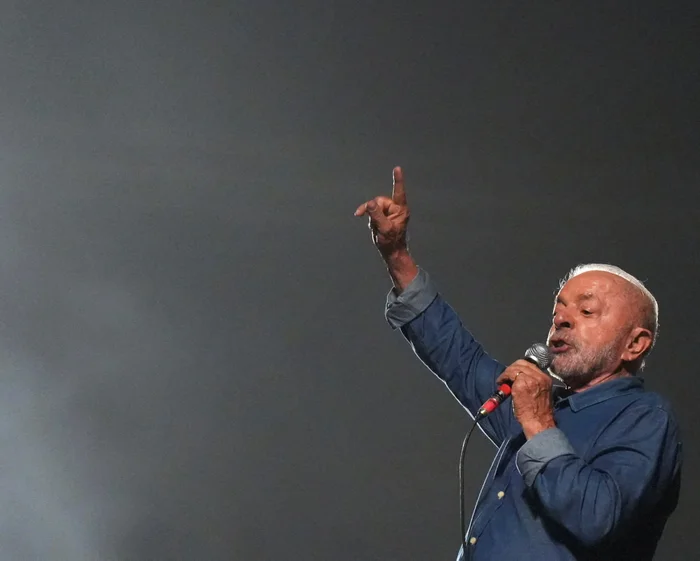
Luiz Inácio Lula da Silva’s election victory in Brazil followed a campaign revival in which student-led protests and a viral WhatsApp channel played important roles, according to an analysis published by the Guardian. The result reversed a bleak outlook for the leftist incumbent after he finished second in the first round.
The initial setback had surprised Lula himself. Citing reporting by O Globo, the Guardian said he told allies he struggled to understand the outcome after an administration he regarded as the strongest of his three terms, underscoring the gap between his assessment of his government and its electoral position.
The arithmetic appeared to favour senator Flávio Bolsonaro. The Guardian reported that 9 million votes had gone to other candidates, all on the right, and were expected largely to move to Bolsonaro in the runoff; that expectation contributed to widespread predictions of his victory and dismay among Lula’s supporters.
One early response came from students at Fluminense Federal University in Niterói. In an October 6 report, the Brazilian publication Vermelho described a demonstration held the previous evening in support of Lula’s re-election and against Bolsonaro, organised by students and the university law school’s Evaristo da Veiga academic centre.
According to that report, demonstrators carried banners and placards through the city, linking their opposition to Bolsonaro with support for democracy and public universities. Their mobilisation turned disappointment over the first-round result into a public campaign intervention, rather than leaving the response solely to party leaders and their established organisations.
The academic response extended beyond that march. Vermelho reported that the National Association of Postgraduates called for the academic community to organise, presenting science, development, democracy and sovereignty as issues at stake and saying it was coordinating with scientific and academic organisations ahead of the second round.
The Guardian’s analysis places that street-level mobilisation alongside the viral WhatsApp channel as important elements in Lula’s recovery. The distinction matters: visible demonstrations and messaging networks offer different ways for supporters to participate, although the supplied account does not establish how much either contributed independently to the final result or separate their effects from other campaign factors.
The comeback also exposes the limits of treating first-round voting blocs as guaranteed runoff transfers. For Brazil’s left, the question now is which lessons from the mobilisation can endure beyond the election: the reporting points to the importance of understanding how supporters organise in public and communicate online, without establishing that either alone provides a repeatable formula for victory.
Primary source: The Guardian World. Newzly rewrites and structures source reporting for clarity; verify critical details at the original.