Sudanese diaspora and rights groups oppose UAE nominee for UN chief
Members of the Sudanese diaspora and human rights monitors have denounced the UAE’s nomination of Lana Nusseibeh to succeed António Guterres, citing her denial of claims that Abu Dhabi backs Sudan’s Rapid Support Forces.
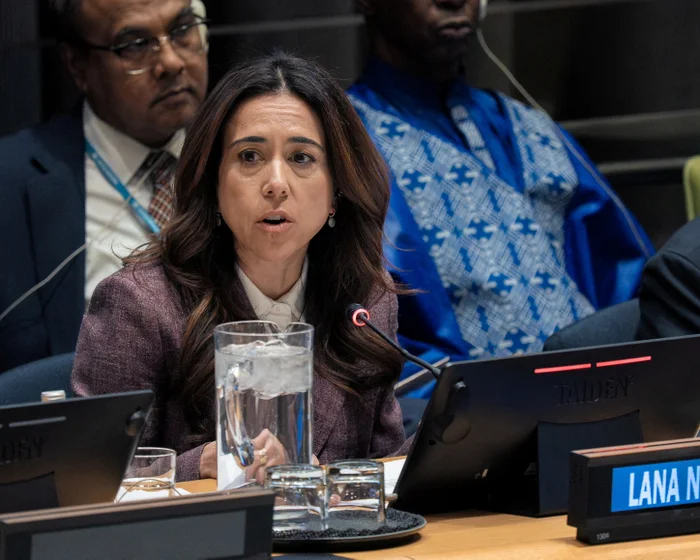
Members of the Sudanese diaspora and international human rights monitors have denounced the United Arab Emirates’ nomination of Lana Nusseibeh for secretary general of the United Nations. Their objection centers on her denial of accusations that the UAE is fuelling the war in Sudan by supporting the paramilitary Rapid Support Forces.
The UAE put Nusseibeh forward last week to replace António Guterres, who is finishing his second five-year term this year. The Guardian reported that the nomination upended a race that had become gridlocked.
Nusseibeh is an Emirati diplomat. The published criticism does not rest on a new finding about the war itself. It rests on her rejection of claims that her government is backing the Rapid Support Forces, a paramilitary force at the center of Sudan’s conflict.
Those claims remain accusations. The Guardian’s account attributes them to critics of the nomination and records that Nusseibeh has denied them. It does not set out new evidence, name the diaspora organizations or monitors involved, or quote a formal response from the UAE beyond that denial.
The dispute matters because the secretary general is the United Nations’ most visible diplomatic office. Governments and advocacy groups routinely argue that the post requires a figure who can be seen as even-handed in active wars. Opponents of this candidacy say a public denial of alleged Emirati support for one side in Sudan undercuts that standing. Supporters of the nomination have not been detailed in the report.
Sudan’s war has drawn sustained international attention, including repeated allegations—disputed by the UAE—about outside backing for the Rapid Support Forces. How those allegations are weighed is now part of the argument over who should lead the UN, even though the available account does not spell out a legal finding tying Nusseibeh personally to the fighting.
The selection of a secretary general is a political process as well as a diplomatic one. By custom, the Security Council recommends a candidate and the General Assembly makes the appointment. A field described as gridlocked can shift quickly when a major member state introduces a nominee late in the calendar, which is how the Guardian characterized the UAE’s move.
No other candidates are identified in the report, and no vote count or revised timetable is given. What is clear is that a race already stuck has been reopened around a single, contested name, with Guterres’s term due to end this year.
For Sudanese diaspora members, the nomination is not an abstract staffing question. It places a senior official from a government they accuse of taking sides in their country’s war in line for the UN’s top job. Human rights monitors joining that denunciation are treating her denial of those accusations as disqualifying in their view. Whether member states treat it the same way is not established in the reporting.
The record so far is narrow. It confirms the nomination, the identity of the nominee, the point in Guterres’s tenure, the claim that the race had stalled, and the substance of the objection. It does not confirm that the Security Council has scheduled deliberations, that Nusseibeh has answered the diaspora criticism in a new statement, or that any government has pledged votes for or against her.
What happens next will be decided in that selection process, not in the statements already issued. The criticism ensures that unresolved accusations about the UAE and the Rapid Support Forces will travel with the candidacy. Until governments move the race beyond the gridlock the Guardian described, Nusseibeh’s bid stands as both a late entry and a flashpoint.
Primary source: The Guardian World. Newzly rewrites and structures source reporting for clarity; verify critical details at the original.