Suno adds AI-generated video and images with Visuals
Suno’s new Visuals feature turns songs into AI-generated clips with automatic lip-syncing and creates images from text prompts, extending the platform beyond music generation.
In this piece
Suno has introduced Visuals, a feature for creating AI-generated videos and images alongside its music tools. According to The Verge, users can turn songs into…
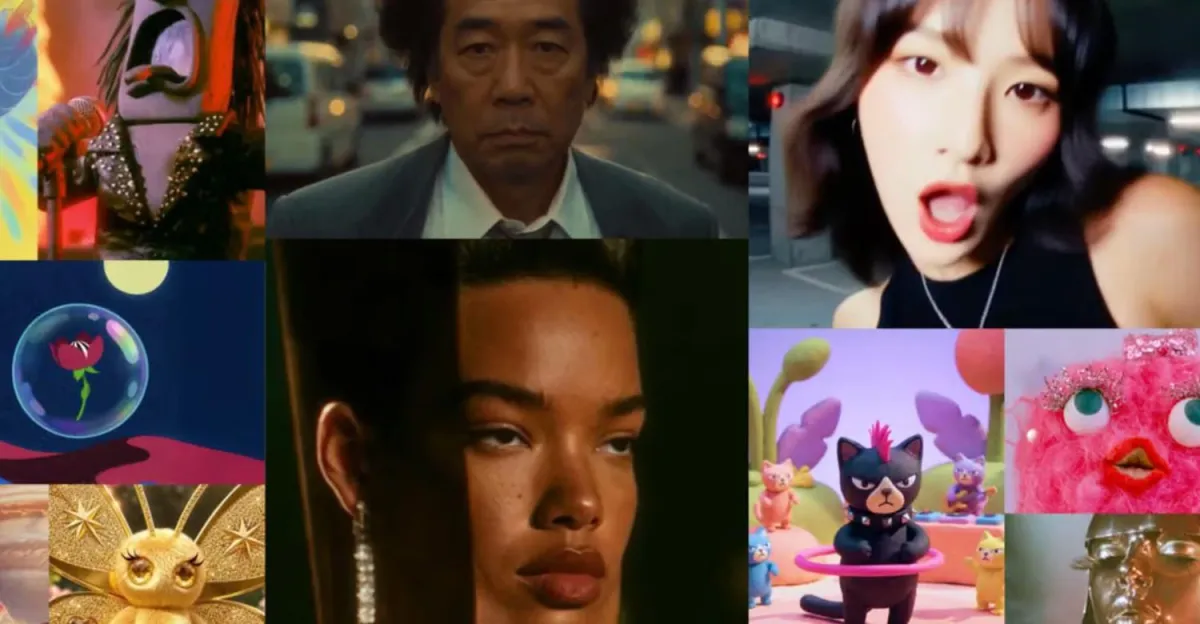
Suno has introduced image and video generation through a new feature called Visuals, expanding beyond its existing focus on AI-generated music. According to The Verge, the addition lets users turn Suno songs into AI-generated video clips or create images from written descriptions, bringing visual production alongside the platform’s audio tools.
The video capability includes automatic lip-syncing to a song’s lyrics, connecting the generated visuals to the vocal performance. That makes the feature more specifically tied to music than a standalone image generator: the song supplies material for a clip, rather than serving only as a soundtrack placed behind unrelated imagery.
On the image side, users can describe what they want through text prompts. The Verge identifies thumbnails and album artwork as potential uses, giving the feature a role beyond moving images. Those formats provide different ways to present a song, whether through a cover image or a visual preview accompanying it.
The launch marks a broader scope for Suno’s product, which the report describes as an AI music platform moving into additional forms of generation. Instead of addressing only the sound of a track, Visuals also addresses how that track might look. The two capabilities remain distinct: one produces lyric-linked video, while the other produces still images from prompts.
For users, the practical significance is the ability to create more of a song’s accompanying material within the same platform. A music release can involve both audio and visual presentation, and the announced tools cover parts of that process. The report does not establish whether they replace any particular external production or editing workflow.
The automatic lip-syncing component is a central distinction in the description of the video feature. It promises a connection between the lyrics and what appears on screen, rather than simply offering a generic visual accompaniment. However, the supplied report does not detail how users control the results or how consistently the synchronization performs.
Several other practical details are also absent from the available source material, including pricing, access requirements and limits on video length. It does not specify output resolution or the degree of editing available after generation. Those omissions leave the feature’s production flexibility and suitability for particular projects unclear, even as its basic purpose is defined.
For now, Visuals establishes Suno’s move into generating both the music and some of the imagery used to present it. The next questions concern implementation: who can use the tools, what controls they offer and how the outputs perform in practice. The Verge’s report describes the expansion, but the supplied account leaves those questions unanswered.
Primary source: The Verge. Newzly rewrites and structures source reporting for clarity; verify critical details at the original.