Supreme Court Directs MP Speaker to Decide MLA Nirmala Sapre Defection Plea Within Two Months
The Supreme Court of India has directed the Madhya Pradesh Legislative Assembly Speaker to rule within two months on a Tenth Schedule disqualification petition filed by Congress leader Umang Singhar against lawmaker Nirmala Sapre.
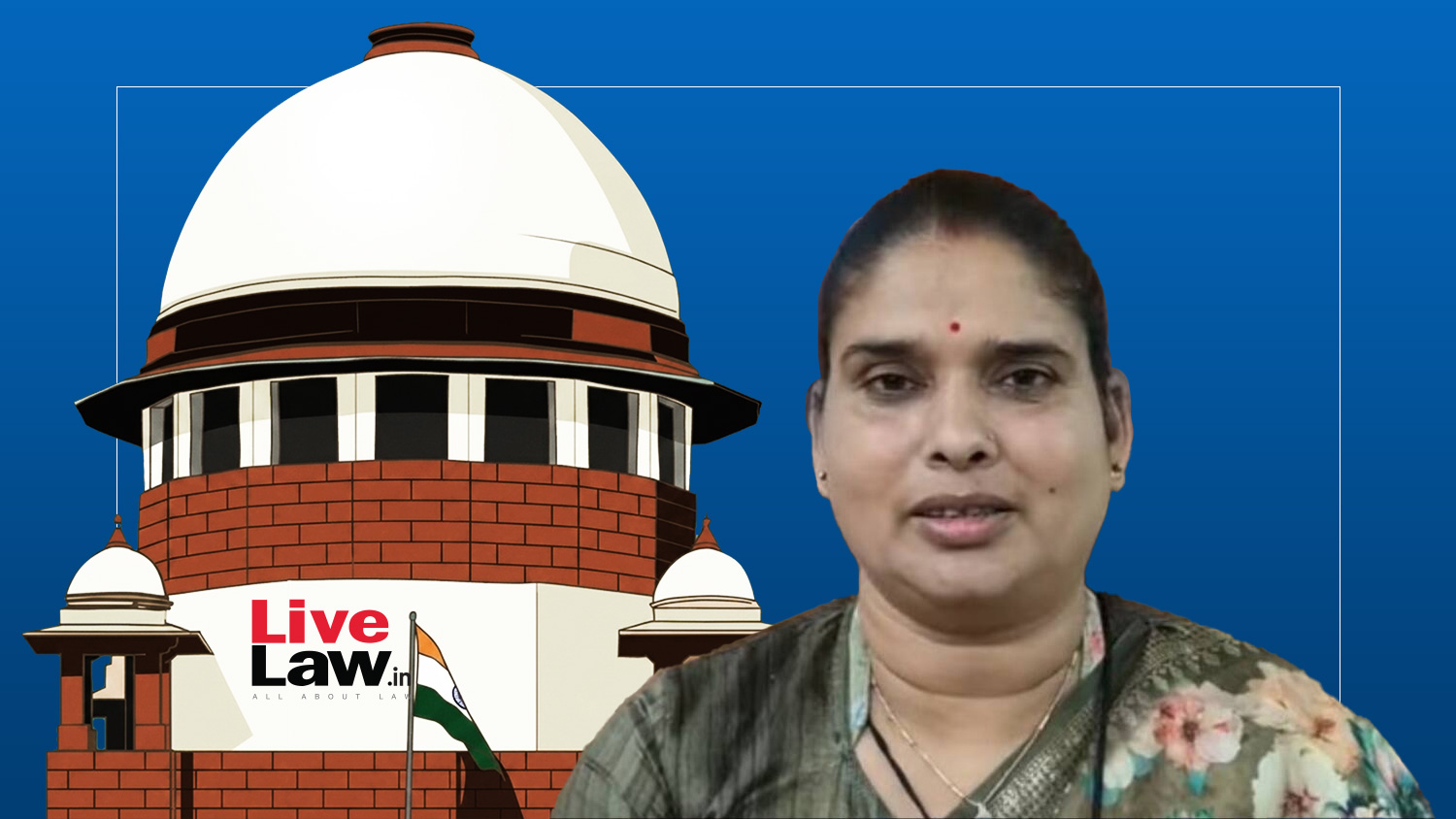
In this piece
The Supreme Court has instructed the Madhya Pradesh Assembly Speaker to adjudicate a pending anti-defection plea against MLA Nirmala Sapre within two months.…
The Supreme Court of India has directed the Speaker of the Madhya Pradesh Legislative Assembly to decide a pending disqualification petition filed against lawmaker Nirmala Sapre within two months. A bench comprising Chief Justice of India Surya Kant, Justice Joymalya Bagchi, and Justice V. Mohana issued the order while setting aside an earlier Madhya Pradesh High Court ruling that had declined to intervene.
The petition was brought before the top court by Umang Singhar, the Leader of the Opposition in the Madhya Pradesh Legislative Assembly and a senior Indian National Congress legislator. Singhar had initiated disqualification proceedings under the Tenth Schedule of the Constitution after Sapre, who won election from the Bina assembly constituency on a Congress ticket in late 2023, publicly aligned herself with the ruling Bharatiya Janata Party.
The controversy traces back to the May 2024 Lok Sabha election campaign, when Sapre shared a public platform with Madhya Pradesh Chief Minister Mohan Yadav and declared her allegiance to the BJP. Singhar argued that her public alignment constituted voluntarily giving up membership in the political party on whose ticket she was elected, triggering disqualification under anti-defection provisions.
Despite the political shift, formal resolution of the matter remained stalled in the legislature for over two years. For her part, Sapre maintained that she had neither formally submitted a resignation from the Congress nor officially registered as a member of the BJP. As the proceedings languished without determination before the Assembly Speaker, the opposition approached the judiciary to enforce procedural accountability.
When Singhar first challenged the delay before the Madhya Pradesh High Court, his petition seeking a time-bound direction was turned down. The High Court took the view that there was no immediate urgency requiring judicial intervention, reasoning that procedural inquiries were continuing and significant time remained in the legislative assembly's five-year term.
The Supreme Court firmly rejected the High Court's reasoning regarding the absence of urgency. The bench observed that anti-defection petitions under the Tenth Schedule touch the core of representative democracy and must be resolved promptly, regardless of how many years remain in an elected house's tenure. Lingering delays, the justices noted, undermine the constitutional intent behind disqualification mechanisms.
In issuing the directive, the apex court drew upon established constitutional jurisprudence governing the timely disposal of Tenth Schedule petitions, including principles articulated in precedents such as Padi Kaushik Reddy v. State of Telangana. While courts generally respect the constitutional authority of legislative speakers, prolonged inaction has repeatedly prompted the judiciary to prescribe outer timeframes to prevent anti-defection petitions from becoming moot.
The decision carries significant political resonance for Madhya Pradesh, where party-switching has frequently sparked tense legislative battles between the treasury and opposition benches. By mandating a definitive timeline, the Supreme Court has curtailed the practice of letting defection proceedings hover indefinitely while lawmakers participate in house proceedings under disputed party allegiances.
Under the apex court's directive, the Speaker of the Madhya Pradesh Assembly must now conclude the hearing and pronounce a final order on Sapre's status within the stipulated two-month window. The impending ruling will determine whether the Bina constituency faces a fresh by-election or if the lawmaker remains entitled to hold her legislative seat.
Primary source: Google News Madhya Pradesh. Newzly rewrites and structures source reporting for clarity; verify critical details at the original.