Supreme Court says EC can blacklist booth-level agents over fake deletion pleas
The Supreme Court has affirmed the Election Commission’s authority to blacklist booth-level agents over fraudulent voter-deletion applications, according to an Economic Times headline. The supplied material does not include the court’s detailed reasoning.
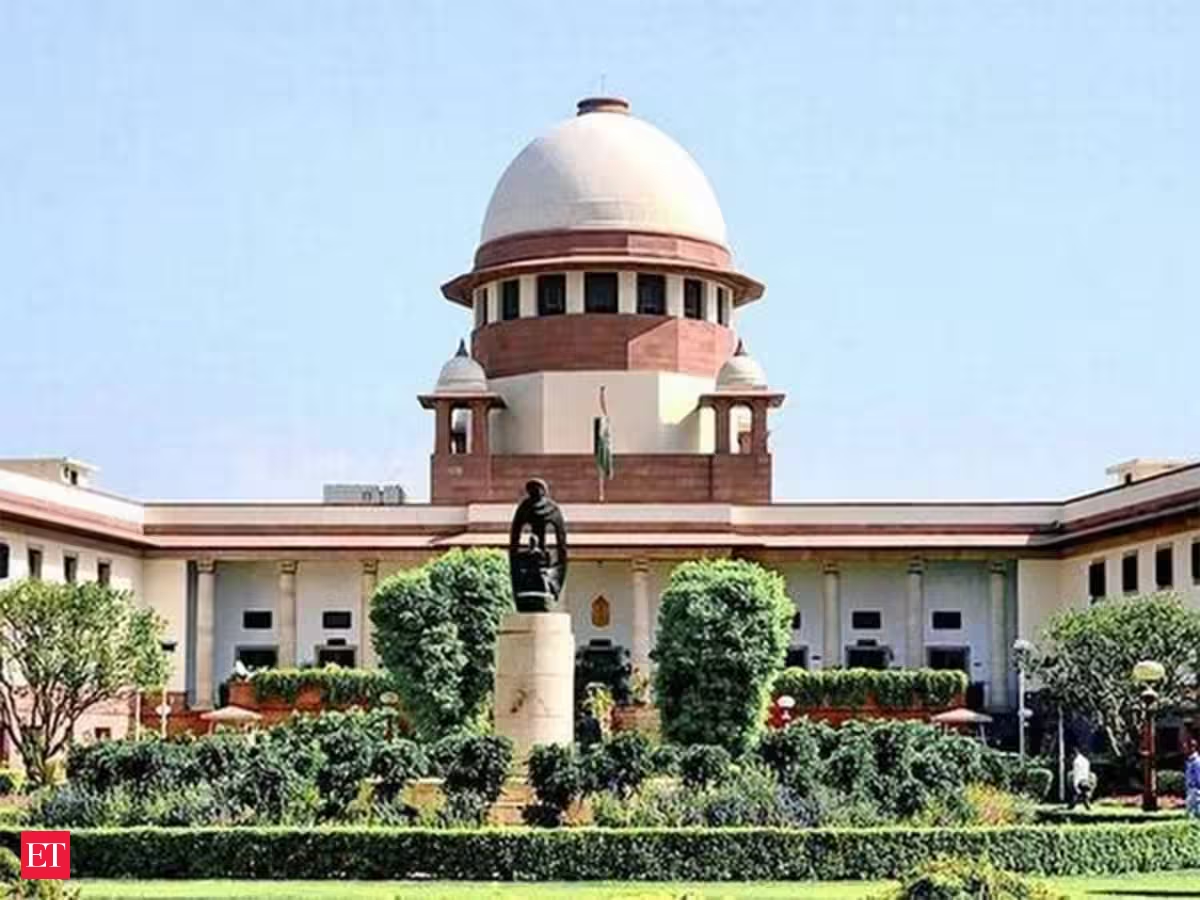
In this piece
The Supreme Court says the Election Commission can blacklist booth-level agents for submitting fake voter-deletion pleas, according to Economic Times. The…
The Supreme Court has affirmed the Election Commission’s authority to blacklist booth-level agents over fake voter-deletion applications, according to a headline published by Economic Times. The reported position concerns the commission’s ability to act against agents who submit fraudulent requests to remove names from electoral rolls.
The material supplied for this report contains the headline and an article link, but no article text or court order. It therefore establishes only the reported central development, without providing the bench’s reasoning, the submissions before it or the circumstances that prompted the court’s consideration of the issue.
At the heart of the reported development is a distinction between seeking a correction to an electoral roll and submitting a fraudulent deletion request. The headline identifies fake applications as the basis for possible blacklisting; it does not indicate that every unsuccessful or disputed deletion plea would warrant such action.
The issue matters because requests to delete names concern who remains listed to vote. Scrutiny of those requests involves both the accuracy of the roll and the interests of people whose entries are challenged, making the grounds for an application important to any assessment of misconduct.
As described in the headline, the court’s position recognizes an enforcement option available to the Election Commission against booth-level agents involved in fraudulent pleas. Recognition of that authority is distinct from a finding that a particular agent committed wrongdoing, and the supplied material does not identify anyone as having been blacklisted.
The scope and practical effect of blacklisting cannot be determined from the headline alone. It does not explain how long a restriction could last, what activities it would cover, what evidence would be required or what opportunity an affected agent would have to contest the proposed action.
Those details are important to understanding how the reported authority would operate in practice. Without the judgment or a fuller account of the proceedings, it is not possible to say whether the court prescribed a specific process, endorsed an existing procedure or addressed a narrower question arising from an individual dispute.
The next point to establish is the precise wording of the court’s decision and any directions accompanying it. For now, the source-supported takeaway is limited: Economic Times reports that the Supreme Court recognizes the Election Commission’s power to blacklist booth-level agents for fake deletion pleas, while the supplied material leaves implementation and any case-specific outcome unconfirmed.
Primary source: Economic Times. Newzly rewrites and structures source reporting for clarity; verify critical details at the original.