Supreme Court Sets Four-Month Deadline for Stricter Food Labelling Norms
India's Supreme Court has ordered the national food regulator to finalize front-of-package labelling within four months, mandating that total sugars and saturated fats be treated as nutrients of concern alongside salt.
In this piece
The Supreme Court of India has given the Food Safety and Standards Authority of India a four-month deadline to finalize stricter food labelling norms. The…
The Supreme Court of India has established a four-month deadline for the Food Safety and Standards Authority of India to finalize comprehensive and stricter food labelling norms. The judicial directive pushes the central food safety regulator to expedite long-pending measures aimed at overhauling front-of-package nutrition declarations for packaged edible items.
Under the court's instructions, the regulator must designate total sugars and saturated fats as primary nutrients of concern, rather than limiting scrutiny to added sugars and added fats, alongside salt. This distinction ensures that the regulatory evaluation reflects the full burden of sugars and saturated lipids present in food formulations regardless of their specific origin.
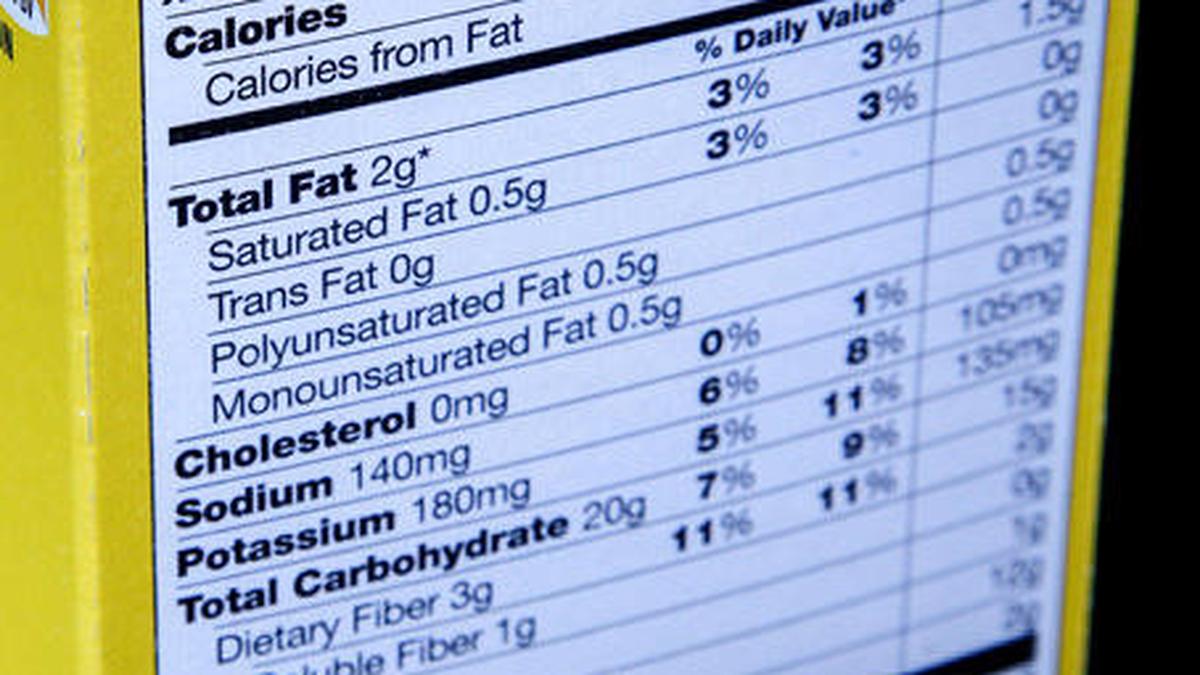
Front-of-package nutrition labelling has been under active consideration across India's policy landscape for years amid growing alarm over the rise of diet-related health complications. While existing frameworks mandate detailed nutrient tables on the back or side of packages, consumer advocacy organizations have consistently argued that such technical charts remain inaccessible or difficult to interpret for average shoppers during routine purchases.
The Food Safety and Standards Authority of India has engaged in multiple rounds of stakeholder discussions, draft regulations, and committee reviews over the design of package warnings. Health policy observers have expressed concern that protracted deliberations and alternative proposals, such as star ratings, risked weakening the clarity needed to alert consumers about excessive concentrations of unhealthy substances.
The differentiation between total and added ingredients has represented a central point of contention in defining food safety thresholds. Food industry representatives have frequently advocated for assessing only added sugars, whereas nutrition researchers emphasize that the biological impact of high sugar intake depends on total consumption, making comprehensive disclosures vital for public welfare.
Similarly, the judicial mandate to evaluate saturated fats alongside salt highlights the dual imperative of managing lipid profiles and sodium exposure in packaged dietary products. Elevated dietary intake of sodium, saturated fats, and sugars is well recognized as a major contributor to non-communicable conditions, including hypertension, cardiovascular disease, and type 2 diabetes.
The court's four-month timeframe places immediate responsibility on the regulatory authority and signals consequential adjustments for domestic and multinational food companies operating in India. Packaged food manufacturers will likely need to re-evaluate their recipe profiles and prepare for redesigning product packaging once the definitive standards are established.
Public health practitioners emphasize that clear front-of-package labels are among the most effective non-fiscal interventions to help households make healthier dietary choices. Direct visual warnings on the front of boxes and wrappers allow buyers to rapidly compare competing products and recognize items that exceed recommended daily dietary limits.
With the clock running on the judicial deadline, the Food Safety and Standards Authority of India must now finalize the statutory framework, notification procedures, and operational guidelines. The forthcoming regulations will determine the exact visual symbols, nutrient thresholds, and transition periods granted to the packaged food sector across the country.
Primary source: The Hindu. Newzly rewrites and structures source reporting for clarity; verify critical details at the original.