Suspected Bomb Hoax Threats Force Fresh Disruptions Across Italian Schools
A second day of mass emailed bomb threats triggered disruptions across Italian schools, prompting government reassurances and new guidance aimed at curbing unnecessary panic and evacuations.
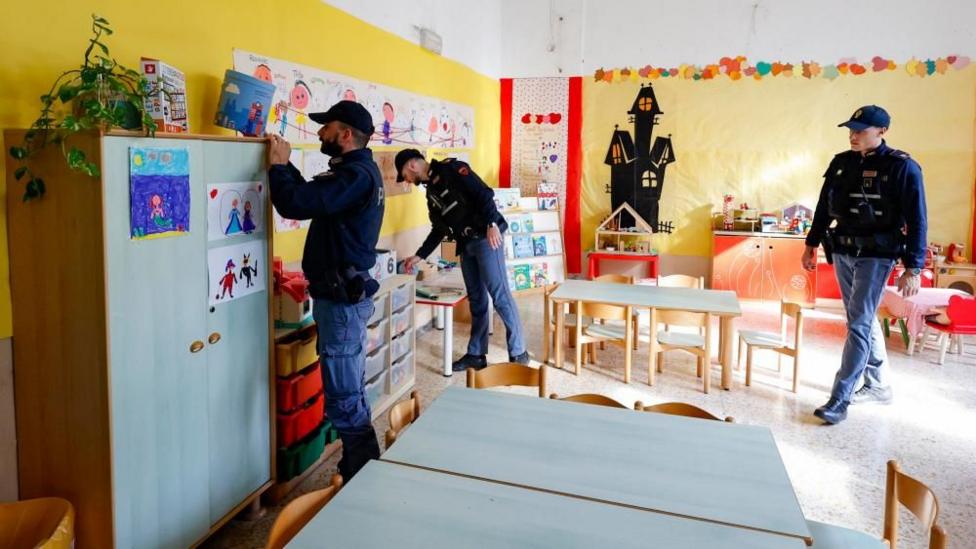
Schools across Italy faced fresh disruption and localized evacuations for a second consecutive day following another barrage of automated bomb threats delivered by email. Italian security forces and emergency responders were deployed to inspect campuses nationwide, though authorities quickly reiterated that the messages appeared to be part of a coordinated hoax campaign.
The renewed wave of alerts followed an unprecedented incident a day earlier, when roughly 6,300 state educational institutions received messages warning of concealed explosive devices. While initial alerts triggered widespread alarm, rushed evacuations, and classroom dismissals in several municipalities, law enforcement inspections turned up no evidence of any explosive hazards.
According to investigators, the threatening emails purported to originate from an individual using the alias Mikhail Andropov, claiming leadership of an obscure fringe collective referred to as the Vilayat of Misoginistan. The missives, which made vague claims of impending violence, bore hallmarks of automated mass dissemination and were linked to a digital disinformation moniker known as Red Owl.
Italian Prime Minister Giorgia Meloni addressed the situation, reassuring the public that intelligence and cyber units had identified no concrete danger to students or educators. Meloni described the mass mailings as an orchestrated effort intended to sow panic, disorient civil administration, and force costly public safety deployments across the country.
In response to the recurring disruptions, education and interior officials issued updated guidance to headteachers and regional school boards, advising against immediate automatic evacuations upon receipt of mass-circulated emails. Authorities emphasized that school administrators should first consult local police commands before deciding whether to clear buildings, preventing unnecessary panic and instructional downtime.
The security scares in Italy coincide with a broader pattern of low-sophistication digital harassment targeting institutions across Europe in recent weeks. Similar hoax bomb threats and disruption attempts were recently logged by educational facilities in parts of Scotland and Northern Ireland, as well as several European broadcasters and passenger aviation routes.
Specialized cybercrime units within Italy's postal police have initiated forensic tracing to locate the origins of the servers and proxies utilized in transmitting the messages. Officials noted that attributing automated mass threats often proves intricate, as perpetrators typically leverage encrypted mail services, spoofed headers, and virtual private networks to obscure their geographic footprint.
Security analysts emphasize that while such hoaxes present minimal kinetic danger, they exploit systemic emergency protocols to inflict significant logistical chaos and psychological strain on communities. Public safety agencies are increasingly forced to balance strict safety precautions against the risk of falling prey to hostile actors seeking to paralyze public infrastructure through digital friction.
Italian prosecutors have opened formal proceedings into public alarm offences and threat dissemination, pledging to coordinate with international law enforcement counterparts to trace the digital infrastructure behind the campaign. For now, schools across Italy have been instructed to maintain heightened vigilance while continuing standard academic routines under adjusted security guidelines.
Primary source: BBC World. Newzly rewrites and structures source reporting for clarity; verify critical details at the original.