Tata Sons Chairman N. Chandrasekaran's Third Term Challenged in Bombay High Court
The Bombay High Court is set to hear a legal challenge against the reappointment of Tata Sons Chairman N. Chandrasekaran for a third five-year term approved on September 17.
In this piece
A petition challenging the third five-year term of Tata Sons Chairman N. Chandrasekaran has reached the Bombay High Court for a hearing. The legal challenge…
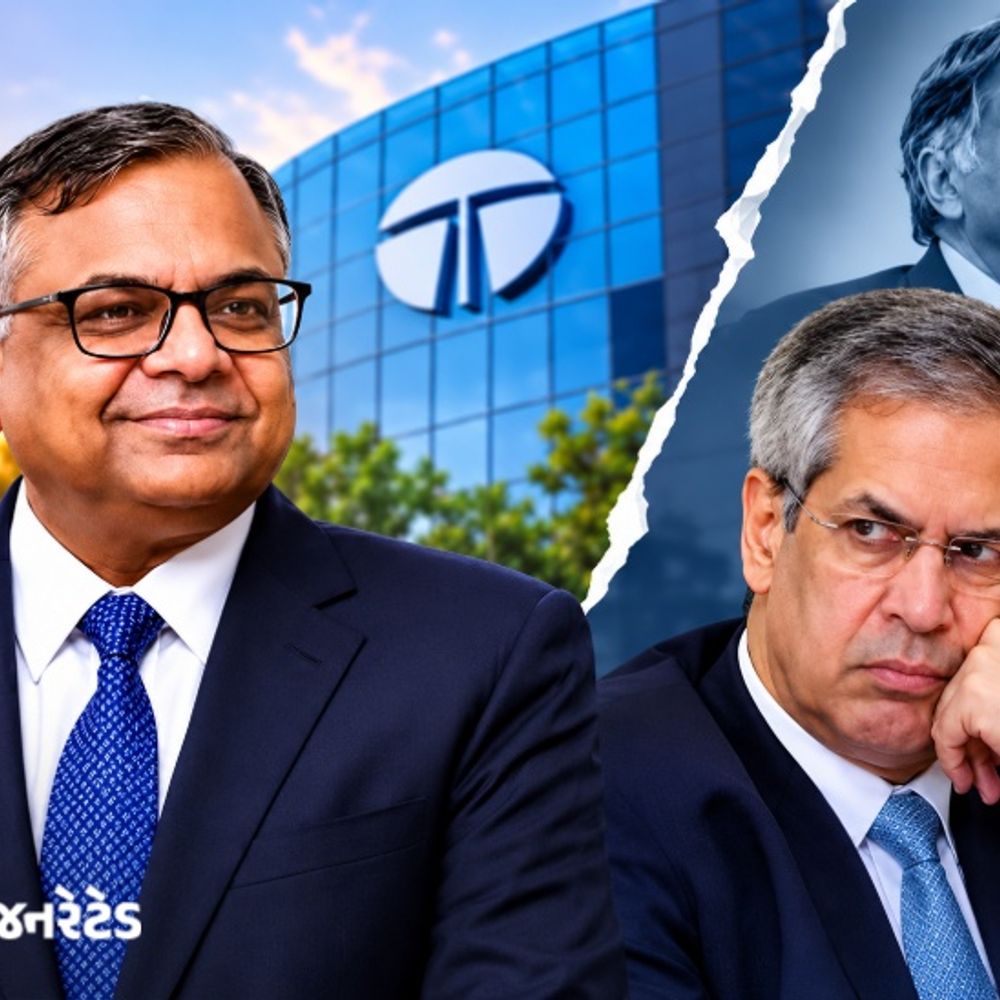
The Bombay High Court is scheduled to hear a petition challenging the reappointment of Tata Sons Chairman N. Chandrasekaran for a third term. The legal challenge questions the corporate resolution passed on September 17 that granted the executive another five-year tenure at the helm of the conglomerate. The proceedings put immediate judicial focus on the leadership succession and governance practices of one of India's most prominent industrial groups.
The plea brought before the High Court seeks formal intervention regarding the validity and procedural legitimacy of the leadership extension approved by the Tata Sons board. Legal representatives are expected to present arguments examining whether internal governance guidelines and statutory requirements were strictly adhered to during the voting process. The challenge highlights critical questions regarding how decisions of this magnitude are debated and sanctioned within the board.
On September 17, the board of Tata Sons formally approved a resolution granting Chandrasekaran a third term consisting of a five-year mandate. The reappointment was intended to provide strategic continuity across the vast commercial operations of the multi-industry enterprise. However, the legal contest suggests that the resolution encountered procedural friction that has now escalated into open judicial scrutiny.
Chandrasekaran has steered the conglomerate through widespread business expansions, portfolio consolidations, and major capital investments since first assuming the chairmanship. A third consecutive term spanning an additional five years represents an extensive leadership tenure for the holding entity. Such long-term appointments at major corporate holdings routinely draw close evaluation from institutional observers and key governance analysts.
Central to the court proceedings is an examination of the decision-making rules governing the principal holding entity of the Tata group. The petition raises questions over whether the necessary consents, nomination protocols, and internal voting thresholds were properly respected during the September meeting. Observers note that challenges of this nature often scrutinize whether minority protections and board representation guidelines were fully maintained.
Because Tata Sons functions as the primary investment holding firm for major listed operating companies, any legal questioning of its top executive carries substantial commercial significance. Industry analysts point out that courtroom disputes over executive leadership can introduce uncertainty across capital markets and corporate partnerships. The outcome could establish important precedents for how corporate boards handle executive reappointments and stakeholder consensus.
While the specific filings are being considered by the bench, the case reflects broader debate surrounding corporate governance in family-founded and trust-backed conglomerates. By bringing the matter before the judiciary, the petitioners have signaled that internal administrative remedies were insufficient to resolve the dispute. The court's willingness to hear the plea ensures that the mechanics of the boardroom resolution will face rigorous legal examination.
During the scheduled hearing, the High Court is expected to address preliminary legal questions regarding the maintainability of the petition. The bench will evaluate initial submissions from the petitioners seeking urgent intervention, alongside arguments presented by counsel representing the company's leadership. The judges will decide whether any interim directions are warranted while the broader merits of the challenge are reviewed.
According to coverage from Divya Bhaskar Business, today's court session will be crucial in defining how the leadership contest moves forward. Business analysts and corporate legal experts will be monitoring whether the court chooses to stay or modify any aspect of the September 17 resolution or directs the matter toward further detailed hearings. A decisive ruling could significantly influence the governance dynamics of the conglomerate as it navigates this high-profile legal challenge.
Primary source: Divya Bhaskar Business. Newzly rewrites and structures source reporting for clarity; verify critical details at the original.