world·Telangana·Hyderabad District
Telangana High Court Overturns Dismissal of Criminal Appeal for Non-Prosecution
The Telangana High Court has ruled that criminal appeals against convictions cannot be dismissed for non-prosecution, directing appellate benches to decide cases on merit or appoint legal aid counsel when advocates fail to appear.
In this piece
The Telangana High Court set aside a sessions court order dismissing an appeal against an IPC Section 354 conviction over non-appearance. Justice J. Sreenivas…
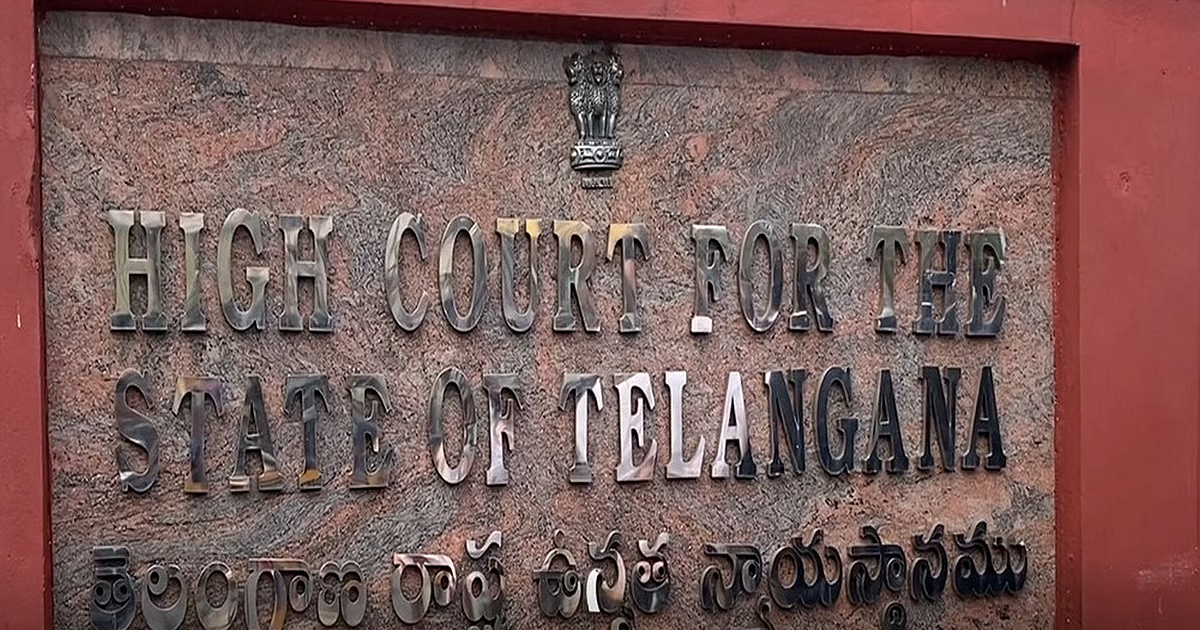
The Telangana High Court has set aside a sessions court order that dismissed a criminal appeal for non-prosecution, ruling that appeals against criminal convictions cannot be thrown out simply because an appellant or their advocate failed to appear. Justice J. Sreenivas Rao held that appellate courts have a statutory obligation to adjudicate such matters on their merits rather than dismissing them on technical default grounds.
The ruling came on a revision petition filed by Khurshid Anwar Bakshi, an electro-homeopathic practitioner who was convicted in 2019 under Section 354 of the Indian Penal Code for outraging the modesty of a woman. A court of the XII Additional Chief Metropolitan Magistrate in Hyderabad had sentenced him to pay a fine of 10,000 rupees following the trial proceedings.
Bakshi had subsequently challenged the trial magistrate's conviction and sentencing order by filing a statutory appeal before the V Additional Sessions Judge in Hyderabad. However, the sessions court eventually dismissed his appeal for non-prosecution after neither the petitioner nor his defense counsel appeared during hearings, despite a prior conditional order issued by the bench.
Aggrieved by the dismissal of his appeal without a hearing on the underlying facts, the petitioner approached the High Court seeking restoration of his plea. Justice Sreenivas Rao concluded that the lower appellate judge erred in closing the case for default, noting that criminal justice procedures require courts to independently examine the evidence before reaching a final resolution.
In arriving at the decision, the High Court relied on authoritative Supreme Court precedents, including rulings in K.S. Panduranga v. State of Karnataka and Dhananjay Rai v. State of Bihar. Those apex court judgments established that once an appeal against a criminal conviction is admitted, the appellate forum must scrutinize the record and dispose of the matter based on substantive legal analysis.
Justice Rao reiterated that when an appellant or their retained counsel fails to appear, the court should not take the shortcut of dismissing the appeal. Instead, the bench is obligated to nominate an amicus curiae or assign legal aid counsel to assist the court and present arguments on behalf of the absent appellant.
The judgment reinforces a vital distinction in Indian procedural law between civil litigation and criminal appellate review. While civil disputes may be dismissed for failure of the plaintiff or appellant to prosecute, criminal appeals involve determinations of guilt that affect personal freedom, public record, and civil standing, precluding summary dismissals.
In Bakshi's situation, the sessions court had terminated the appeal purely over scheduling defaults without assessing whether the evidence supported the magistrate's findings under Section 354. The High Court determined that discarding the appeal without considering the evidentiary record defeated the purpose of statutory appellate remedies provided under the Code of Criminal Procedure.
Consequent to the ruling, the High Court set aside the dismissal order and remanded the proceedings back to the V Additional Sessions Court in Hyderabad for fresh adjudication on merits. The appellate court has been directed to evaluate the trial records, consider the rival submissions in accordance with established principles, and deliver a reasoned judgment on the conviction.
Primary source: Google News Telangana. Newzly rewrites and structures source reporting for clarity; verify critical details at the original.