Telangana Leads India in VB-G RAM G Rural Works Amid Severe Drought
Driven by drought conditions and a sharp downturn in agricultural activity, Telangana has recorded the highest number of active work sites in India under VB-G RAM G while ranking third in employment generation.
In this piece
Telangana has taken the national lead in active rural work sites under the VB-G RAM G scheme, accounting for nearly 18 percent of all ongoing projects across…
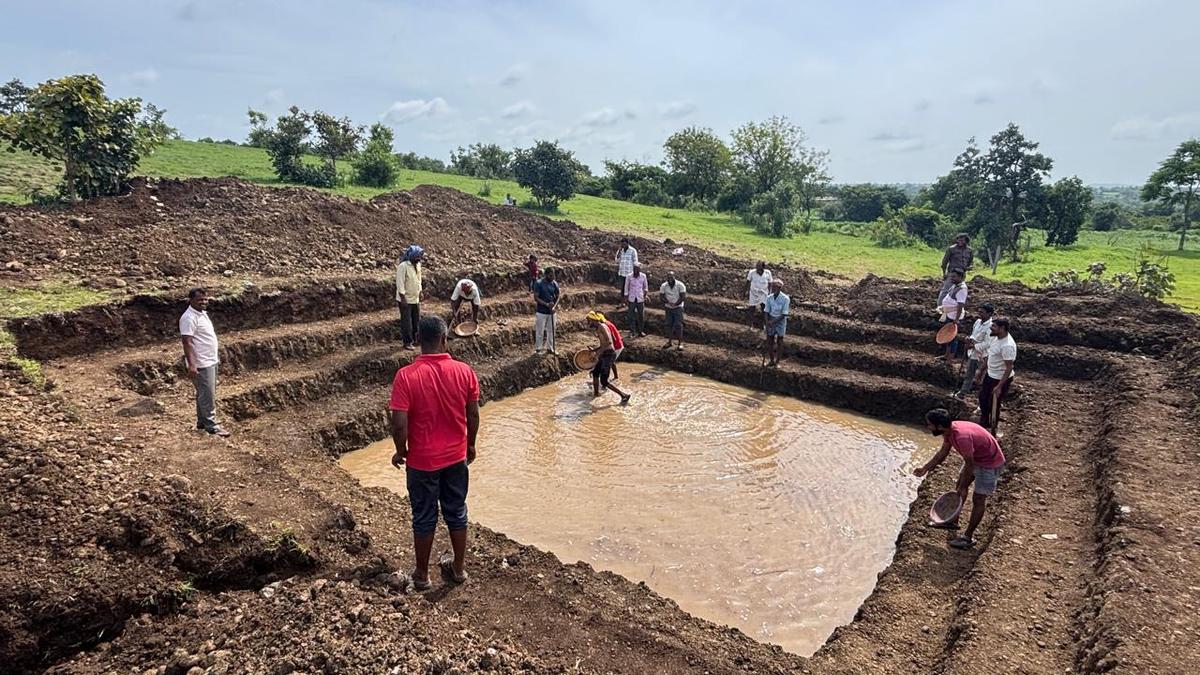
Telangana has emerged as the leading state in India in terms of active work sites initiated under the Viksit Bharat – Guarantee for Rozgar and Ajeevika Mission (Gramin), or VB-G RAM G. Official attendance figures recorded 45,975 active work locations across the state, placing it at the top spot nationally. In overall employment generation, Telangana ranked third nationwide, trailing neighboring Tamil Nadu and Andhra Pradesh.
The 45,975 operational work sites in Telangana represent approximately 17.81 percent of all ongoing rural works logged across Indian states and union territories. During the reporting period, the state mobilized 1,31,032 muster rolls to manage work crews. Through these deployments, Telangana generated 5,52,643 person-days of unskilled manual labor, reflecting massive rural workforce mobilization.
While Telangana claimed the highest number of discrete work sites, Tamil Nadu and Andhra Pradesh surpassed it in aggregate person-days of employment generated. The two neighboring southern states secured the first and second spots in total labor volume, respectively. Together, the three southern states formed the core concentration of nationwide rural employment activity under the newly structured program.
The sharp rise in demand for wage employment across rural Telangana has been largely catalyzed by severe drought conditions and water stress. Deficits in irrigation supplies, worsened by the broader effects of the El Nino weather pattern, sharply curtailed agricultural operations during the season. With farm fields lying fallow and routine sowing disrupted, rural households turned en masse to government-backed wage work for subsistence.
Agricultural labor typically serves as the primary livelihood engine for landless families and smallholders throughout the state during normal seasonal cycles. However, dry spells and depleted reservoir levels severely limited both crop acreage and daily wage opportunities in the private agrarian economy. The statutory employment framework consequently stepped in as a vital economic safety net against rural income collapse.
The VB-G RAM G framework serves as the national successor to the long-standing Mahatma Gandhi National Rural Employment Guarantee Act, known as MGNREGA. Designed to provide guaranteed unskilled wage labor to rural households, the updated framework aims to combine livelihood security with durable rural infrastructure creation. The surge in uptake highlights how essential public employment guarantees remain during climate-induced farming downturns.
Managing more than 45,000 active worksites required extensive administrative coordination by state and local panchayat-level functionaries. Officials were tasked with verifying muster rolls, maintaining daily digital attendance records, and ensuring timely site allocations as distress migration pressures mounted. The high site density allowed distributed employment access across widely dispersed habitations rather than concentrating laborers in distant projects.
The substantial volume of person-days generated underscores the program's macroeconomic function in sustaining purchasing power across rural Telangana. Without access to guaranteed wage payments, prolonged dry spells risk compounding household debt, depressing rural consumer demand, and triggering involuntary distress migration to urban centers. The rapid expansion of worksites provided direct liquidity to vulnerable families navigating erratic climatic conditions.
Sustaining this high tempo of rural public employment will depend on timely wage disbursements and continued material funding allocations as drought conditions persist. State authorities and rural development observers will be closely tracking weather forecasts, water reservoir replenishment, and central fiscal releases. For rural communities across Telangana, the accessibility and regularity of daily wage work remain the most immediate safeguard until agricultural conditions normalize.
Primary source: Google News Telangana. Newzly rewrites and structures source reporting for clarity; verify critical details at the original.