Texas AD Clarifies AI Role After Failed Play in Florida Loss
Texas athletic director Chris Del Conte moved to clarify reports that the football program relied on artificial intelligence during a critical fourth-down failure against Florida, stating the technology was referenced only as a conceptual example.
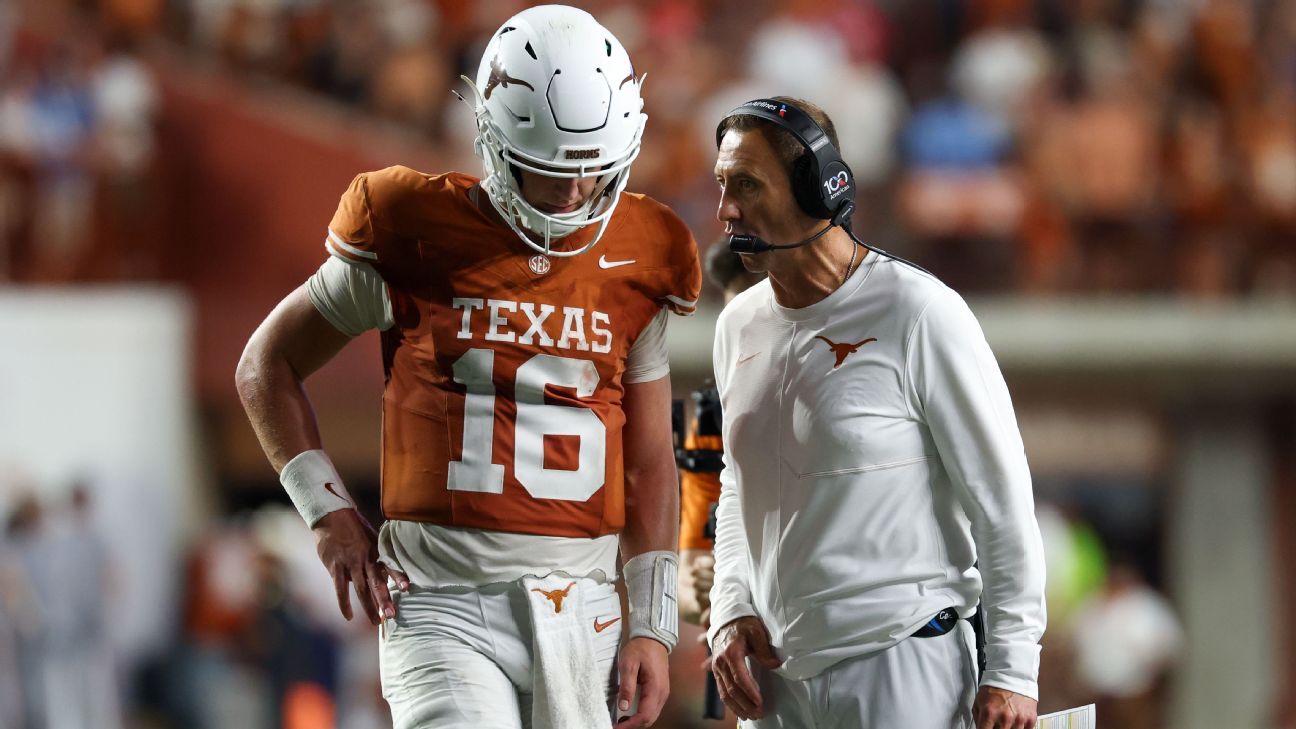
University of Texas athletic director Chris Del Conte moved Friday to clarify reports suggesting the Longhorns relied on artificial intelligence to make a pivotal play-calling decision during last week's defeat against Florida. Del Conte addressed the growing controversy after public comments sparked speculation that the football program had handed over critical in-game strategy to an analytical algorithm.
The confusion originated from an interview published by the Austin American-Statesman concerning the university's newly introduced sports analytics initiative, known as Bevo Lab. In discussing the venture, Del Conte referenced a high-leverage fourth-quarter situation from the Florida matchup, which led readers and commentators to infer that head coach Steve Sarkisian's staff executed the play based on live machine recommendations.
The sequence in question occurred late in the game with Texas trailing Florida 20-17. Facing a crucial fourth-and-2, the Longhorns chose to keep their offense on the field rather than punt, but the conversion attempt fell short when quarterback Arch Manning was brought down for a three-yard loss.
Following intense discussion across college football circles, Del Conte clarified to sports media outlets that his comments had been misinterpreted. He emphasized that the fourth-and-2 scenario was merely offered as a hypothetical illustration of the types of situations an advanced data model could evaluate, rather than a directive issued to the sideline during live action.
Texas launched Bevo Lab to explore modern data science and computational modeling across various athletic disciplines, aiming to enhance preparation, scouting, and performance metrics. While college athletic departments increasingly invest in proprietary technology and predictive modeling, live implementation during games remains governed by strict internal protocols and league regulations.
The initial narrative sparked immediate debate among analysts and supporters over the limits of automation in high-stakes college athletics. Skeptics questioned whether algorithmic models should hold sway over seasoned coaching staffs, particularly in late-game scenarios where human instinct, opponent alignment, and player momentum traditionally dictate choices.
Advanced analytics and probability engines have become commonplace in both professional and collegiate sports over recent seasons, especially regarding fourth-down aggression and clock management. However, athletic programs have typically treated machine learning outputs as supplementary research tools designed to guide weekly game plans rather than automated play-callers operating during active drives.
Del Conte's clarification sought to draw a firm boundary between experimental analytical tools and real-time coaching accountability. University officials stressed that tactical calls, personnel rotations, and high-pressure gambles remain entirely in the hands of the coaching staff on the field.
As Texas moves forward through its competitive schedule, the athletic department is expected to continue developing its analytical infrastructure while keeping decision-making authority firmly with Sarkisian and his staff. The episode underscores the delicate balancing act facing major programs as they integrate emerging technologies under intense public and competitive scrutiny.
Primary source: ESPN. Newzly rewrites and structures source reporting for clarity; verify critical details at the original.