Texas Defends Disputed Execution as Witness Cites Severe Agony
Texas prison authorities insist a recent lethal injection went as planned, despite witness accounts describing intense screams and severe distress from death row inmate Reinaldo Dennes.
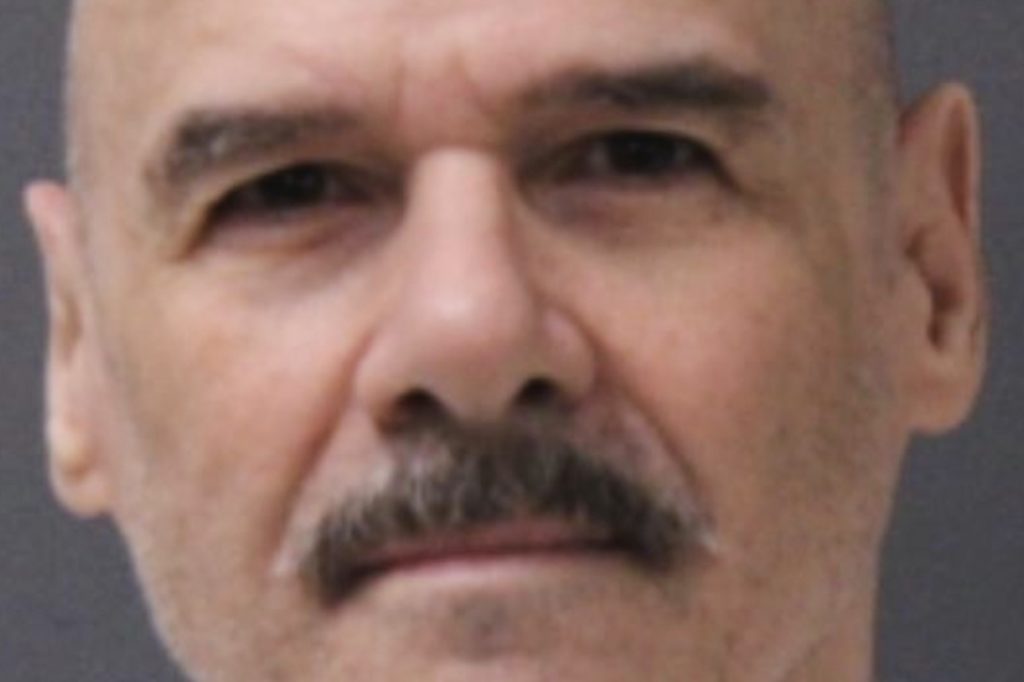
In this piece
Witnesses reported harrowing screams and severe distress during the Texas execution of Reinaldo Dennes after technicians struggled to place intravenous lines.…
Texas prison officials are defending the lethal injection of death row inmate Reinaldo Dennes after witnesses reported harrowing moments of agony in the death chamber. Despite state assertions that the lethal procedure went according to plan, witnesses and his spiritual adviser recounted screams of severe pain and a prolonged search for viable veins.
The 70-year-old inmate was executed at the Huntsville Unit in Walker County following a protracted delay while medical staff struggled to insert intravenous lines. After repeated unsuccessful attempts to access veins in his arms and hands, technicians placed intravenous lines into his neck and left foot. Once the pentobarbital began flowing, Dennes cried aloud in distress, shouting about unbearable burning pain in his leg and pleading for an end to the suffering.
Witnesses present in the execution chamber, including media observers and Dennes's spiritual adviser, the Reverend Jeff Hood, described a scene of profound physical trauma. Hood, who stood beside the gurney with his hand on Dennes's shoulder, stated that the condemned man was clearly in tremendous distress and appeared to writhe violently as the lethal chemicals entered his system. The minister publicly labeled the execution as torture, contending that the sedative failed to render Dennes promptly unconscious as intended by state protocols.
In contrast, the Texas Department of Criminal Justice firmly pushed back against accusations that the execution had been mishandled or botched. An agency spokesperson maintained that the execution was administered strictly under established state guidelines and insisted that the process functioned as designed. Prison officials also questioned the authenticity of the inmate's vocal outbursts, suggesting his physical reactions may have been exaggerated rather than caused by physiological failure of the sedative.
Dennes was sentenced to death for the 1996 robbery and murder of Houston diamond merchant Janos Szucs. Prosecutors established during his capital trial that Dennes fatally shot Szucs during an armed holdup before fleeing with valuable gems and cash. Dennes spent nearly three decades on Texas's death row navigating numerous state and federal appeals before his final legal challenges were exhausted.
The disputed execution has reignited fierce national debate surrounding lethal injection protocols and the physical vulnerabilities of aging death row populations. As inmates spend decades on death row, chronic medical conditions, compromised vasculature, and advanced age increasingly complicate intravenous catheter placement. Similar vein access failures and agonizing delays have disrupted scheduled executions in multiple states across the country over recent years.
Capital punishment monitors and civil rights advocates argue that the state's defensive stance highlights a troubling lack of independent oversight inside execution chambers. Because the lethal injection process occurs behind closed prison doors, observers note that conflicting accounts between state administrators and independent witnesses rarely receive transparent, third-party investigations. Legal scholars emphasize that such discrepancies undermine public confidence in the constitutionality of capital punishment methods under Eighth Amendment standards.
Opponents of capital punishment and defense attorneys plan to cite Dennes's execution in future court challenges against the state's lethal injection protocol. While Texas officials show no intention of altering their execution guidelines or suspending scheduled lethal injections, scrutiny from civil liberties groups is expected to intensify. As more legal filings challenge the reliability of state execution protocols, courtrooms across the nation will continue weighing whether persistent complications violate constitutional protections against cruel and unusual punishment.
Primary source: Google News Texas. Newzly rewrites and structures source reporting for clarity; verify critical details at the original.