The Largest Crypto Hacks in History Ranked by Dollar Value and Bitcoin Stolen
While Binance's reported $6.3 billion breach sets modern records in dollar terms, ranking historical crypto heists by lost bitcoin reveals how shifting market cycles dramatically alter the true scale of digital theft.
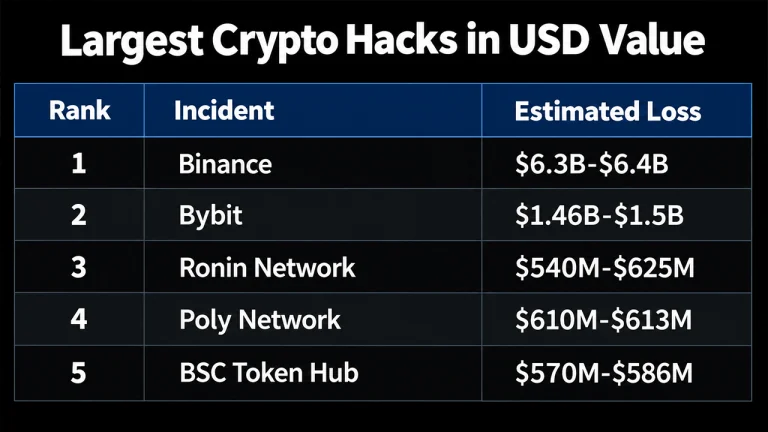
A recent assessment of major cryptocurrency security incidents highlights how the perspective on digital asset theft shifts depending on the measuring metric used. While a reported 6.3 billion dollar breach involving Binance has set records in conventional dollar terms, historical comparisons reveal a different scale when losses are tracked directly in native bitcoin balances.
Measuring digital heists strictly by fiat currency valuation often reflects prevailing market pricing rather than the physical volume of tokens compromised. Over the lifespan of the cryptocurrency sector, massive price fluctuations mean that older security breaches involving immense coin quantities can appear modest in dollar terms, whereas modern incidents look staggeringly expensive despite involving fewer coins.
The collapse of early digital exchange Mt Gox remains one of the clearest examples of this valuation disparity. Hundreds of thousands of bitcoin vanished during the platform's multi-year ordeal, representing a massive fraction of all tokens circulating at that time. When viewed purely through the lens of underlying digital assets lost, the incident towers over modern security breaches that register smaller token deficits.
By contrast, more recent high-profile incidents demonstrate how rising market valuations amplify fiat headlines. The 1.5 billion dollar debacle involving exchange Bybit, alongside the reported 6.3 billion dollar figure linked to Binance, shows how contemporary breaches quickly eclipse past milestones on balance sheets. These modern incidents underscore how rapidly dollar-denominated exposure can escalate as liquidity and market capitalizations expand.
Distinguishing between token count and fiat conversion value is critical for market analysts, risk assessors, and affected users seeking to understand systemic impact. A loss measured in native tokens highlights the structural drain on platform reserves and user holdings regardless of daily price swings. Conversely, dollar-denominated rankings illustrate immediate balance-sheet liabilities, restitution challenges, and broader exposure for operating entities.
The sheer scale of these recorded losses highlights ongoing security vulnerabilities across digital asset custody and exchange platforms. Centralized platforms and custodial intermediaries continue to hold vast concentrations of capital, making them prime targets for sophisticated intrusion attempts. Whether losses are denominated in billions of dollars or hundreds of thousands of coins, the operational fallout frequently strains platform solvency and tests user trust.
The divergence in accounting also complicates the recovery and reimbursement process following catastrophic security breaches. Compensating claimants based on historical fiat valuations versus the restored quantity of underlying tokens has fueled persistent legal and financial debate across historic cases. Discrepancies between the dollar value at the moment of compromise and subsequent asset price trajectories often leave institutional operators and individual depositors in complex disputes.
As security researchers and industry observers continue to track the sector's largest historical thefts, the comparative rankings remain dynamic across market cycles. Industry analysts note that whether the industry measures calamity through record-breaking dollar figures or the sheer volume of lost bitcoin, the recurring lesson centers on strengthening custodial architecture. Moving forward, the true magnitude of any future breach will likely continue to be judged along both axes as digital markets mature.
Primary source: Bitcoin.com News. Newzly rewrites and structures source reporting for clarity; verify critical details at the original.