Tinned Food and Long-Life Milk Lift October Retail Sales Following 'Be Ready' Campaign
Official data shows retail sales climbed in October as consumers stocked up on tinned goods and long-life milk following the 'Be Ready' campaign launch, providing a significant lift to grocery retailers.
In this piece
Official economic figures show retail sales rose in October, driven by a surge in purchases of long-life milk and tinned food. The unexpected boost followed the…
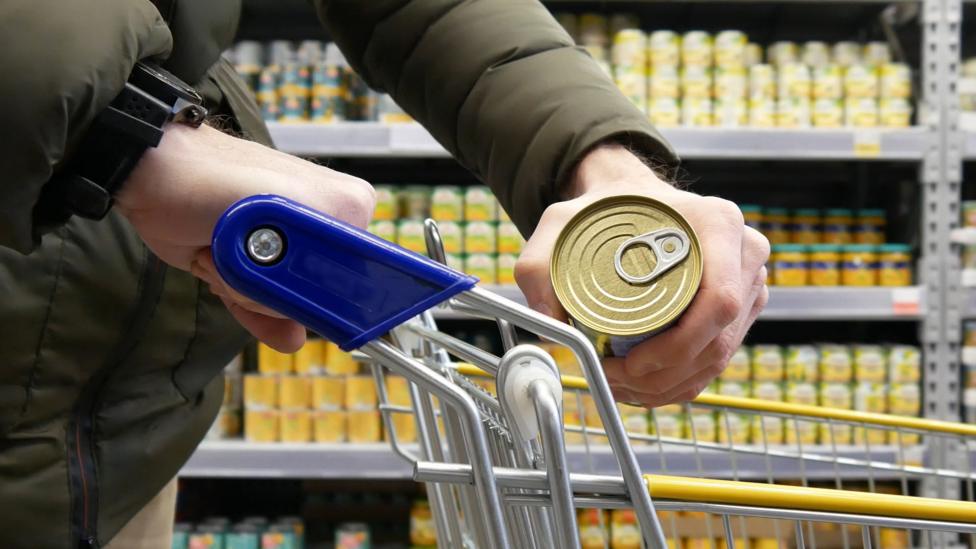
Official economic data shows retail sales volumes rose in October, bolstered significantly by consumers stocking up on non-perishable goods such as tinned food and long-life milk. The notable surge in purchases followed the recent launch of a public "Be Ready" campaign, which prompted households across communities to secure basic supplies. The uptick provided an unexpected lift to top-line retail performance for the month as shoppers focused resources on household essentials.
The rise in grocery demand was particularly visible in shelf-stable food aisles, where shoppers concentrated their spending on long-lasting nutritional items. Checkout figures and distribution tracking reflected a marked increase in sales for items designed for extended pantry storage, easily outpacing several conventional retail categories. Retailers noted that consumer carts were disproportionately filled with canned goods, dried goods, and shelf-stable dairy cartons.
The shift in purchasing patterns emerged directly in the wake of the "Be Ready" initiative, which encouraged families to establish baseline preparedness in their homes. While such public awareness efforts are designed to build broad civic resilience, the immediate consumer response translated into immediate transaction volume across major retail channels. Analysts noted that the messaging resonated quickly with consumers who chose to act proactively by bolstering domestic stores.
Retail analysts and macroeconomists track staple purchasing closely, as emergency stocking trends can temporarily distort baseline measures of consumer sentiment. Evidence from official tracking highlights that non-perishable staples provide a direct window into how swiftly the public internalizes institutional guidance. In this instance, consumer reaction appeared concentrated and rapid, creating a sudden demand spike within the grocery segment.
Supermarket chains and independent food suppliers frequently adjust inventory protocols when public advisory notices influence consumer buying priorities. The concentration of sales around shelf-stable groceries challenges regular distribution networks, requiring warehouses to accelerate replenishment for high-turnover staples. Supply chain managers must manage these concentrated waves of demand to prevent spot shortages while keeping standard inventory flowing smoothly.
The boost provided by preparedness shopping comes at a pivotal period for retailers navigating complex broader economic conditions. While elevated spending on essential food products bolsters aggregate retail sales metrics, economists note that it does not necessarily signal stronger consumer confidence overall. When households allocate higher shares of their disposable budgets toward defensive food reserves, discretionary categories such as apparel and home furnishings often experience subdued engagement.
Consumer psychology research indicates that readiness drives often generate swift waves of front-loaded consumption rather than sustained long-term volume gains. Households participating in preparedness stocking tend to purchase several weeks or months of supplies in a single concentrated window. Consequently, market observers frequently anticipate a corresponding lull in staple purchases in subsequent periods once basic pantry targets have been reached.
Statistical agencies continue to examine the wider implications of the October performance to assess whether the spending bump will carry lingering effects into late-year reporting. Economists urge careful interpretation of single-month data releases, noting that short-term shocks driven by awareness campaigns require cautious seasonal adjustment. Further data breakdowns will help clarify how much of the surge represented incremental spending rather than simple displacement of future grocery budgets.
Looking ahead, forthcoming retail indices and quarterly corporate earnings updates will shed light on whether stocking trends stabilize into winter. Forecasters and retail executives will track consumer habits closely to determine whether shoppers return to routine purchasing cycles or maintain elevated caution. The performance of the retail sector through the remainder of the quarter will ultimately reveal whether the "Be Ready" effect was a transitory spike or the catalyst for sustained shifts in household budgeting.
Primary source: BBC Business. Newzly rewrites and structures source reporting for clarity; verify critical details at the original.