world·Manipur·Chandel District
Toxic Liquor Tragedy in Manipur Leaves 15 Dead and Hundreds Hospitalized
At least 15 people have died and hundreds have been hospitalized in Manipur after consuming suspected toxic liquor. Multiple critically ill patients are currently undergoing emergency dialysis in Imphal facilities as authorities launch a formal probe.
In this piece
A suspected spurious liquor disaster in Manipur’s Chandel district has claimed 15 lives, with over 600 people seeking medical treatment across regional and…
At least 15 people have died and hundreds more have been hospitalized in Manipur after consuming suspected toxic liquor in the state's southeastern region. The incident has triggered a severe public health crisis, leaving medical infrastructure stretched as victims flood local clinics and tertiary care centers. Health authorities and local law enforcement have launched an emergency response to manage the influx and identify the origin of the contaminated brew.
The tragedy unfolded primarily across the Chakpikarong subdivision within Chandel district, where dozens of residents fell violently ill shortly after drinking the illicit alcohol. As local dispensaries and primary care clinics were quickly inundated, medical staff faced an overwhelming caseload of deteriorating patients. District administrators immediately organized emergency transit convoys to move the most severely affected individuals to advanced care centers.
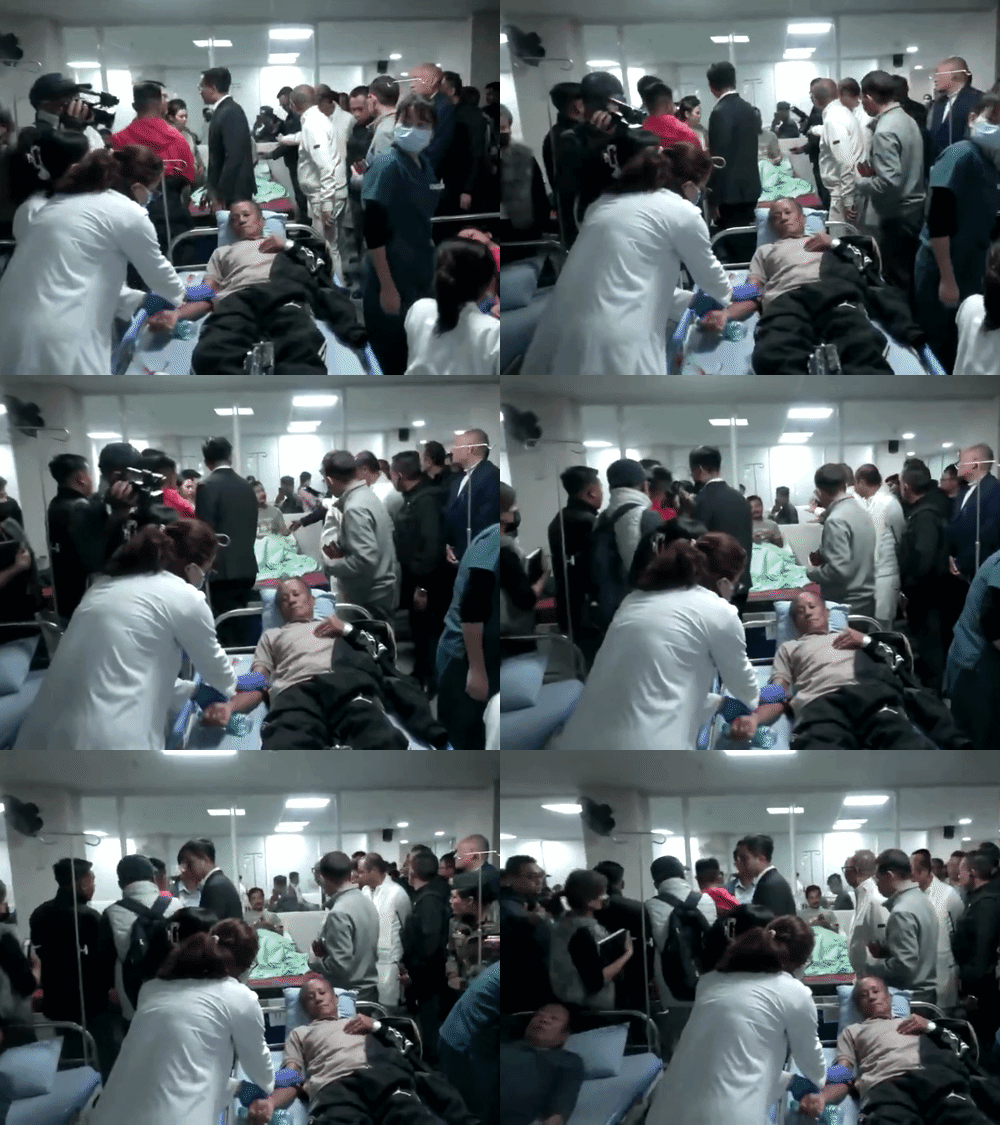
Dozens of victims exhibiting life-threatening complications were transferred to major tertiary hospitals in the state capital of Imphal, including Shija Hospitals and Research Institute and Babina Hospital. Critical care specialists in these facilities initiated emergency hemodialysis for patients presenting with sudden renal failure and severe metabolic imbalance. Hospital bulletins indicated that several victims were admitted in precarious condition, requiring mechanical ventilation and continuous monitoring.
Attending physicians reported that the hospitalized patients presented clinical indicators strongly consistent with acute methanol toxicity. Common symptoms included severe abdominal pain, persistent vomiting, dizziness, mental confusion, and sudden visual impairment. Medical experts noted that methanol is often added by unscrupulous bootleggers to increase potency, but its metabolic breakdown produces compounds that attack the optic nerve and cause catastrophic organ failure.
Local and regional media reports indicated that more than 600 individuals sought medical examinations across community health outposts and district hospitals following the outbreak. The scale of the admissions reflected both the widespread distribution of the contaminated batch and panic among villagers who feared delayed symptoms. Public health teams initiated door-to-door tracking in affected villages to ensure anyone who had consumed the alcohol received timely medical assessment.
Preliminary findings from law enforcement investigations suggested the tainted alcohol had been transported into Chandel from Sugnu, a locality in the neighboring Kakching district. Police officials emphasized that Chandel does not have a history of large-scale domestic brewing operations, indicating the consignment entered through clandestine regional distribution networks. Investigators have begun tracing the supply route and questioning local vendors to identify the original source of the adulterated alcohol.
The Manipur state government ordered a comprehensive inquiry into the incident, pledging strict punitive action against all individuals involved in manufacturing and distributing the lethal brew. Senior state leaders, including the Chief Minister, visited the hospitalized victims in Imphal to review treatment protocols and console affected families. State representatives assured the public that the government would bear the medical expenses of those undergoing critical treatment.
To stabilize patients in remote hill areas who could not easily travel to Imphal, the state health department dispatched specialized medical teams and essential supplies directly into Chandel. Senior physicians in internal medicine and emergency care arrived with batches of antidote medications and renal support equipment. Primary health centers throughout the region have been placed on continuous high alert to manage any newly arriving cases.
The Chandel district administration issued an urgent public health advisory directing all residents to completely avoid purchasing or consuming unregulated, locally brewed alcohol. District officials enlisted village authorities, traditional community leaders, and local youth organizations to broadcast warnings across rural settlements. The advisory stressed that anyone experiencing blurred vision, nausea, or abdominal distress must report immediately to the nearest healthcare facility.
Incidents involving spurious liquor remain a recurrent public health challenge across India, typically stemming from illicit brewing networks that bypass safety standards to cut production costs. While state authorities periodically conduct enforcement raids against bootleggers, illegal distribution rings frequently exploit remote geographic boundaries and informal rural markets. Public health advocates have long urged stricter chemical regulation of industrial methanol alongside sustained grassroots enforcement.
Forensic teams in Manipur are currently analyzing chemical samples retrieved from confiscated containers as well as clinical specimens to determine the precise toxic chemical concentrations. Medical teams in Imphal continue to provide intensive support for patients on hemodialysis, with doctors closely watching for long-term neurological or optical damage. Law enforcement authorities stated that extensive raids will continue across surrounding districts to seize remaining illicit stocks and prevent further casualties.
Primary source: Divya Bhaskar National. Newzly rewrites and structures source reporting for clarity; verify critical details at the original.