Trezor Warns CryptoBilis Customers Over Suspected Hardware Implant
Trezor has warned customers who bought devices from reseller CryptoBilis since March to evacuate their crypto assets immediately following a credible report of an unauthorized cellular hardware implant.
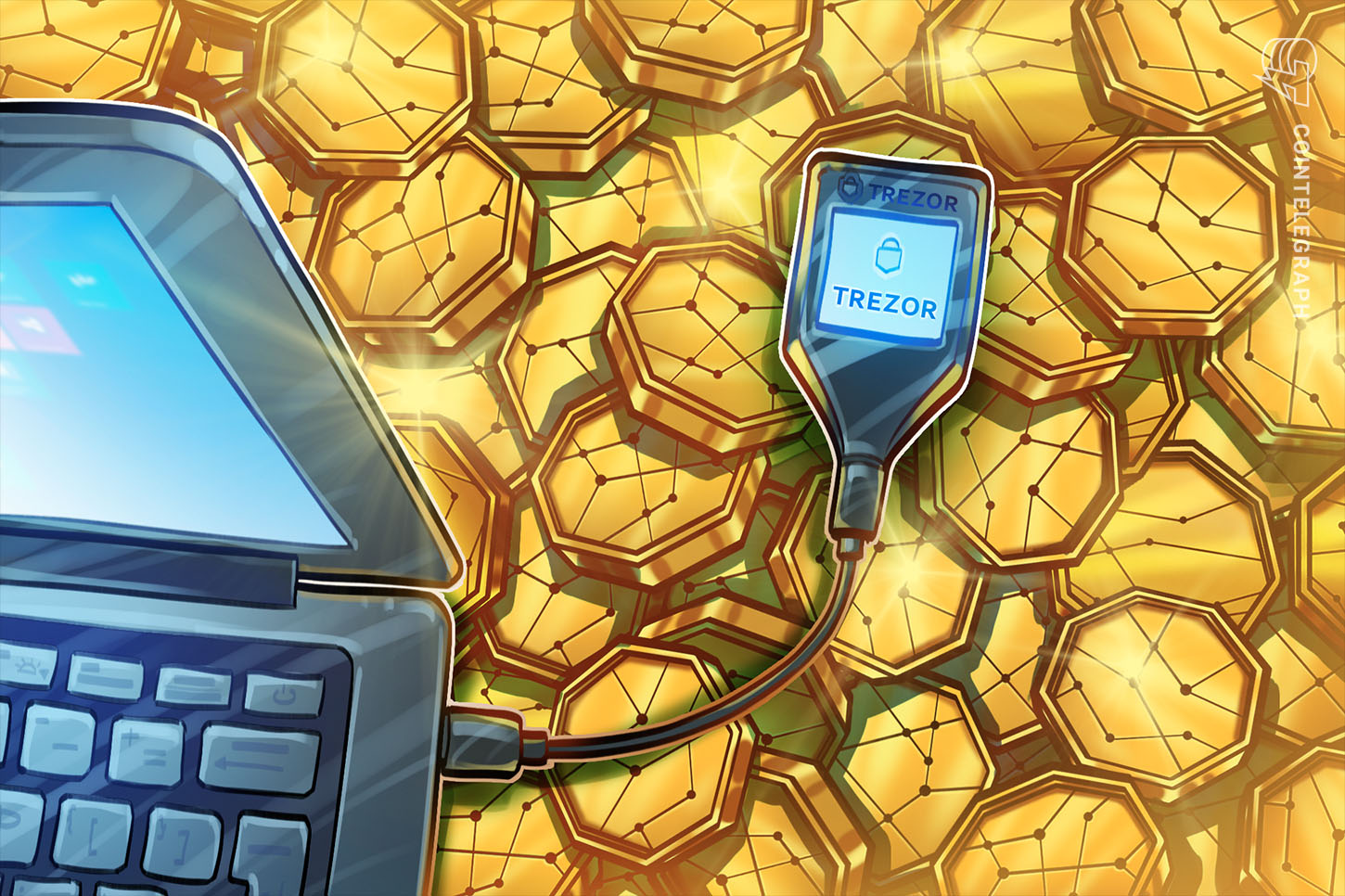
Hardware wallet manufacturer Trezor has urged customers who purchased devices through Southeast Asian third-party reseller CryptoBilis since March to move their cryptocurrency to new wallets immediately. The company issued the precautionary advisory following a credible customer disclosure detailing a suspected hardware implant found inside a recently delivered device. Although the manufacturer emphasized that it has not confirmed any theft of assets, it advised immediate migration to prevent potential compromises.
The warning stems from a report submitted by an Indonesian customer who purchased a Trezor Safe 5 unit through the CryptoBilis storefront on Tokopedia in August. Upon inspecting the hardware, the buyer discovered an unauthorized circuit board covertly placed between the device's main motherboard and the screen display. The customer documented the anomaly and submitted technical findings directly to Trezor's security response team.
According to details shared in the disclosure, the clandestine implant featured an integrated cellular transmission chip and an internal antenna. This configuration could theoretically capture sensitive visual information displayed on the screen during the initial configuration process. Most critically, an active cellular component could intercept recovery seed phrases and broadcast them across mobile networks as soon as the wallet receives power.
Trezor emphasized that its engineering team has not yet completed a physical forensic analysis of the specific device in its secure testing laboratories. However, because the structural modifications closely matched known attack methodologies, company officials deemed the report sufficiently credible to warrant an immediate public alert. Out of an abundance of caution, Trezor expanded the scope of the advisory to cover any Trezor device sold through CryptoBilis from March onward.
The development comes on the heels of a parallel supply chain incident involving rival hardware wallet maker Ledger, which also involved products shipped by CryptoBilis. Earlier this month, Ledger confirmed that several of its devices sold through the regional distributor had been physically opened and outfitted with unauthorized implants. The back-to-back findings have focused sharp industry attention on vulnerabilities occurring within third-party logistics and regional retail channels.
Trezor formally severed ties with CryptoBilis in October immediately following Ledger's disclosures regarding compromised inventory. Company representatives stressed that the breach did not originate within Trezor's primary manufacturing plants or direct fulfillment pipelines. Instead, investigators suspect that malicious actors intercepted and modified sealed inventory while it was held in regional warehouse facilities prior to retail dispatch.
Physical supply chain tampering represents one of the most severe threat vectors facing the self-custody cryptocurrency ecosystem. Hardware wallets derive their security value from keeping cryptographic keys entirely isolated from internet connectivity and remote attack surfaces. By introducing covert cellular radios directly into device enclosures, attackers attempt to circumvent the cold storage barrier without triggering standard firmware alerts.
Trezor instructed all affected owners to generate a fresh recovery seed phrase on an untampered device and migrate their token balances without delay. The company sternly warned users never to import an existing recovery phrase from a suspect CryptoBilis unit into any other hardware or software wallet. Re-entering a compromised seed phrase elsewhere would defeat the migration process and leave assets exposed to unauthorized withdrawals.
The manufacturer has asked affected customers to safely preserve their suspect devices and contact official support channels to arrange for free replacement hardware. Trezor also stated that it is collaborating with international law enforcement and regional retail platforms to trace the source of the physical tampering. The breach is expected to prompt cryptocurrency storage vendors to implement more robust cryptographic packaging seals and stricter physical custody oversight across global distribution networks.
Primary source: CoinTelegraph. Newzly rewrites and structures source reporting for clarity; verify critical details at the original.